Scary Folk

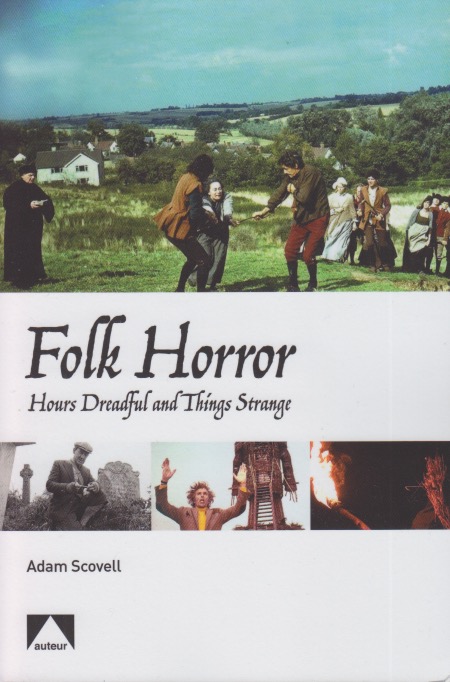
Genre is a useful category.  It can be misused, however.  Straightjacketing a piece of literature, music, or film can lead not only to confusion, but to constraining creativity itself.  Nevertheless, the category of Folk Horror is certainly expansive enough for a book-length treatment, such as Adam Scovell has given it.  Unless you’ve read quite a bit about the subject you might wonder what folk horror is.  A good part of Scovell’s work is definitional—providing the reader to an answer to that very question.   Although it has earlier roots, folk horror was initially a British genre that became particularly noticeable in the late sixties and early seventies.  It comprised movies and television programs that dwell on specific aspects of the landscape—particularly the rural—and isolation within it.

What I find particularly compelling about folk horror is that it is often based on religion.  In the countryside you encounter people who think differently about things.  Believe differently.  Their convictions are enforced upon the stranger who may be there by design or by accident.  Ironically the genre largely emerged in a nation that prides itself for its role in civilized behavior.  It speaks volumes about belief.  Civilization has produced more refined strains of religion, but on its own religion will tend to grow wild, even as the weeds in your yard are distantly related to the cereal grains we cultivate.  Examples of this are everywhere.  Fans of horror can name them off, but even those who don’t care for the genre know the kinds of belief this indicates.

Not all folk horror is about religion, of course.  It can be rural ways in general.  No matter how you classify it, most people can identify Deliverance and the danger it implies about being far from civilization where those who live in the woods can do as they please.  Scovell delves into the urban settings of folk horror as well—most of his examples are British—because it is possible to hide in the city also.  Although the genre reached a high point in the 1970s, it didn’t die out.  The book ends with consideration of some more modern examples, such as Robert Eggers’ The Witch.  The problem, as those of us who write about film know, is that just because you’ve written a book it doesn’t mean future examples won’t change the picture.  The Lighthouse and Midsommar were both released in 2019, after the book was published.  And they demonstrate that the scary folk haven’t gone away.

Heavens below!

Sometimes I miss Ancient West Asian/Near Eastern studies.  I spent a good number of years in that academic field and now that I’m out of it my work is starting to get noticed.  Horror, it seems, helps make sense of things.  In any case, I recently saw a piece on the Agade listserv about the ancient Greek afterlife.  In it Patricia Claus ponders how although the Greeks had Hades in charge of “Hell” (which wasn’t really Hell), there is no god in charge of Elysium, or paradise.  I hadn’t really thought of that before.  Heaven in the sky is originally a Zoroastrian idea, and even then it was really on a very high mountain.  Christianity made it the home of its one God and the place where the faithful end up.

Elysium was where blessed Greeks spent eternity.  Nobody seems to have been in charge.  Would gods have interfered with paradise?  This was a new idea.  Gods, in the ancient imagination, made the rules because they were more powerful than us.  Human social and ethical norms projected on high.  Would humans in paradise act any differently if there were no gods to police them?  Perhaps the most disturbing thing about some strict Christians is that they say if God hadn’t prohibited things we’d all be doing nasty stuff to each other all the time.  I often wonder if that says something about their psychological makeup.  Whether there’s a God or not I wouldn’t want to hurt anyone else.  I think those with a high moral standard might keep those with a low one (e.g. Republicans) in check.

The afterlife has perhaps disproportionately affected how we think.  Life is decidedly not fair.  There are plenty of selfish people who prosper, especially with a capitalistic system.  Many good people suffer and, I suspect, Heaven is a consolation to them for making through a world set against them.  They’re already good, do they need a God to keep them that way?  Some strains of Christianity decided people were innately wicked.  Again, I have to wonder what this says about the Augustines and Calvins and others who could see no good in what they believed God created and declared “very good.”  Their punishing God offers the consolation prize of a Heaven for those who put up with all the strictures imposed by that very deity.  The Greeks, it seems, had a very different idea of the blessed fields.  The heavenly hall-pass was not required.

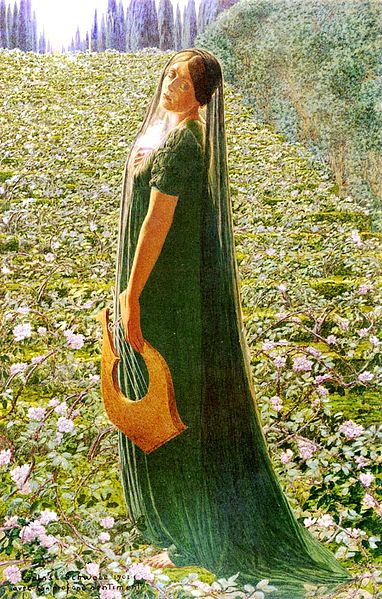
Carlos Schwabe, Elysian Fields, via Wikimedia Commons

Last Baptist?

The Southern Baptist Convention is the largest Protestant denomination in the United States.  It’s the core of a powerful voting bloc that gave electoral (but not popular) victory to Donald Trump.  It’s also the location of an attempted takeover by a fascist faction that wants to make Christianity the most oppressive religion in the history of the world (moreso than it has already been).  This past week the Convention narrowly avoided this by electing a moderate president for the year.  The struggle was real and the consequences very deep.  The true cost of Trump’s presidency will continue to emerge for years to come.  Permission was given for extremists to be vocal and validated and bad behavior was relabeled as “Christian.”

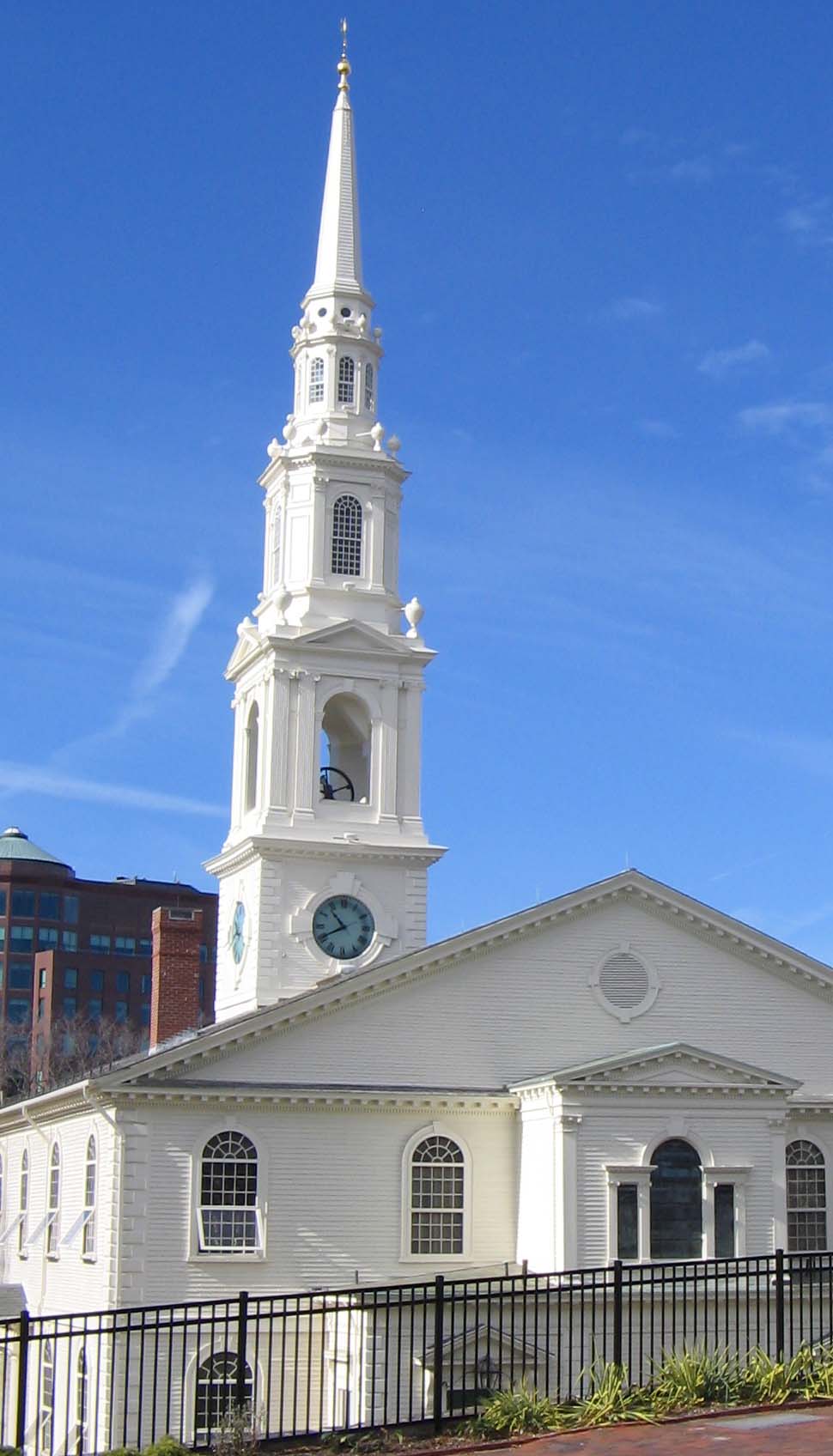
Roger Williams’ first Baptist church (in the country)

We, as a society, have a bad habit of ignoring things we don’t believe in.  Just because many educated people have come to see the lie behind much of what “Christians” say, they assume they don’t need to pay attention to them.  Years of ignoring the insidious actions of many conservative Christian groups has led us to a political precipice where many months after the fact some people who can’t count still believe 232 is greater than 306.  While some may wonder how we’ve come to this point the answer is obvious—there are groups of “Christians,” organized and well funded, who’ve been active in politics for many decades.  The Southern Baptist Convention wanted, in some sectors, to make that official.  They wished to be Trump’s own party.  They wanted white supremacy to be the norm, women to be chattels of men, and those whose sexuality differs to be criminals.  And they nearly won.

We ignore religion at our peril.  A recent study by the British Academy has shown that in the United Kingdom the study of religion is in decline.  I know of no similar study this side of the Atlantic, but anecdotal evidence suggests the same, if not worse here.  Those who study religion from within other disciplines such as sociology, history, or psychology, don’t really address the question of what religion truly is.  People experience religion as extremely urgent.  Misguided leaders instruct them that their version of God has endorsed the very tactics the Bible itself excoriates.  When the largest Protestant denomination is nearly taken over by political extremists, we should be paying attention.  A troubling template was, despite the majority vote, forced upon us in 2016.  So much so that it feels like it was a decade ago and we suffered from it for longer than we have.  And the kettle is still boiling, only this time those dancing about it claim to be Christian.


Celebrate Freedom

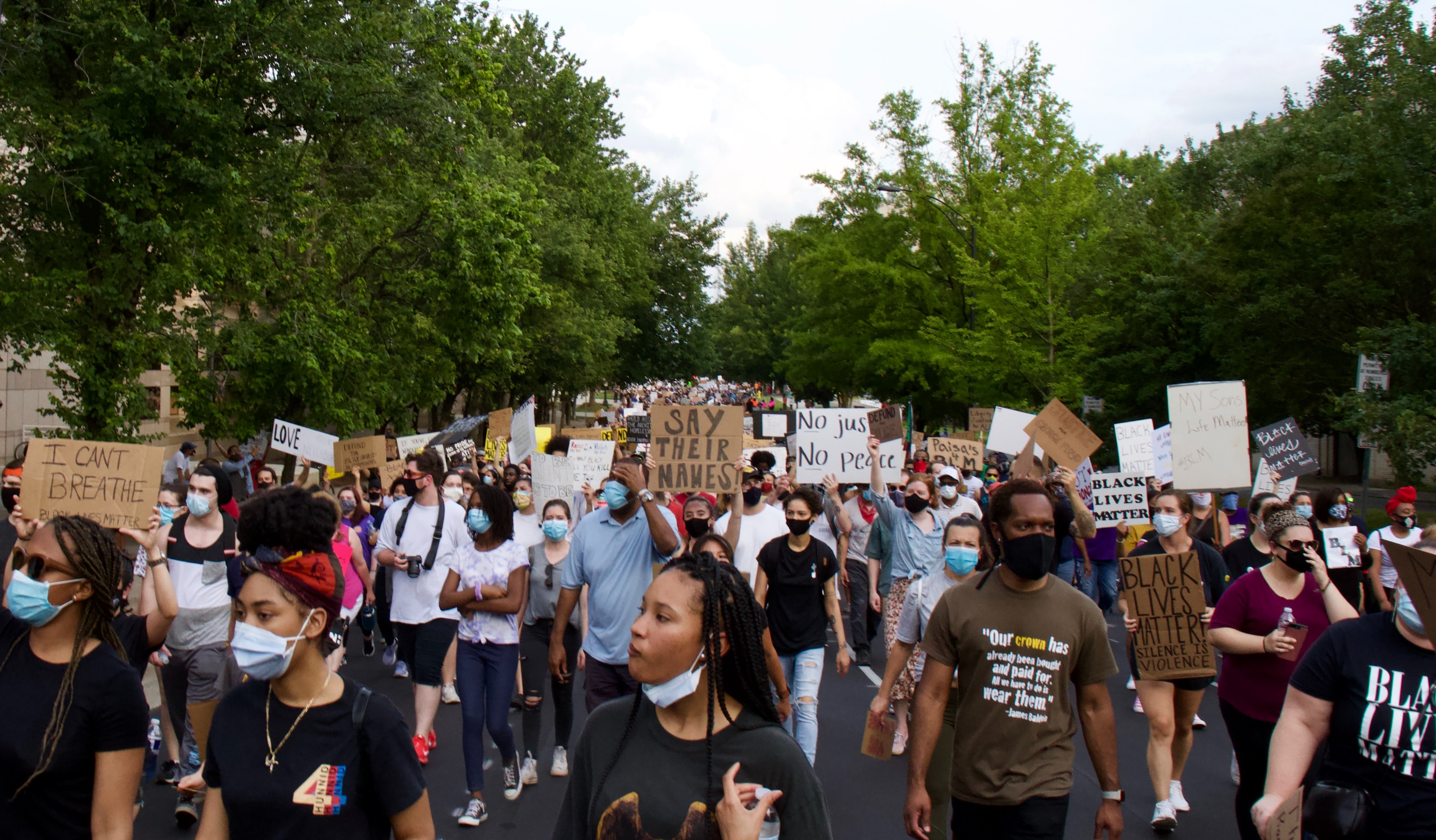
Perspective.  The most valuable thing I learned growing up was to try to see things from the perspective of others.  It’s the basis of sharing and empathy and kindness.  It’s what makes us human.  Juneteenth celebrates a Black holiday, but it applies to us all.  Today (actually tomorrow) commemorates the day when slavery was ended in Texas.  As much as southern states sometimes like to posture, all but the most frightfully unenlightened know that slavery is wrong.  The exploitation of others because we have the power to do so is the very embodiment of evil.  There’s no need for a devil if human beings can do this all by themselves.  Black lives do matter.  We need to stop countering this with “all lives matter” because until we acknowledge systemic racism such responses only serve to perpetuate the problem.

The history of the Christian (and yes, religion fueled and still fuels it) European domination of the world is a long, sad, and unethical one.  Blacks, because they’re often so easily visually identified, have borne the brunt of this domination.  In many ways this continues to be the case even today.  Red lining still exists.  Discrimination still exists.  Blacks are more likely to be imprisoned than others.  Poorly trained police are more likely to shoot and kill them.  This must change if society is to improve at all.  Congress has just passed a bill making Juneteenth a national holiday.  This gives the lie to the posturing of many of our elected officials.  This shows how deep Trump’s lies went.

More socially conscious employers made today a paid holiday in support of Juneteenth, even before the senate passed the bill.  We need to admit that we’ve been wrong.  We need to admit that special interests have kept us from seeing what should’ve been as obvious as the color of our own skin.  We’ve tried to keep slavery going.  We’ve made life hard for those easily identified as not “white.”  I have to wonder if this situation would’ve ever developed had we grown the more accurate habit of calling some people pink and others brown.  “White” was chosen for its theological implications.  Make no mistake, this was a carefully constructed divide.  Those who initiated the terminology—pink men, all of them—used their Christianity to demean, debase, and degrade other human beings.  Juneteenth celebrates one small step in what is necessarily a long journey.  We need to undo systemic racism.  We need to learn to say Black Lives Matter and we need to live it.

Photo by Leslie Cross on Unsplash

Conflicting Kingdoms

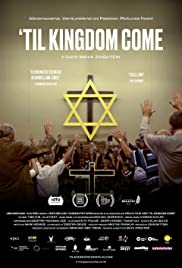
There is reason to be afraid.  Yes, I watch horror but the reason I suggest being afraid is because of a documentary titled ’Til Kingdom Come.  Directed by Maya Zinshtein, the film examines Christian evangelical support for Israel.  Primarily set in Binghamton, Kentucky, the interviews indicate a number of frightening implications.  One, that support for Jews is based on a “convert or die” model.  These evangelicals have the end times mapped out and believe the Bible is a fortune-telling book par excellence.  This doesn’t surprise me since I grew up with some of those very same charts and timelines.  It doesn’t surprise, but it scares.  These true believers never reflect or question their beliefs and this leads them to an emotional coldness that is antithetical to the sympathy Jesus preached.

A second fear factor here is just how organized and just how good at raising money the various Israeli lobbies are.  When evangelicals are elected to congress, these groups have open doors in Washington.  Those shown in the documentary are unfailing in their flattery of Trump.  The Jewish groups are clearly using the Christians to push and anti-Palestinian agenda while the evangelicals, for their part, are using the Jews to force God’s hand in sending Jesus back to end the world.  Under the Trump administration we were nearly pushed to the brink by elected officials who fervently pray for the end of the world.  This should keep any sane person up at night.

The beliefs of these evangelical groups have evolved to the point of not being recognizable as anything Jesus taught.  The conservative social agenda has been mistaken for the Gospel and these groups despise anyone who approaches the Bible to learn what it actually says.  Again, having grown up with this viewpoint none of it comes as a surprise.  I know it’s possible for people to grow out of it.  Watching overweight televangelists stirring up massive crowds to donate to a gospel of hate is nevertheless troubling.  Early on one of the pastors admits that they indoctrinate their children.  He sees no problem with that, although he seems embarrassed to have been caught saying it on film.  One lone mainline pastor, a Palestinian resident of Bethlehem, speaks out against this distortion of the Christian message.  One of the evangelicals walks away from a conversation with him and his heartfelt sympathy for his fellow Palestinians only to say the pastor’s theology is anti-Semitic.  ’Til Kingdom Come is a disturbing documentary.  I think I’ll watch a horror film to calm down.


Electronic Ritual

Religion and horror go naturally together.  Perhaps that’s something I instinctively knew as a child, or perhaps it’s something only mature eyes see.  It’s clearly true, however.  While reading about The Wicker Man lately I felt compelled to read David Pinner’s 1967 novel Ritual, upon which the movie is loosely based.  In many cases it is better to read the book before seeing the film.  In other cases the movie ends up being the superior project.  I had to keep on reminding myself as I read the novel that it couldn’t be measured against a superior vision of what it could have been.  Having written seven novels myself (all unpublished) I hope that I have a sense of the process.  Unless you’re into the commercial side of things you don’t write for the movie potential—you have a story to share and this is your way of telling it.

The novel isn’t bad.  It’s written in a punchy style that I don’t really enjoy, but the story drew me in.  It almost wasn’t to be.  Like many novels of this era, print copies are difficult to find.  Those available on used book websites, or even on Amazon, probably because of rights agreements, sell for over $200.  That’s a bit much, considering that over two dollars per page is excessive for a novel.  I finally had to cave and get a Kindle version.  I don’t have a Kindle, but I have the software on my computer.  Reading it again reminded me of how superior a print book is to an electronic one.  Reading ebooks tends to be faster but like eating snack food, doesn’t really satisfy you.  

At one point the navigation function stopped.  Confused, I couldn’t go any further in the story and wondered if I’d reached a sudden but unexpected end.  With a physical book I could’ve paged ahead to find out.  In this case, with the controls frozen with that obdurate computer attitude, I had to find another way to make the illusion of reading continue.  I eventually got it going again after clicking here and there, but reminded myself again that ebooks should only be the last resort.  As for the story itself, it was okay.  I read it as a parable about intolerant religion.  I’m not sure it was intended that way, but it certainly seems like a reasonable interpretation.  It ends differently than the movie does, so I won’t put any spoilers here in case you decide to spring $200 to get a used copy.


Pagan Perspective

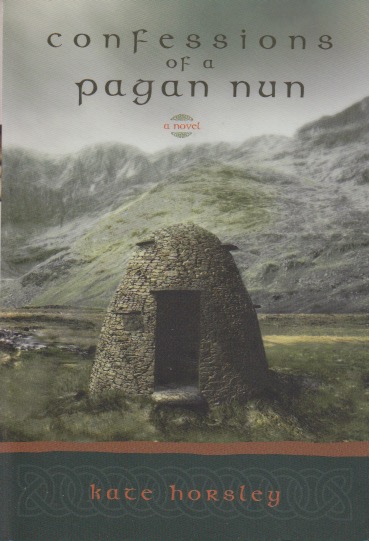
“I would live in a world of Christ-like humans, but not one full of Christians.”  So Kate Horsley’s protagonist Gwynneve writes in Confessions of a Pagan Nun.  This novel is an attempt to envision what life would’ve been like for a woman in medieval Ireland when Christianity came to the land.  Gwynneve is a spiritual seeker who comes to be a nun when it’s clear that this new religion has taken over the old ways.  Learning to write, she transcribes her story after hours in her clochan, or cell.  She recognizes that Christianity has brought good things to Ireland, but at a high cost.  The disparity between rich and poor increases, women are denigrated so that men can run things, and the land is ravaged for the benefit of their new way of living.

The novelty of the idea caught my attention when a friend pointed the book out to me.  I was a bit surprised to see that Shambhala, generally a nonfiction Buddhist press, had published the novel.  Since this is a story designed to make the reader think—it is contemplative, as a story from the point of view of a nun would likely be—the choice of publisher makes sense.  While it’s not likely that a book published there would make the New York Times bestseller list, as an erstwhile writer myself I can attest that novels outside the usual pale have great difficulty in getting mainstream publishers interested.  This too is a matter for contemplation.

One of the main themes of the story seems to be how a worshipper of the goddess Brigit has to become a devotee of St. Brigit when the church made the gods into saints.  This is something that happened historically as well as in novels.  Aware that it was easier to persuade individuals to convert to a new religion if they didn’t have to give up their gods, this seemed a small accommodation to make.  Horsley is not wrong, however, in pointing out that Christianity was not a free ride.  More than a religion, it was (and is) a powerful means for social control.  The vision it offers tends to benefit men over women, the wealthy over the poor, the powerful over the weak.  Despite what the Bible emphasizes, religion has its own conversion experience when it tastes power.  Confessions of a Pagan Nun is a story intended to shift perspectives.  The open reader will learn from contemplating its message.


Watching The Witch

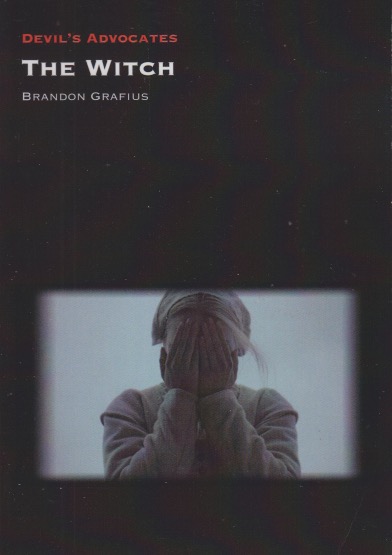
Good things often come in small packages.  I’ve read a couple of Brandon Grafius’ books before, and I’ve had The Witch on my reading list since I found out about it.  This is one of those books that benefits from knowing the raison d’être of the series of which it’s a part.  Devil’s Advocates is published by Auteur Publishing as a set of brief books on specific horror films.  If I didn’t have other financial obligations I could see myself purchasing the entire series.  Fortunately this volume was on a film I’ve seen (horror films have become so prolific that I can’t afford to see all of those I’d like either).  The Witch is a provocative movie, having gained critical acclaim as well as box office success.  It’s also a complex film.

Grafius ably takes us through the Puritan background that’s necessary to understand the social, and familial tensions that make this movie work.  Robert Eggers is a director known for his meticulous attention to period detail.  Even while weaving the fantastic into his stories, the plots are entirely believable.  Grafius has a solid grasp on how religion and horror interact.  That’s on full display here.  Looking at The Witch as an exploration of folk horror, he illustrates the importance of the landscape to the tale as well as how isolation sets a family off against one another.  The Puritan religion creates a monster, as it were.  Grafius doesn’t shy away from the misogyny behind the developing idea of the witch, either.  His explanations of—not excuses for—it are insightful.

Granted, horror films aren’t everyone’s cup of tea.  Or coffee.  As I sensed when writing Holy Horror, fans of the genre enjoy reading about it.  I often wonder why those of us who watch it do so.  In my case, in any way, it feels like a compulsion.  It’s a coping technique and perhaps an antidote to the headlines.  Horror can be an intensely creative and socially aware genre.  The best of it critiques the flaws of society.  As Grafius points out, Thomasin only wants to be a good girl.  The Puritan society into which she was born projects the image of the witch upon her.  Eggers gives us a real witch in the woods, of course.  Grafius explains how this becomes the aspiration of a young woman who’s only trying to do what’s right.  I have a feeling I’ll be going back to the Devil’s Advocates series again.


The Unholy Trio

Culture has a powerful prophylactic component.  People don’t want to be seen questioning authority and accepted “truths.”  This is especially the case as they grow out of their teenage years and learn to fit in as part of the herd.  Some subjects make this particularly clear because cultural biases deride them, never giving them a fair chance at consideration.  I’ve run into a number of these over the years, but an example will bring these abstractions to clarity.  Recently a commentor sent me to the video “Kaneh Bosm: The Hidden Story of Cannabis in the Old Testament.”  The idea is one I’ve addressed before—that cannabis was used in incense combinations in the biblical world.  Now, I haven’t done research on this, but what becomes clear is that many scholars over the years have dismissed the idea out of hand because, well, it invokes pot.

The reason marijuana—something I’ve never used and have no desire to try personally—has been demonized is one of considerable interest.  This is especially the case since it appears to have been widely used in antiquity.  No respectable biblical scholar, however, would be caught suggesting that it might have been incorporated in the rites of ancient Israel.  The modern stigma of cannabis, in other words, discounts the possibilities that in ancient times it was used in sacred contexts.  The “war on drugs” in the United States was largely led by religious conviction.  The heirs of Christian prohibition.  Sure, some drugs can lead to real problems.  The deeper issue, however, is that society’s structure leads people to the place where drugs seem to be the only answer.  The civilized response?  Make them illegal.

That mark against controlled substances colors our view of history.  If such things are illegal now then they must never have been used.  Chemical analysis of various utensils (what might be called “paraphernalia” today, indicates that ancients knew of and used cannabis.  Our ordered view of ancient Israel as receiving the one true and utterly sacred faith preclude the possibility that our demonized substance could’ve been used in ancient times.  I’ve noticed this with the other topic of the documentary—Asherah.  Conservative scholarship still denies that ancients might’ve thought Yahweh had a spouse.  (My own work does not deny this, but simply questions the nature of the evidence; I think it is likely people believed Yahweh had a consort.)  So we once again collide with a “no go” topic.  So, after we admit the possibility of drugs and sex, so the thinking goes, what we we find next—ancient rock-n-roll? 


Shunned

Belonging is important for our species.  As much as some of us may be introverts, we still need other people.  Given the wide divisions of human interests and activities, one way people have traditionally come to know one another is through religious organizations.  Let’s face it, getting to know your neighbors can be dicey.  People from work may not be those you want to spend off-hours with.  Joining an organization is a great way to get to know people and, if you’re seeking like-minded friends a religion has been a time-honored way to find them.  Of course, many religions are now becoming as polarized as our society, but even despite that one religious practice seems especially insidious—shunning.

Shunning has been used in Christianity from the beginning.  One of the real issues, verging on torture, is when someone is raised in a tradition and has made all their friends in it.  Many sects encourage this, some overtly, other less so.  Those within the fold will not, it is emphasized, lead you astray.  If you are shunned, then, you lose not only your welcome at social gatherings or worship, you also lose your friends.  For separatist sects—consider the Amish, for one example—integrating into another society is extremely difficult.  You were raised to live one way and how would the shunned even begin to know how to live like other people?  This applies not only to small sects; being part of the group is a major draw for everyone from Catholics to members of an evangelical mega-church.  It’s a means of having a community.

Moving accounts exist of Mormons or other believers being excommunicated or disfellowshiped.  The world they knew is gone.  Religions create community and the lost of that community is a cruel punishment to invoke.  Particularly since the offenses that lead to such exclusion are often doctrinal—matters of personal belief.  People are naturally curious, and the desire to learn more frequently leads into uncharted territory.  Some traditions will then invoke sacred texts—more specifically a certain interpretation of sacred texts—to justify the exclusion of the curious.  Those texts, however, are interpreted by other fallible human beings.  Still, the fact that religions continue to use shunning (call it excommunication or any other name) is an indication of the inherent cruelty that religions can express.  What could be more hurtful, especially among those who separate themselves from the world, than to throw them out of the only enclave that they know?


Just Justice

Like many people raised to believe in democracy, I’m distressed to see that the right wing, worldwide, has taken to a full-on attack against it in an effort to keep power.  In the United States Republicans that stood up against the cult of Trump (who was no architect, but a figurehead only) are now being run out of Dodge by their own party.  Meanwhile a friend in Britain sent me an article about the open and obvious corruption of Boris Johnson and how the Tories are completely overlooking it in an effort to keep “democratic authority.”  It wouldn’t be so bad if the right wing came right out and said “we want to run things, no matter what it takes,” but instead they appeal to religious ideas and try to make it seem like their side alone appeals to “justice” while doing the exact opposite.  Paging Mr. Orwell…

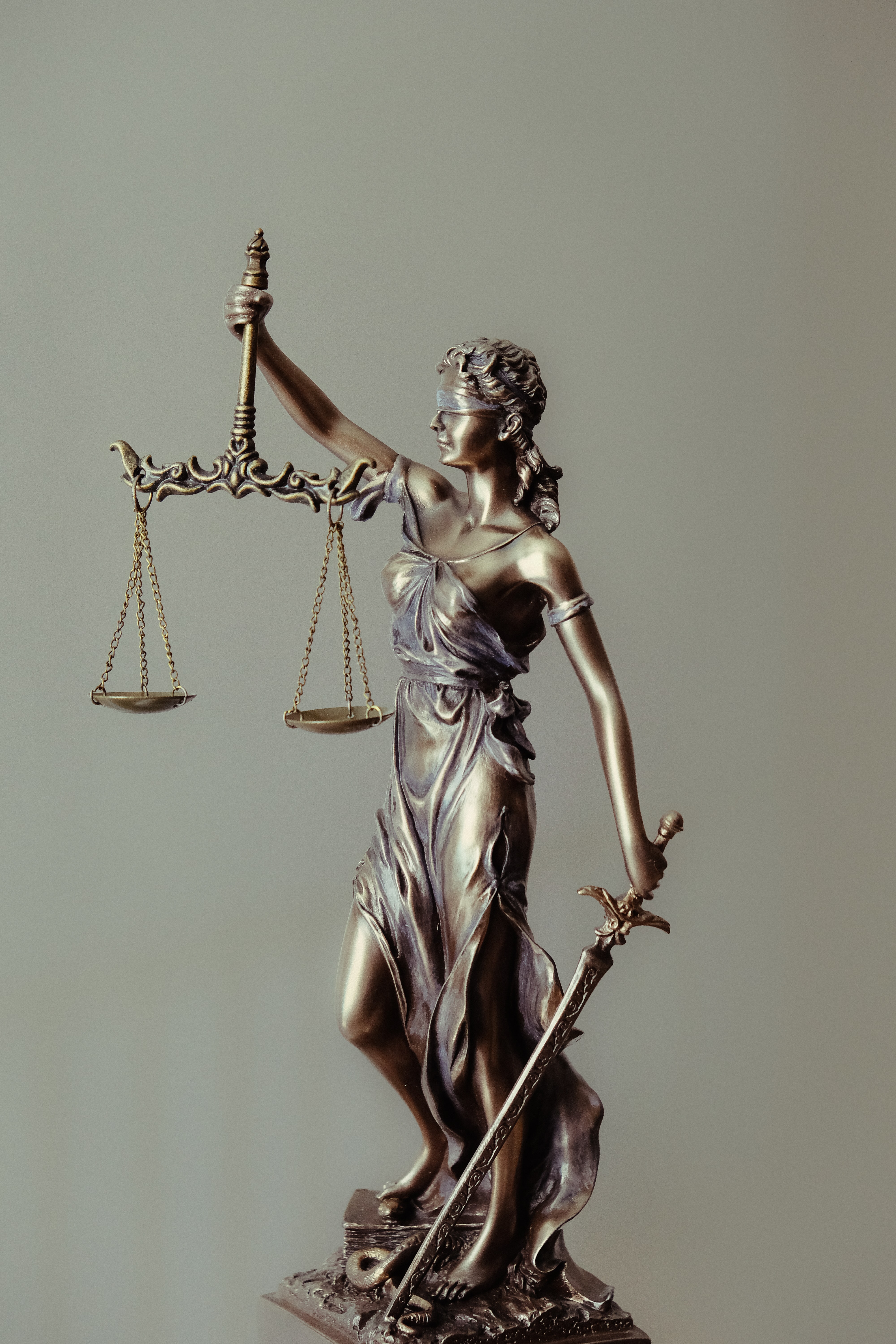
The best test case is Jesus.  Have you noticed how Jesus has fallen out of right-wing Christianity?  Apart from occasionally taking his name in vain, the principles they stand for generally go against the core teachings of the Gospels.  The fascism of the right wing has taken what good there was in Christianity and jettisoned the kernel to keep the shell.  It’s like a bag of pistachios where all the nuts have been discarded, leaving only the hard casings behind.  The really sad thing is that both in the US and in Britain, these power-mongers are in the minority.  They use political loop-holes to make their strong-arm tactics look like the will of the people.  Things like restricting voting access, made possible by courtroom politics.  Isn’t Justice supposed to be blindfolded?

We know for a fact that many of these same people are fully cognizant that fascism led to World War II.  They know Hitler used the same tactics to gain power.  They know that millions and millions of people died.  And now they trumpet the one thing that brought this nation together—the recognition that fascism was evil—as the way of true Christianity.  I’m sometimes asked if I believe in demons, having written a book on the subject.  Demons are, if you look closely, are considered the source of evil in the world.  Quite often stories about them have them possessing good people by pretending to be something that they’re not.  Can demons take over entire political causes?  Did we not see naked evil in the Nazi regime?  How do we not recognize it now that it has taken root in one political party that has claimed the name of “Christian” while simultaneously discarding the teachings of Christ?


Women and Mothers

This is our first Mother’s Day with a female Vice President.  After four years of a female-groping administration, it feels like we’ve made a turn in the right direction.  Ironically, it’s often religions that keep women oppressed, even while women are often more faithful to them.  Religions like to claim to have the answers, and for the monotheistic traditions an origin myth with Eve—the first mother—as the first picker of forbidden fruit, has suggested one answer that has held women down for centuries.  Taking origin stories too literally can cause so much suffering in the world that we’re confronted with the question of their morality.  Religions are for people.  If they exclude half the human race we need to pause to ask if we got something wrong.  It’s Mother’s Day, always on a Sunday.  It’s a chance to think about such things.

Many churches will have sermons honoring mothers today.  Will they work for the wellbeing of women for the remaining 364 days of the year?  Our society, purely on the basis of biology, routinely puts women at risk and underplays the need to help them when that happens.  I’ve seen this firsthand.  We’re finally starting to get some female representation in Congress, yet less than a quarter of the seats are held by women.  Isn’t government supposed to represent its constituents?  Why has half of humanity had to struggle for so long to be treated as equal?  Mother’s Day cannot be a salve to ease our consciences about mistreating women for the rest of the year.  Equity should not be a goal, it should be reality.

We’ll be thinking about our mothers today.  Still under a pandemic, we’ll be Zooming them or calling them.  Those fortunate enough to live close may even get to see them in person.  These mothers sacrificed a lot to take on that role.  Our society could not continue without them.  We’re starting to come to the realization, I hope, that it is male-devised forms of government and business that are the problem.  They protect the wealth and power of a few.  They jealously guard against letting men offer the true justice of equity.  Some religions have begun to address the obvious injustice they have largely originated.  The story of the Garden of Eden was meant to teach a lesson.  That lesson has been abused for centuries as a way of making women seem somehow less than men.  It’s Mother’s Day.  Let’s see if we can’t learn to read more deeply and apply what we have learned.


Well Grounded

Earth Day feels like it’s actually Earth Day for the first time in four years.  Many of those with more common sense than gullibility know that we have only one planet.  Even as we have achieved flight on Mars, any hope of going elsewhere (and some of us would rather not) is many years away.  Earth is our home and we can live on our planet without destroying it.  Other animals also change the environment, of course.  The problem arises when one species becomes unchecked and begins changing things for their benefit only.  Or what they perceive as their benefit only.  Life evolved on this planet deeply integrated.  The more we study nature the more we see how interconnected it is.  Thinking ourselves special, we’ve placed a wall between humankind and everything else.  It’s an artificial wall.

If you read about nature you’ll be amazed.  Trees, perhaps the true heroes of this planet, make our life possible.  They couldn’t exist without the fungi that partner with their roots in a symbiotic relationship.  If there had been no trees our ancestors would’ve been easy prey to larger predators and would likely not have survived.  Large industrial corporations destroy trees as if they’re a nuisance.  They are our life.  Even as governments with “strong men” leaders destroy the forests in “their” countries, we are losing the very biodiversity that makes life possible on this planet.  There’s room for humans to get along here without destroying the environment that supports our very life.

One of the hidden motives in this scenario is a strange development within Christianity.  A literalism that would’ve shocked even old Augustine developed around the turn of the last century.  That literalism was used by corporations that saw the earth as a resource to be exploited and claimed that we, unlike animals, owned the planet.  If you own a home would you destroy it just because you could?  What good would it do?  No, this Earth Day let’s take the time to consider our religion and its implications sensibly.  The Bible does not advocate destroying what God created.  It may have been written too early to comprehend evolution, but that was never a problem for early theologians.  When fused with capitalism, however, this religion provided everything greedy businesses needed to exploit the planet for its own purposes—the god Mammon.  Just this week we flew our first flight on an inhospitable planet far away.  Today let’s think of how we might protect the only home we have under our feet. 


Herd Not Heard

When mass shootings become commonplace, you might think bipartisan efforts would be made to stem the violence.  If so, you misunderstand how little the pro-life party actually values life.  By pumping its adherents full of fear, they use the hand not waving a gun to pocket donations from the NRA.  Human life is only valuable to get yourself elected.  It’s difficult to remember days when I didn’t awake to hear of someone with more guns than restraint opening fire in a public place.  Mental illness, it seems to me, is fairly widespread.  It’s no deterrent, however, to purchasing military-grade weapons and using them when the stress levels get too high.  Meanwhile lives of those—whether fellow gun owners or not—are lost.  And Republicans argue that nothing should change.  You’d think the insurrection might’ve changed their view.

How does one go to bed secure knowing the next day they may be reading about another mass shooting?  Sure, the perpetrator will be caught, if not already dead, and families will be bereaved but we know our rights!  Funny how even the Bill of Rights can be prooftexted by those who do the same with the Good Book.  What is so hard to understand about “Thou shalt not kill”?  Coveting, however, and adultery, seem alive and negotiable, to gather by their support of 45.  Such selective reading generally turns deadly and constituencies become mere statistics.  What seems to be missing is a basic sense of social justice.  A social justice that applies to all.

The idea of wanting a country only for white men and their subservient wives is a relic that simply refuses to acknowledge that societies change.  We’ll never reach perfection, but that’s no excuse to stop trying.  Firearm regulation might be a rational place to start.  While party politics will get in the way of this the pools of blood will grow only deeper.  What seems to be missing is the acknowledgement that these are people we are losing to assuage one party’s ambitions.  Wouldn’t prioritizing education and providing mental health services be better?  Ah, but it might stop some of the wealthy from pocketing yet more money from those who are lined up against the wall.  Of course, you can be in the majority and still be gerrymandered into silence.  When the Gun Ownership Party begins saying aloud that it can’t win elections fairly, and makes noises about beginning to cull the herd, we should all be getting a little nervous.


Whale Tales

Photo by Richard Sagredo on Unsplash

Always I’m surprised when other people seem surprised, specifically about animal intelligence.  Then I have to remind myself that our culture has absorbed the biblical view that people are different so thoroughly that even scientists believe it.  I watch the birds out my window quite a lot.  What they do is intentional and often quite intelligent.  True, not all animals are college material, but they are far brighter than the “automaton” paradigm with which I grew up.  So when I saw a piece in The Guardian titled “Sperm whales in 19th century shared ship attack information” I kept the tab open until I could read it.  Then I woke up this morning wondering why one of my many open tabs had the header “Sperm” on it, only to remember that I was going to read about whales.

I’ve written about Moby-Dick many times on this blog.  Although Melville didn’t experience financial success with it, he managed to pen one of the most profound and memorable novels ever.  One of the things he stressed was the intelligence of the whaler’s prey.  The Guardian article describes how, due to the magic of digitized log books, researchers can now compare captains’ notes about whaling.  What this comparison makes clear is that whales shared the information about attacks and avoided the areas where they occurred.  Despite the massive size of their brains, researchers had supposed whales to be rather stupid—or automatons—simply waiting to get slaughtered.  Animal intelligence is visible anywhere as long as we’re not afraid of that bogeyman, “anthropomorphism.”

We’ve been taught that human beings are so special that we think other animals act like us only because we’re projecting onto them.  Since the Bible informs us that we’re special and they’re further down the food chain, we must assume that creatures who destroy their own planet believing that they’re serving the will of God are somehow smarter than animals living in harmony with their environment.  We’re so smart that we had to add an extra sapiens to Homo sapiens to show just how special we are.  I’ve long suspected that animals are far more intelligent than we allow them to be.  Philip Hoare’s article offers us yet more evidence that we’ve underestimated our non-sapiens companions time and again.  Ironically we can accept that evolution explains how life forms change over time, but we somehow can’t let go of the story that says we’re somehow different.  I think we need to get out more and simply watch how animals behave.