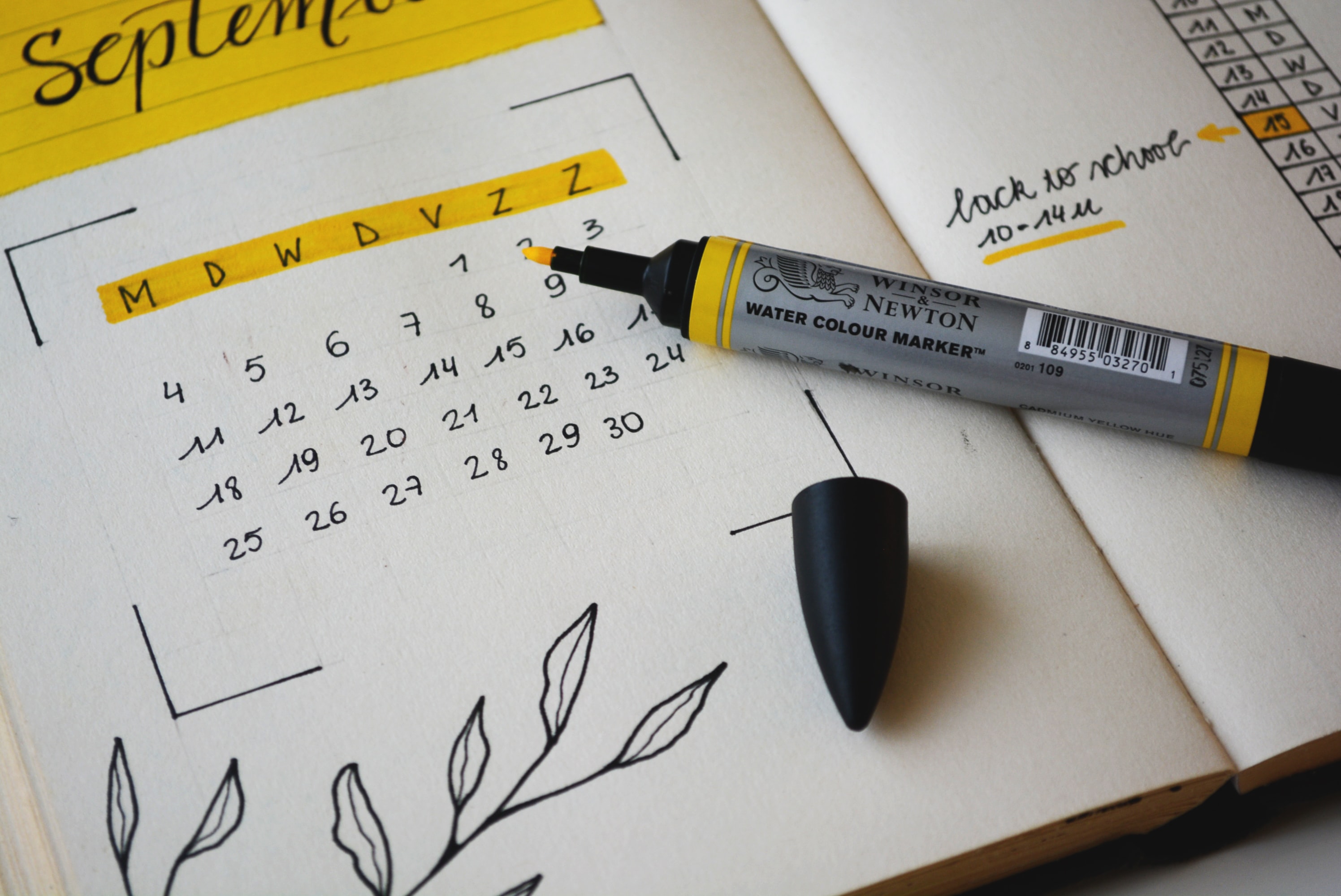
1 April

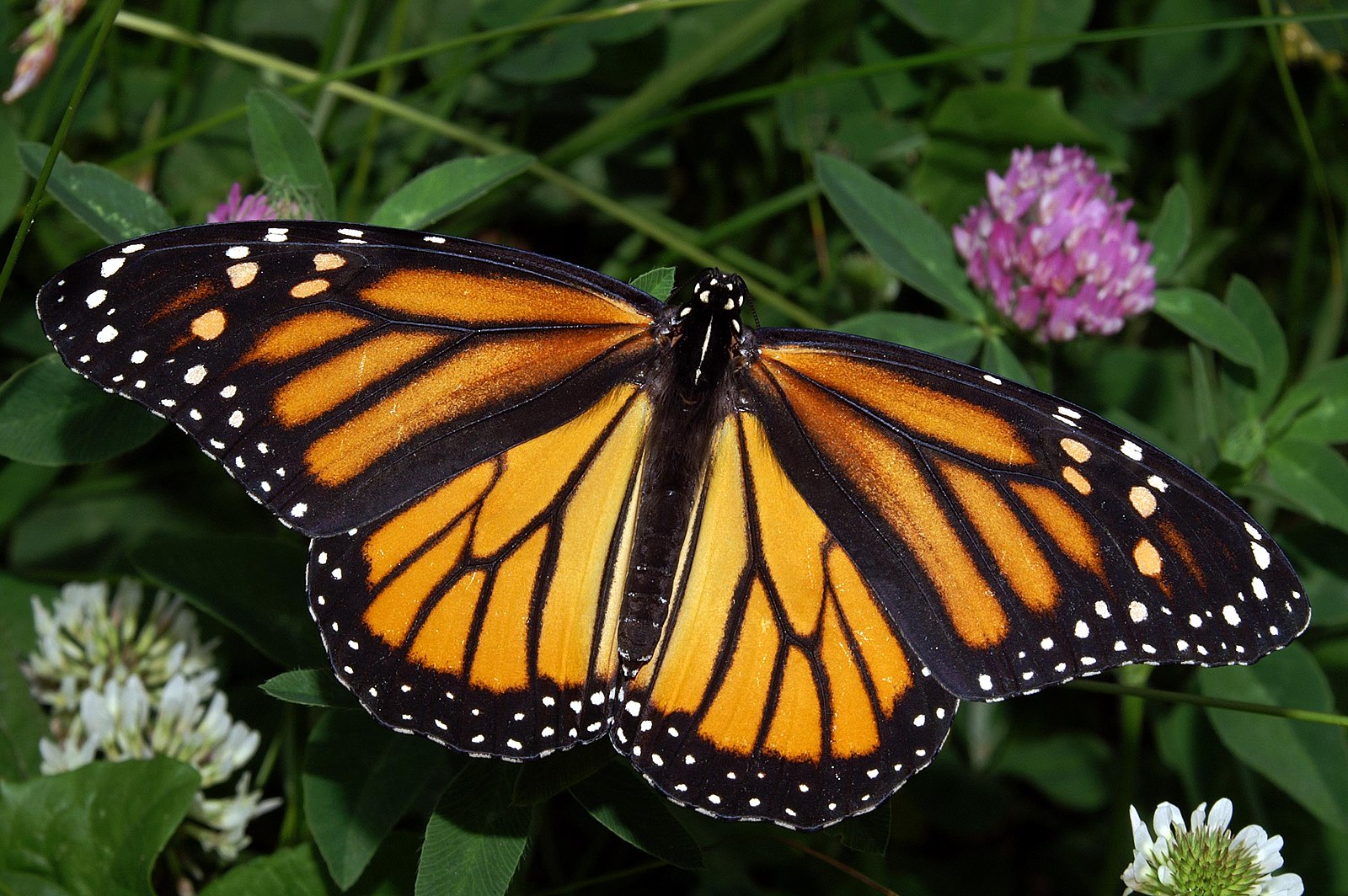
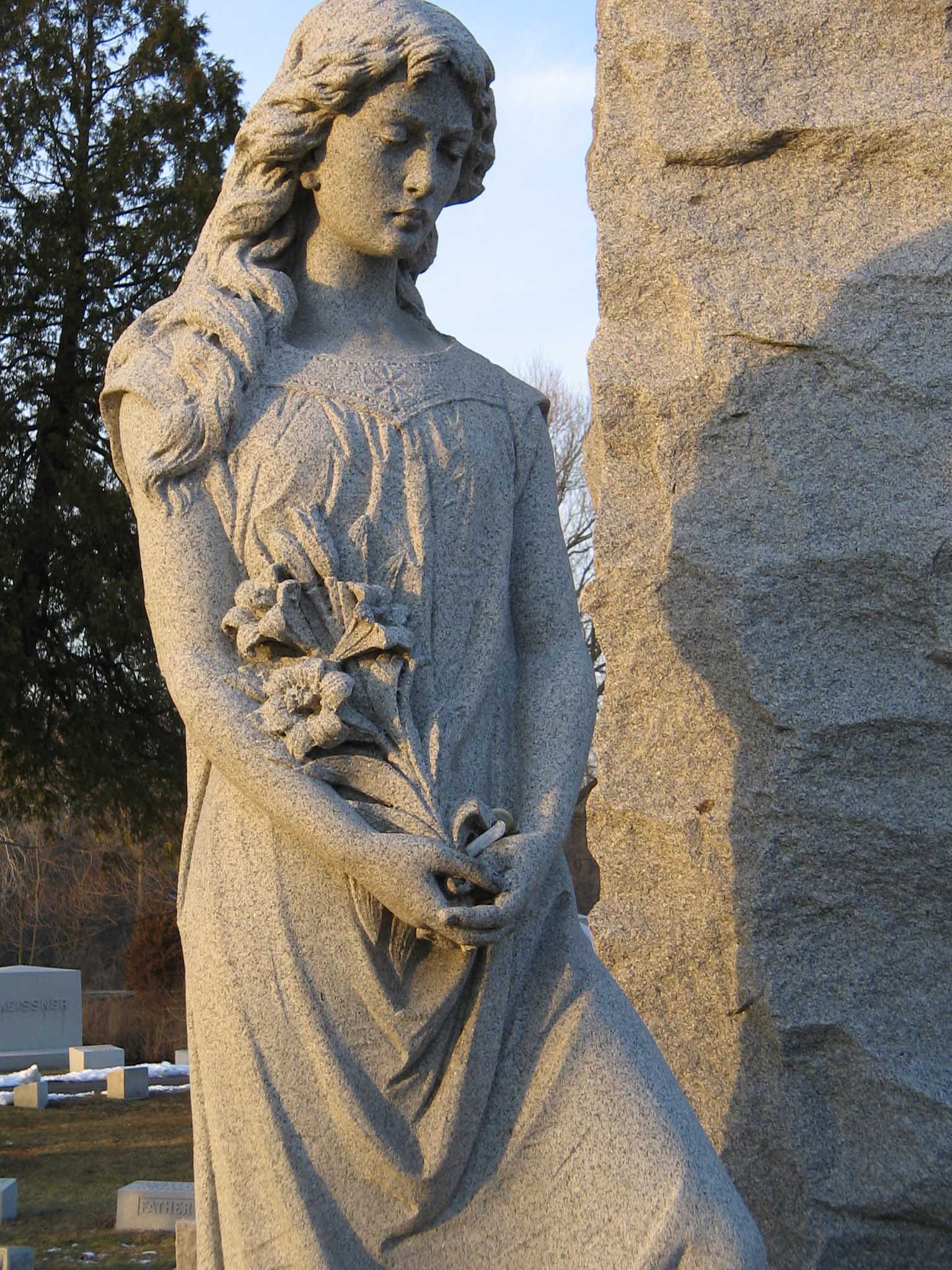
Image credit: Trocche100, public domain via Wikimedia Commons

The funny thing is nobody knows how it got started.  In living memory, and indeed back a century or two—even more—people have considered April 1 a day for jokes and fooling.  Perhaps it was a kind of relief after winter was finally beginning to show its tail, or perhaps it was some distortion of Hilaria, the Roman festival of the goddess Cybele.  Some have speculated that it had to do with switching from the Julian to the Gregorian calendar when many were confused as to what the actual date was.  No matter what its origins are, April Fools has stuck.  It has such resonance that even legislation passed on this date is sometimes questioned as to whether it is serious.  Some locations have grand pranks planned and budgeted.

Nobody, as noted, knows how this got started.  One of my personal favorites posits a biblical origin.  Things tend to go back to the Bible in western culture, don’t they?  This idea takes it all the way back to the tenth generation of the human race: Noah’s flood.  Back in the eighteenth century it was suggested that Noah sent out his first dove before the waters abated on April 1 (this, of course, is based on knowing the exact days of creation—something that was of considerable interest in the seventeenth and eighteenth centuries).  Since the dove was sent on a “fool’s errand”—there was no dry land visible—well, April fools!

With rare exceptions this isn’t a day off work.  It’s not a holiday with any religious implications, despite speculations about Noah and his dove.  It’s really a day highlighting uncertainty.  Practical jokes can, of course, be harmful.  There can be those, such as yours truly, who might be slow to catch on.  Indeed, almost always the victim of a “practical joke” doesn’t find him or herself in an appreciative mood.  I’ve always personally thought the reference was to the weather.  Snow isn’t unusual into mid-April in parts of the northern tier.  In fact received wisdom suggests not planting annuals until May arrives.  April’s weather, in other words, fools.  Around here we’ve whiplashed through March with days in the seventies and others the coldest of the winter (or so it seemed).  Now we’re into the first full month of spring.  The early flowers are out (some of which succumbed to the cold of this week’s weather) making fools of us all.  My hope is that none of us take this day’s unknown-origin holiday too seriously.


Going Green

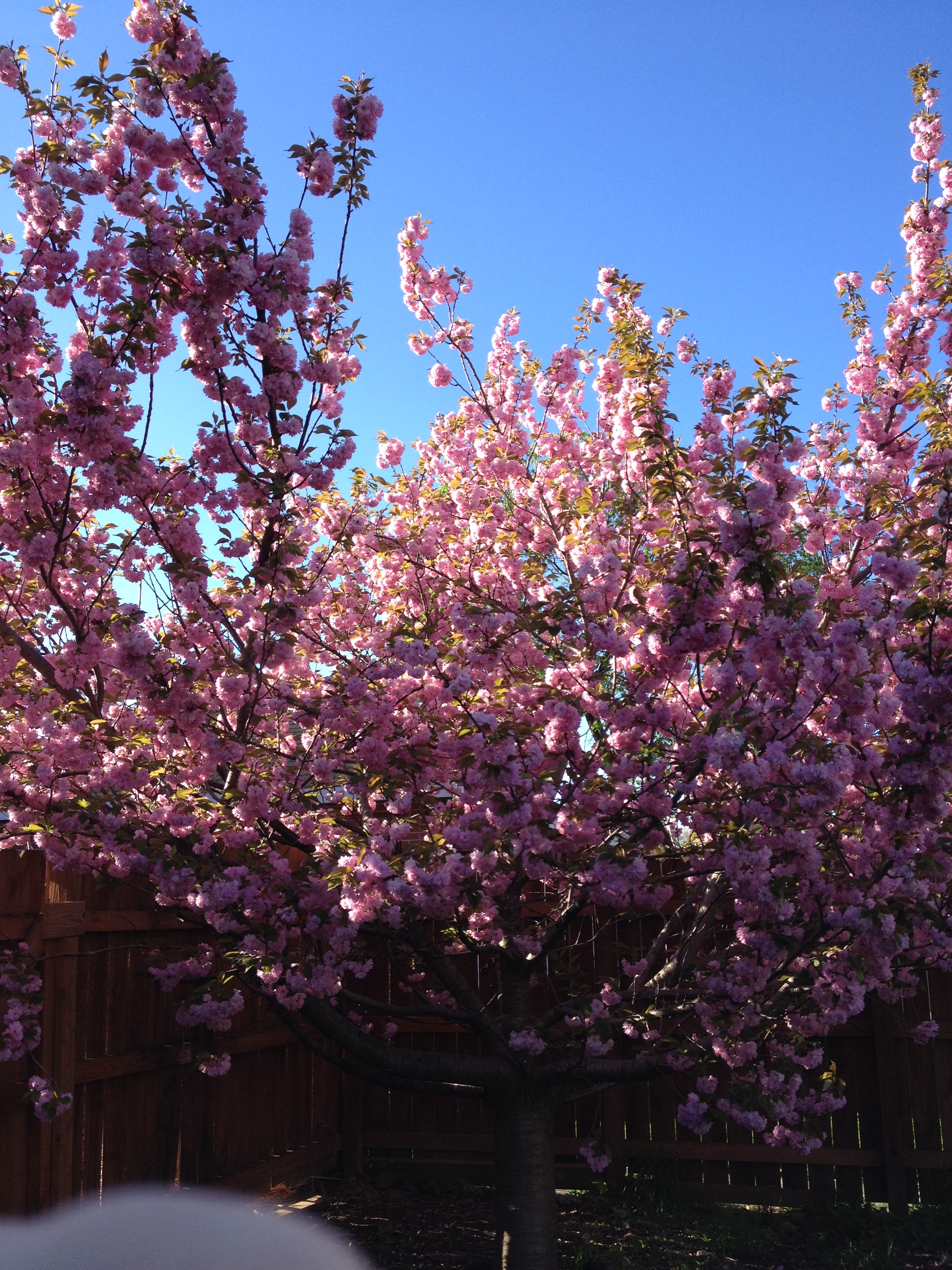
It’s easy to get eager at this point in the year.  A month and a half after Groundhog Day, we’re at St. Patrick’s, and just a few days from the equinox itself.  Around these parts we’ve had some warm weather after last weekend’s bomb cyclone and most of the snow is now gone.  We’re ready for progress.  We’re tired of winter and huddling indoors.  The crocuses are defiantly open although the warning saying in Wisconsin went “three snows on the crocuses.”  St. Patrick’s green is the fecund green of spring.  Although nobody gets them off from work, the seasonal holidays are signs of hope.  It doesn’t matter which season into which we’re transitioning, there’s beauty ahead.  It’s the kind of change many people enjoy.

Look closely at a flower.  (If the crocuses aren’t up yet in your area they will be soon.)  Open and inviting, it offers insects what they need in return for a bit of cross-pollination.  Yesterday I saw my first wasp looking for a place to build a nest on our house, reminding me to be careful opening doors now because no transition is completely smooth.  Spring is hope in season form.  As much as we may appreciate winter with its pristine chill, spring reminds us that food is soon to be available from the bosom of the earth itself.  The songbirds, now back in force, have been eagerly anticipating it.  They are the heralds of transition, the little winged messengers of assurance.

Photo credit: Andreas F. Borchert, Wikicommons

It’s time to step outside and breathe deeply.  The muddy smells of a thawing earth blend with the first fruity hints of buds beginning cautiously to open.  The transition’s not straightforward.  There will be setbacks and chills yet to come.  Nevertheless, the die is cast—St. Pat waves his clover as if to say “This is what lies ahead, as brown becomes green.” Our world tilts as it spins and brings us the delight of seasonal changes.  Saints and birds and flowers must agree on this, even should they differ on the details of what is needful.  It’s a day for celebration, even though it’s a Thursday, a work day with perhaps a respite—after hours of course—to have some fun.  Green is about to reappear.  We wear it today to encourage the timid plants, yes, we need hope.  We look around the world and know that hope is what we really all crave.  


Relinquishing Control

Controlling the weather is a dream as old as humanity itself.  Once when I was fervently praying for a rain-free day as a child, my mother pointed out that other people could be praying for rain.  I realized then that weather was a personalized preference and that, on some level, prayers cancel each other out.  Well, it’s Groundhog Day and we’re all wondering whether those who love winter and want more or those who are ready for spring will prevail.  For this we’ll rely on a woodchuck.  The observation of animals for signs of spring seems to have been a germanic practice, and it could also involve badgers (which I’ve never, ever seen in the wild) or bears as well as groundhogs.  The idea is that the majority are looking forward to spring when they can plant and grow food, hopefully enough to last through the next winter.  And so the cycle goes.

We hear a lot about January as a month of transitions.  It is, but so are they all.  February, both the dead of winter and start of spring, provides variety as we continue the cycle.  I’ve already seen my first robin of the year and I’ve been hearing sporadic bird song.  The mating season, after all, comes around the middle of the month.  According to some renditions of the Celtic calendar, Imbolc, which was yesterday, is the start of spring.  Celebrated with fires to encourage the light and warmth, we know that cold and snow and wind chill still lie ahead.  We are reminded, however, that this wheel is still turning.  Slowly, slowly, but ever turning.

I’m writing this post before Punxsutawney Phil even awakes.  The sky is dark and it’s cold outside.  Like Phil Connors I’m thinking about how we want things to stay the same, but when they do they quickly haunt us.  Time forever moves and all seasons are mere transitions to the next.  In this endless cycle we have to come to appreciate where we are at the moment.  There’s a stark beauty to winter.  A snowy landscape can become a transport of rapture.  We have to heat our houses, however, and pay the bills to do so.  We keep our house cool enough that some days I just don’t have the heart to venture outside at all.  Still, I wouldn’t change it.  These cycles are old friends now.  I’ll glance to the west and wonder what Phil might see, but I’ll be praying that we will never control the weather.


Footprints in the Snow

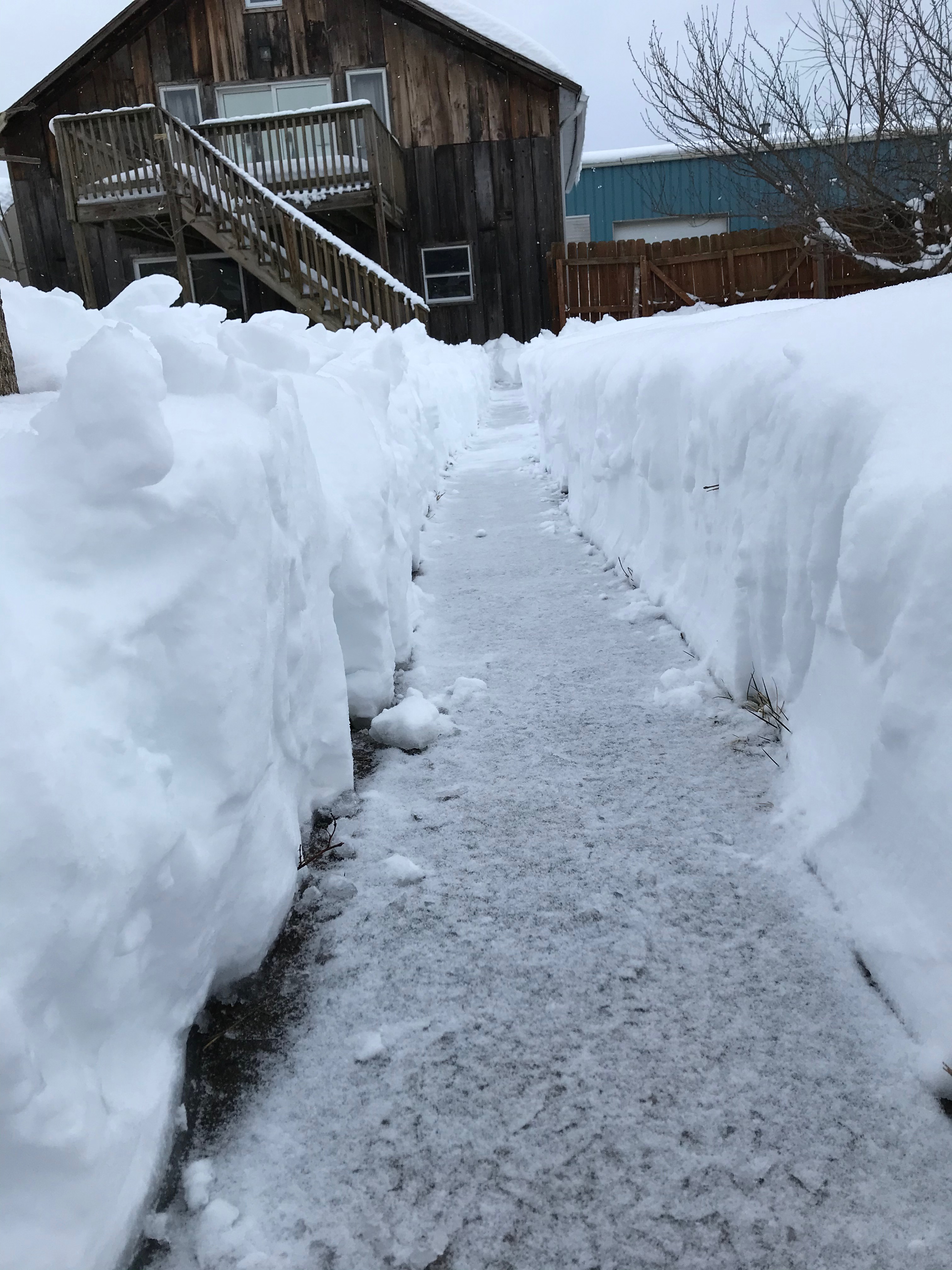
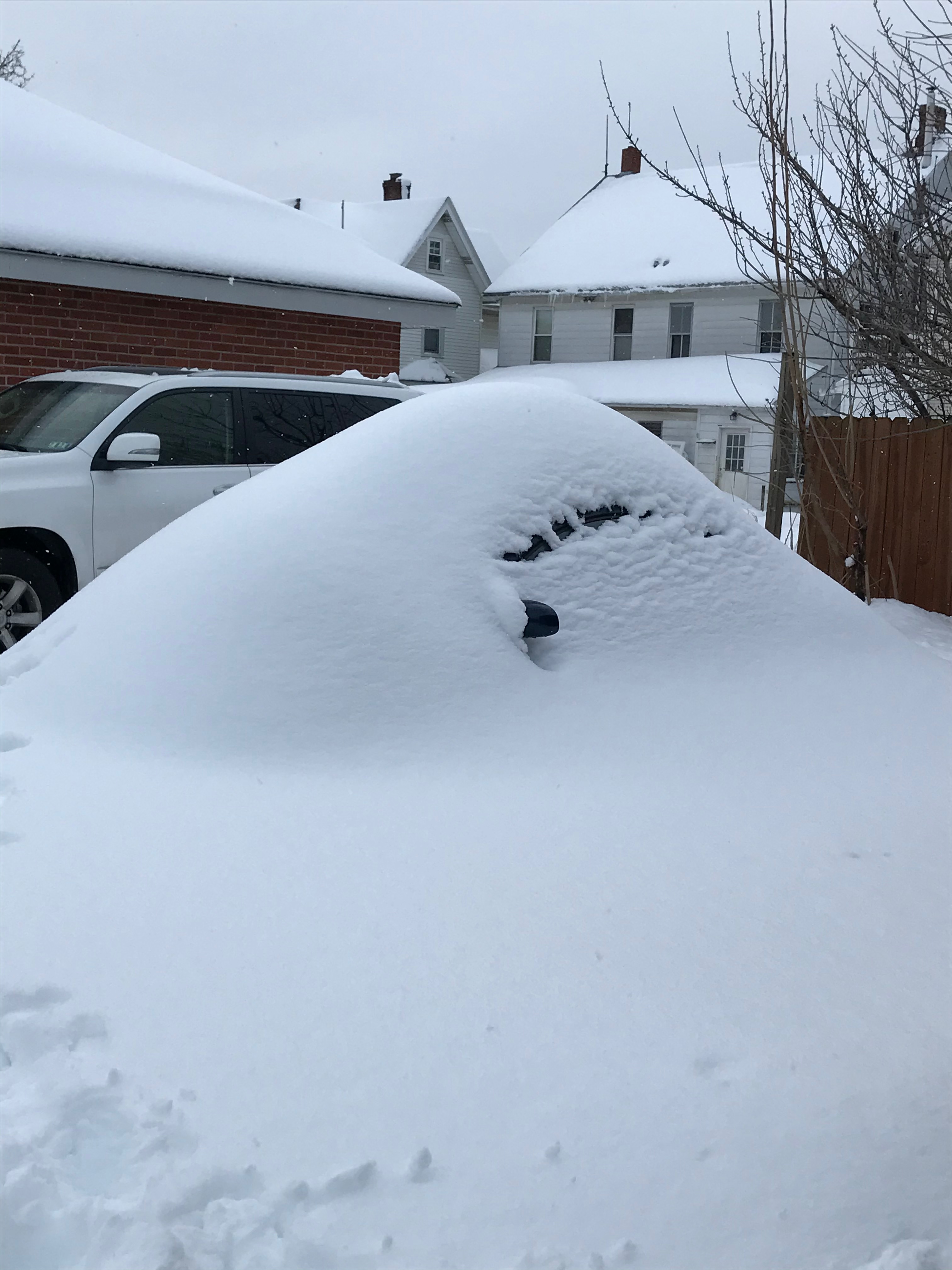
Although my back’s grateful, many of the snowstorms rolling across the country have left just a small bit of snow here so far.  Small bits of snow create their own hazards, however.  A snow covered trail quickly becomes hazardous for jogging, so I walk.  This past week we had a little snow and temperatures low enough to dissuade many of those who normally walk or run the trail.  Those of us with desk jobs really have to make an effort to move.  When I was out I was surprised by a couple of things.  There were no other lunch-time walkers and it was above freezing.  The almost untrodden snow gave under my feet and in the patches where the sun made it through, was actually wet.  I took my usual constitutional and headed back to work.

These short, cold winter days are too treacherous for walking in the dark.  Black ice isn’t a myth unless you can slip and fall on a myth.  The next day it was bitterly cold.  Still, skipping exercise a day is a slippery slope.  I headed back to the trail.  At first my footsteps from the previous day had led to a regular set of tracks where the snow had melted down and the pea gravel had dried out.  Walking was safe here.  As I reached the further, more wooded end of the trail it was quite different.  Sheltered by the trees, my foot prints from the previous day had slightly melted and then refroze, leaving a track of ice that could easily twist an ankle.  I began to think of the concept of following.

We find those whose wisdom compels us.  We hear them in the classroom, the pulpit, or the street corner.  Or we read them in a book.  We might even see them on television or the internet.  They seem to have something we lack, so we follow them.  Their tracks often start out secure enough.  Dry patches in an otherwise slippery covering of snow.  We follow on, thinking we’ve found our way.  Somewhat further down the path, however, the tracks become icy, showing us that even the great leaders have their own hidden secrets.  The places where they too slip and fall.  The wisdom we seek is collective.  No one person has all the answers.  If that were so it should be obvious to us all.  Instead we need to strike out on that nearly unbroken snow to discover for ourselves.


Global Swarming

It’s a veritable horror trope.  The swarm, that is.  We fear being overwhelmed by vast numbers of apparently innocuous insects or arachnids, although they are much smaller than us.  It’s their logistical superiority, and perhaps their utter disregard of personal space.  Summer at Nashotah House was the time of the earwigs.  They came out in such numbers that no room in the house was safe from them.  There was a horror element to pulling your toothbrush out of the holder only to find one hanging onto the place you were about to put your fingers.  Or opening the refrigerator to find that one had crawled into the butter.  Any time you picked something up you might find an earwig under it.  They would crawl up the walls and across the ceiling.  Other places on campus would be overrun with ladybugs or black flies.  It was in the woods, after all.

Most places we’ve lived since then have had their native bug that gets in, often in numbers.  Our current nemesis is the box elder bug.  Although harmless, it is a true bug in every sense of the word.  I’m Buddhist in my desire not to kill and there are too many to catch and take them back outside.  Fortunately they’re pretty localized—they like my study, probably because its southern exposure means it gets sunshine even into December.  We’ve had some cold days but November has been experiencing global warming and the box elder bugs, clueless, wander all over the place.  Most of them are near the end of their life and die after poking around for a few days.  Others are quite frisky.  Some remind me of horror movies from the fifties.

I have one of those desk set Stonehenge models.  I don’t have the space to set it up fully, and the die for the model was obviously done with poorly sculpted clay, so it takes some imagination to think the trilithons resemble those of the actual site.  When I noticed a box elder bug crawling over one, however, it took me back to Tarantula and other such films where the menace wasn’t just a little old bug, but a huge one.  Our monsters these days have shrunk, however, and fear comes in small packages.  Box elder bugs are harmless but annoying.  Of course, they’re still out this year because we’ve warmed the place up for them and even in November they, well, swarm.


Sky Dwellers

If the atmosphere’s an ocean, we’re all bottom-dwellers.  Ancient peoples populated the sky above with incorporeal beings, starting with a god, or gods, at the top.  Beneath that great being were other, for lack of a better term, spiritual beings.  Angels, etc.  Eventually, the lower you got in the sky, the heavier bodies became until those of us bound to our planet by gravity (for which they had no concept) were pretty much stuck on earth.  Although this may not seem like it, it was an early form of scientific thinking.  Birds fly.  The first thing you notice upon lifting a bird, is how light it is.  (Bird lifting may be rare to those of us in modern times, keeping the wonder intact when we actually encounter it.  I was once handed an owl-hawk or some such raptor, at a street vendor stand at Stratford-upon-Avon.  As the handler slipped the glove on and asked me to hold my hand out, I prepared for like a five-pound bag of flour.  Instead I could barely tell that the bird, larger than a bag of flour, was even there.  “Light, isn’t he?” the vendor asked.)

Back to science.  If birds, which are light, can fly in the air—some at great heights—it must be that sky-dwelling beings are lighter.  Lighter than birds.  In the Middle Ages, in Europe, this proto-scientific thinking was applied to theology.   Monastics and scholastics tried to determine what exactly spiritual bodies were made of.  Keep in mind that their world consisted of a basically flat earth with a very large dome over it.  That dome had layers—the sun and moon lived in one, the stars lived in one, and then spiritual beings all the way up to God (since monotheism reigned by then).  Stories of angels and demons mating with humans circulated.  How was that possible if they were pure spirit?

It stands to reason that clouds also inhabit the skies.  It doesn’t take much of a scientist to associate heavy clouds with rain.  Logic suggests clouds are made of water.  Perhaps then spiritual bodies were some kind of vapor.  Lighter than air they inhabited realms far above the clouds.  They descend by gaining weight, perhaps like clouds.  These otherwise ethereal beings would be unknown to us, they dwell so high.  They have to come down to deal with us.  There may be realms even lower, but if the atmosphere’s an ocean, early science suggests, we are indeed bottom dwellers.


Steel Industry

It was a building on Broadway, just south of Times Square.  I don’t know the name of the building or remember what business it may have housed, but I did notice on my quick walks through Manhattan on my way to the bus that it was being renovated.  The facing had been removed and an exposed I-beam bore the words Bethlehem Steel.  From coast to coast, and even to ships at sea, Bethlehem Steel was a major supplier.  Today the factory is still.  There’s a poignancy about such giants falling.  The world as we know it was largely constructed from the products of the still impressive, rusting reminder of days of glory.  No doubt the air is healthier to breathe and the noise level much more suited to humanity, but standing here next to this behemoth it’s easy to fall into a reverie.

I grew up near heavy industry.  Nobody in my family was directly involved, but my hometown had a steel mill just across the river and my next hometown housed an oil refinery.  Both are closed now and the area has been in an economic depression that has lasted for decades.  Industry on this kind of scale requires workers willing to sacrifice much in order just to survive in an industrial world.  Over 500 workers died over the years at the Bethlehem Steel plant.  Factory life involved dangerous jobs with machinery containing material at over 3,000 degrees, and single pieces of equipment that could easily crush a person beyond recognition.  Workers were in some sense expendable as the collective, the nation, grew.  The factory never shut down, running all through the night, seven days a week.  The profits were enormous.  So were the costs.

Global warming was well underway as the greenhouse gases belched into the sky.  Bethlehem Steel wasn’t the only polluter, of course.  Heavy industry, industrial farming, individual cars—we seem to be determined to poison the air we breathe in order to make money.  If the pandemic has taught us anything it’s that we’re all connected.  Rising prices and supply chain breakdowns have underscored that we all depend on each other worldwide.  Climate change has already assured that disruptions will continue and likely worsen.  There’s a kind of autumnal beauty in desolation.  These great steel stacks stand rusting and silent beneath a leaden but too warm sky.  Actions have consequences, and those that affect many create ripples that become waves.  We have created monsters but we can’t control them.


Like a Hurricane

Around here we welcomed September in with the remains of Hurricane Ida.  For the second summer in a row, far inland, we’ve sustained hurricane damage.  For storms like this it’s not so much a question of if there will be damage, but rather “how much?”  It was complicated by the paper wasps.  It’s like a 1970s natural disaster movie.  It starts at the end of August.

I was going out to put the recycling bin away (more on this later).  When I opened the garage door I was stung three times by a paper wasp (or maybe two)—twice on the face and once on a finger.  The previous day when I’d taken the bin out there hadn’t been a nest, but 24 hours later, angry waspids were protecting their territory.  I couldn’t even get the door closed.  We don’t have any bug-killing spray on hand since we believe in live and let live.  But I do need to get into the garage.  Due to my weekly schedule I couldn’t get to the hardware store before Friday.  Fine, let the Hymenoptera have the garage.

The next day—actually later that day—Ida began to arrive.  We’ve had extensive roof repairs since moving in here.  We’ve had two-thirds of it replaced entirely.  Then the rain started.  The plumber came before it got bad to replace a cast-iron radiator that we had moved so I could repair the drywall behind it.  While doing that I repaired the ceiling where water from ex-Hurricane Isaias leaked through.  The roofer had patched this part after Isaias, so we thought we were good.  By mid-afternoon there was water dripping from the ceiling again and the repairs I had made crumbled into the bucket set there to catch the water.  So it goes.  Outside the street was closed due to flooding.  I couldn’t get into the garage to check for damage because, you know, wasps guarded the only door (still open).

It used to be that weather was a neutral topic to discuss.  Of course, it’s become politicized now.  Having a climate-change denier in the White House for four years made the topic dangerous to raise.  This area used to never get hit too badly by hurricanes.  Global warming, however, has changed everything.  I got up the morning after wondering where to start.  It was still dark and a cricket had come inside to get out of the weather.  It chirped as I came down stairs.  Everything will be all right.

Our unofficial rain gauge

Starting September

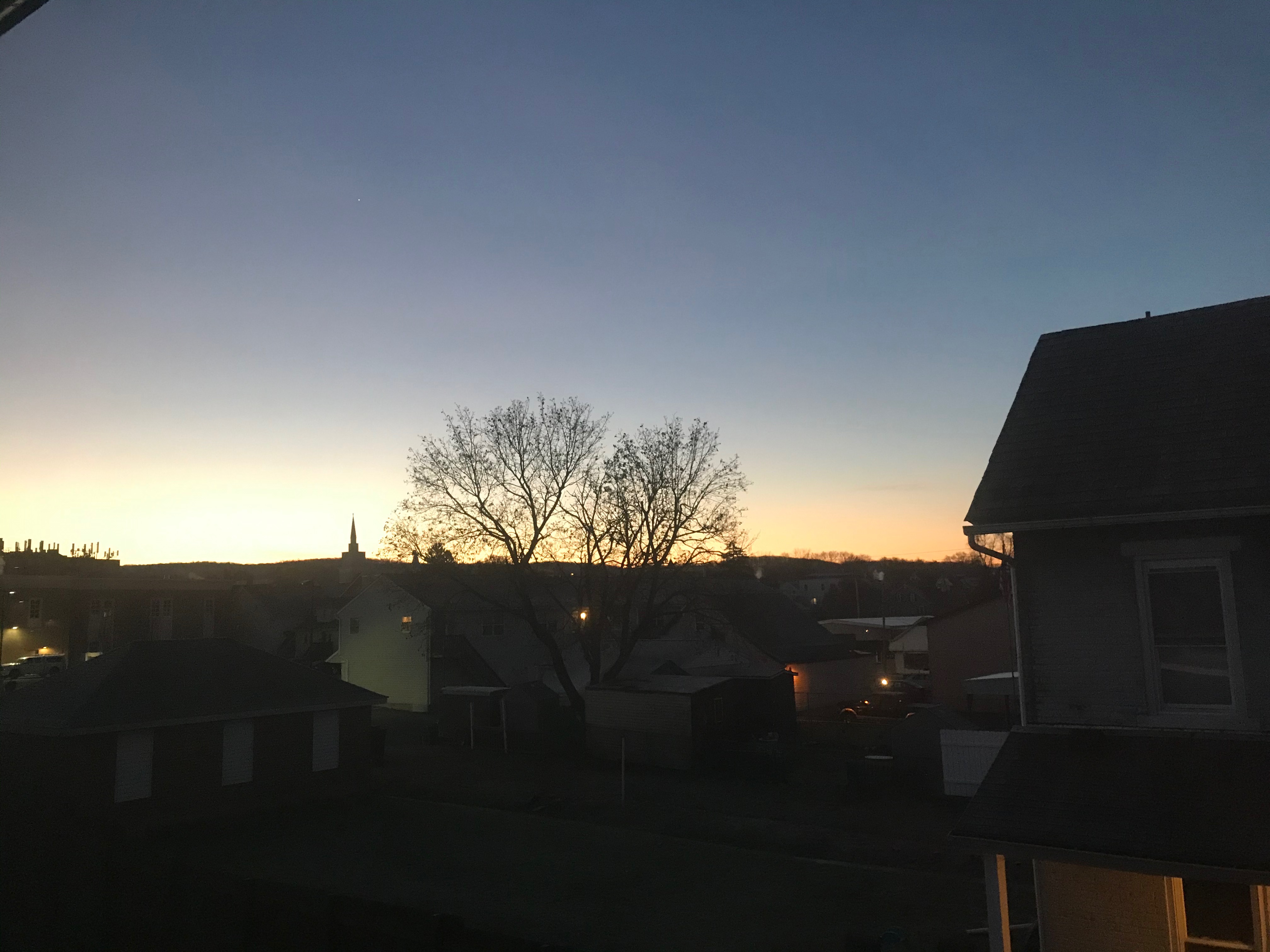
The deep green of late summer has been starting to brown at the edges.  The process is a slow one, but it’s urged along by the Halloween decorations beginning to appear in the stores and the spooky offerings showing up in various media.  Our second pandemic summer is winding down.  Autumn has always been my favorite season.  I like summer’s relaxed attitude.  Even winter’s chill is something I anticipate.  But autumn is so visceral that it’s spiritual.  Autumn catches in my throat.  I sniff the air expectantly.  I know the ghosts and ghouls are on their way.  I won’t feel so strange for watching horror movies when the season demands it.  Already light is scarce before work in the morning.  In order to accommodate my daily constitutional I’ve had to shift to the streets of our town where there’s a bit of artificial light at 5:30 a.m.

September has crept up on us under the guise of several heat waves and hurricanes crossing the country.  The season of scares is about upon us.  I have to admit to feeling a thrill when seeing orange and black in stores and on front lawns.  Halloween lights have begun to appear on some front porches and the candy has begun to spill out in grocery stores for those who want to shop early.  Outside, even with the heat waves and hurricanes, early morning declares that fall is on its way.  As early as August, like a squirrel I begin to horde away my autumnal reading and viewing.  Books and movies to see me through to what seems like the home base of spring when shivers cease and light begins to grow again.  Every year I tell myself I’ll be ready this time.  Every year it stuns me in its wonder.

The transitional seasons, unfortunately, are most under threat from global warming.  The periods between the extremes of heat and cold get foreshortened, making them even more precious.  I have to believe Halloween is capitalism’s attempt to sell autumn.  It’s a season of feeling, of pure emotion.  I almost fear its coming since I know it can’t last for nearly long enough.  There’s a beauty to the decline, and my migratory instincts for the classroom kick in.  If only it could be so forever.  Summer’s heat underscores autumn’s relief.  There’s treasure hidden here, even if it’s only temporary.  September is finally here.  And with it comes hope.

Things to come

Belated Lughnasadh

We’re accustomed to think of summer as a “non-holiday” season beyond the bookends of Memorial and Labor Days, and the midsummer Independence Day.  Still, ancient people felt the turning of the year at the start of August with the festival of Lughnasadh.  I often forget it myself, although I’ve been feeling a tinge of autumn in the air this past week.  You can smell it at the very tip of your nose if you’re sensitive enough.  The cool of the pre-dawn air presages changes to come.  The wheel turns constantly.  Lughnasadh was actually Sunday (August 1).  Along with Samhain (Halloween), Imbolc, and Beltane (May Day), it divides the year into quarters (now called cross-quarter days since they fall roughly midway between the solstices and equinoxes).  It reminds us that summer is getting on; Lughnasadh was the festival of early harvest.

Lughnasadh was originally said to have been initiated by Lugh, one of the most prominent of Celtic deities.  Several European cities, such as Lyon, have names that likely derive from Lugh.  A warrior god renowned for his ability with crafts, he was also a savior god.  Although I’m no expert in Celtic mythology, it’s difficult to live in a Gaelic country for three years and not absorb some of the fascination for it.  Unlike Greek mythology, there aren’t large numbers of ancient literary pieces that tell the full story.  There are tales enough to know that Lugh was a major god of pre-Christian Europe and that as Christianity spread he was challenged by another savior god.

Although now rather obscure in much of the world, the Christian holiday of Lammas, or “Loaf Mass” was settled on August 1, likely to draw attention from Lughnasadh.  It too was a celebration of first fruits, for as reluctant as we are to let the light and warmth of summer go, plants are beginning to feel the onset of fall.  Lammas is a festival of communion—thus the loaf—and continues to be celebrated with local customs.  It includes the blessing of bakeries or of bringing bread to church to be blessed.  Lost in the modern rendition of summer, Lughnasadh or Lammas is barely recognized by most of us.  I’d never heard of it until I began researching holidays for a book I wrote that was never published.  Festivals that celebrate the changing seasons have an appeal to those of us isolated indoors behind screens all the time.  Perhaps it’s time to bring some summer holidays back. Lugh says yes.

Perhaps Lugh, via Wikimedia Commons

Weather rules

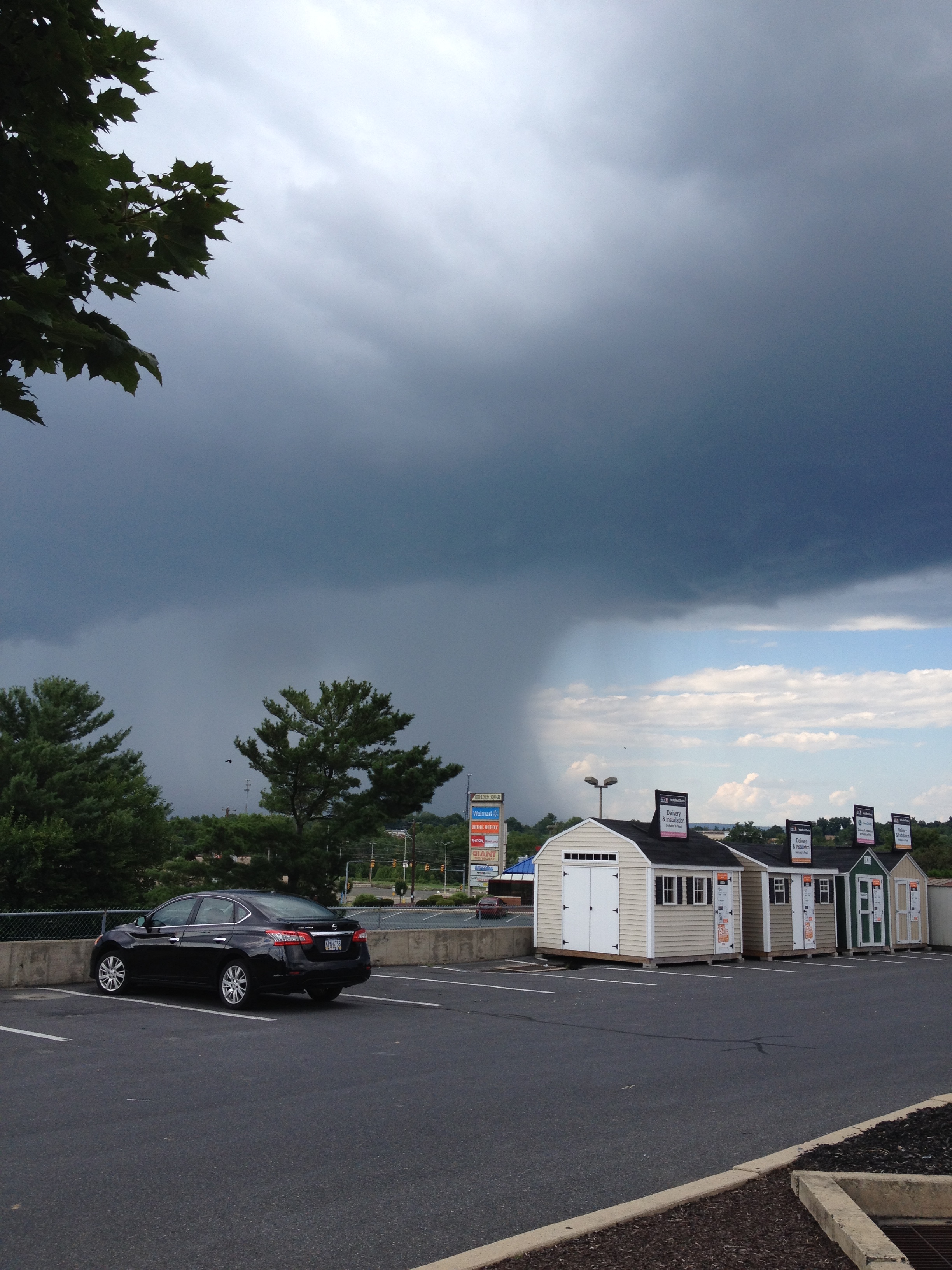
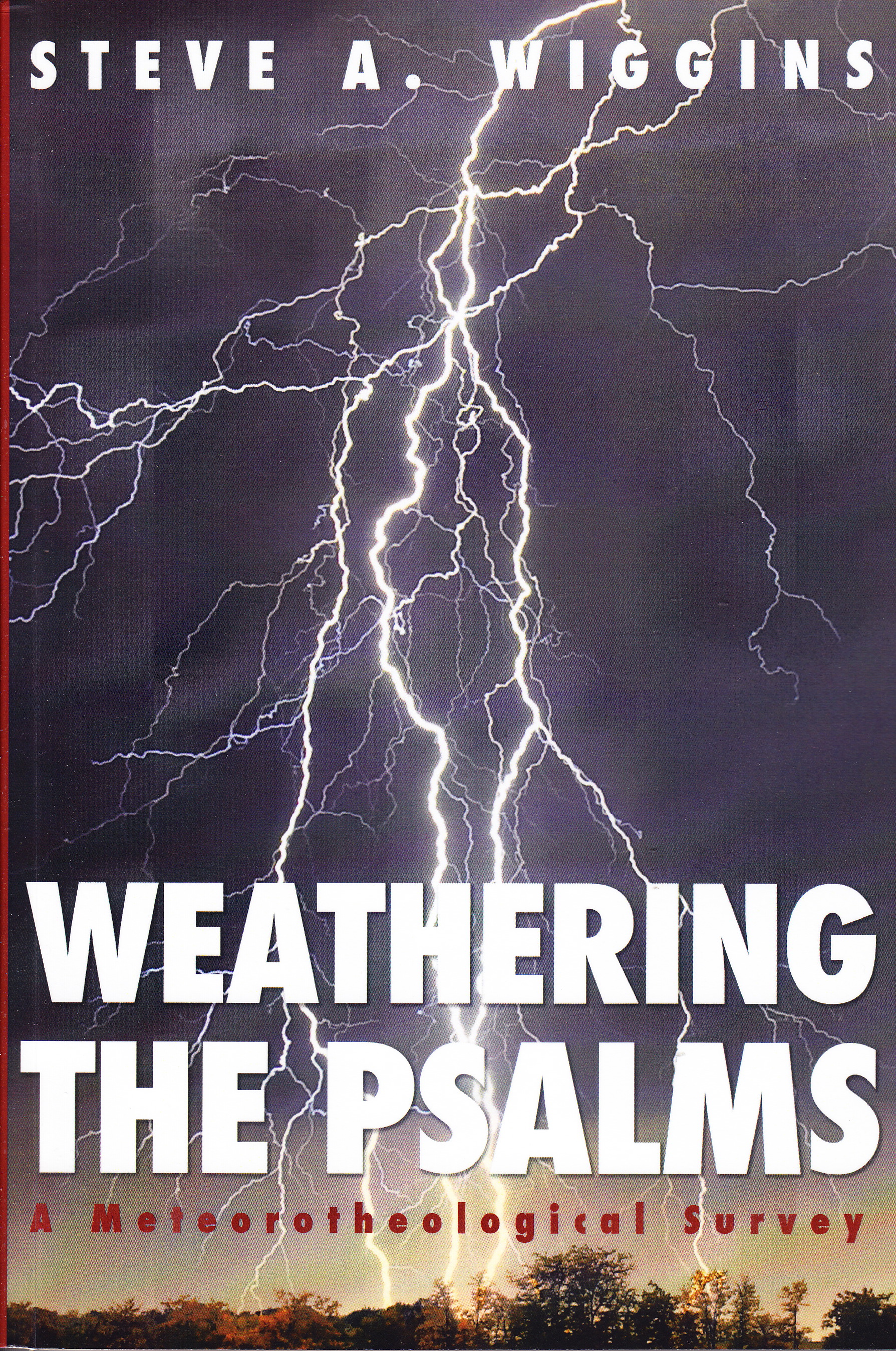
One of the observations that prompted me to write Weathering the Psalms concerned the disruptive nature of storms.  Power outages was pretty common in that part of southeast Wisconsin where we were living at the time.  Downed trees could block rural access—more limited than the alternate routes of cities—for hours.  There was clearly a sense of being at the mercy of nature and it was disruptive to the human schedules and lives we’ve constructed.  The tornado warning we had a couple of days ago reminded me of that aspect.  While radar saves lives by giving advanced warning, it also makes it difficult to concentrate on work when you’re told to take shelter.  As far as I’m aware HR doesn’t have a tornado policy.

Having lived in the Midwest for a decade and a half, I came to be aware of the difference between a tornado watch and a tornado warning.  While my phone was showing a watch, another family member’s was showing a warning.  My evening plans were replaced by standing at the window looking west.  The worst of the storm passed us but as long as the weather was threatening there was little else we could do.  Eventually all devices agreed that this was a warning and we should take shelter.  The storm eventually passed, leaving my tightly packed plans for the day in tatters, even though our actual house was fine.  That’s the nature of the weather that makes it so interesting.  As much as we like to think we’re on top of it, we’re really all potential victims.

Weather is more powerful than humans.  We have to change our plans according to its whims.  And climate change is making it more extreme.  Even with the evidence all around us deniers still try to block legislation that takes steps to preserving our planet.  Those who wish to destroy it for theological reasons don’t stop to think that doing so is about as selfish as you can get—something that the Bible really doesn’t promote at all.  One thing about the weather: although it is very different from place to place, we’re all in it together.  It can be very disruptive, yes.  It reminds us that we and our human plans are temporary.  When we’ve managed to do ourselves in, or have abandoned this planet to find a more hospitable one we can ruin, the weather will remain.  Majestic storms will come and go, whether or not there’s anyone here to see and appreciate them.


EBW

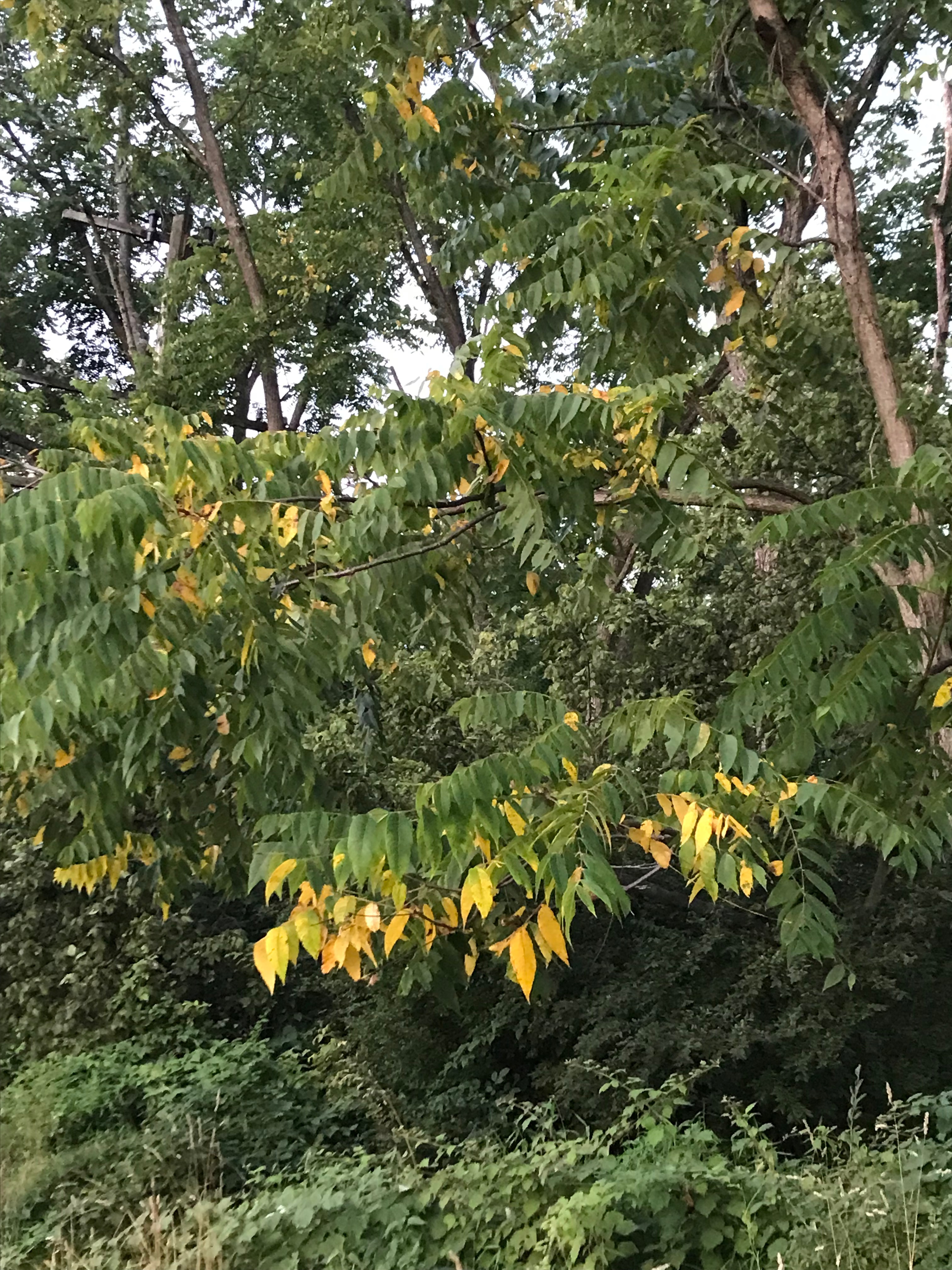
Nashotah House was a strange place to begin (and end) a teaching career.  Not only did you see students every day, but as faculty you were required to eat and worship with them twice a day.  (You were grudgingly permitted to have supper at home, with family, if applicable.)  You got to know students, and sometimes their families, well.  I suppose that was the point.  We had a lot of students from Texas, and one year a student spouse said she cried all the way home when she found her first colored leaf on the ground.  Granted, Wisconsin winters could be cold.  Even here in balmy Pennsylvania we have to use the furnace from October through May, leaving only four months of the year without artificial heat.  And even September can get pretty chilly.  I was thinking about this student spouse when I started to see the walnut trees turning yellow in July.

Yes, each plant has its own rhythm.  Not all of them need all their leaves until October or November.  Walnuts, however, are an interesting species (or whatever the plural of species is).  The walnuts you eat are probably of the Persian or English walnut variety.  Here in the United States, the Eastern Black Walnut is perhaps the most common deciduous tree east of the Mississippi, but since the nuts are hard to crack they aren’t grown commercially.  Squirrels worship them.  The EBW (do I really have to type out Eastern Black Walnut again?) is famous for its use of allelopathic chemicals.  Some people say it poisons the soil, but more specifically, allelopathic plants distribute chemicals into the soil that favor the growth of “friendly” species and inhibit others.  Yes, plants are quite smart.  The EBW is also wise in its use of the squirrel.  These ubiquitous chewers disperse the nuts widely.  It isn’t uncommon for me to find one on my porch when I go out for my early morning constitutional.  

The air is beginning to feel cool once in a while in the early mornings.  Like the walnut trees and the squirrels, I think I’m at the very early stages of feeling autumn coming on.  We’re still many weeks away from the colors of fall, harvest, and Halloween, but the wheel of the year is still turning.  It never really holds still.  We have the languorous month of August ahead, with its long, warm days and summertime activities.  The walnuts stand as sentinels, however, reminding us that nature is ever restless and ever inclined to change.  I don’t weep to see the changing leaves, but I do marvel at how nature seems to plan ahead for autumn, even in the midst of summer.


Weathering the Sleep

Weather still has a tremendous, if incremental, effect on life.  Patterns where a repeating weather cycle seems stuck in place are a good example.  While not exactly uncommon in summer around here, thunderstorms develop during the hot and humid days.  Our current pattern is that thunderstorms arrive in the middle of the night.  For days in a row.  We had a few days in our current series.  Some of us can’t sleep through thunderstorms, not least because we have to get up and close the windows, pulling fans out, so that the water doesn’t invade.  This means several nights of interrupted sleep and rather unforgiving work schedules the next day.  Companies don’t often take this fact of the weather into consideration.  I’m not the only one yawning all day.

Of course, other things interrupt sleep as well.  Any parent of a newborn has those perpetually baggy eyes that we’ve come to associate with trying to get an infant to sleep through the night.  Work doesn’t smile on that kindly either.  Both of these (and many others) are very real human concerns regarding slumber.  HR, on the other hand, looks at the clock with a frown.  This sort of work ethic is particularly bad in America where work is a kind of sacred obligation (unless you’re a minor, rich, or retired).  You owe that time, no matter how sleepy you are or sloppily you may work because of it.  In my case it’s the weather that’s been causing my drowsy days.  I guess I shouldn’t have given up caffeine a few years back.

Weather, although it’s treated as a “neutral” subject, affects everything.  There are deniers, but climate change is real.  It’s measured across centuries and millennia, however, and our point of view spans only the few decades of our own lifetimes.  We come again and again to the myth that this planet was created for us rather than the more factual realization that we grew organically out of it.  Our civilization is complex and grows more so all the time, requiring less and less time in nature.  Nature isn’t predisposed to be nice to us, or to any species.  It’s a matter of balance.  So it is with the weather.  This massive atmosphere above us seeks to balance itself out but we’re making it hotter than it should be.  Many suppose that God will sort it all out, if, indeed, forcing a crisis won’t compel divine intervention.  I just hope the “man upstairs” has been getting enough sleep.


The Future of Consciousness

Consciousness is unexplained.  We’re born and we become aware.  Raised by parents or guardians, we learn where we belong.  The decisions of one generation affect the futures of the next, often without conscious consideration.  I’ve been thinking about how, with our limited resources, we’ve pressed on, reproducing beyond what our environment can sustain and each of us is born conscious.  Some of us—many, in fact—in difficult circumstances.  Instead of working together to figure this out, we keep on, not quite sure of what we’re doing or where we’re going.  Heath Ledger’s Joker may’ve been speaking for all of humanity when he asked, “Do I look like a guy with a plan?”  Do any of us?

During a discussion the other day the topic of the severe western drought came up.  There have been general drought conditions in the western half of the country (the northwestern coast has been spared) for well over half-a-century.  I wonder why the cities in such regions continue to expand and then I realize that each generation is a kind of reboot.  We tend to think we belong where we’re born.  My thoughts turn toward the ancestors of the first nations and how they knew that moving was necessary for life.  When the ice sheets start descending you really don’t have many options.  Perhaps our sense of place is an evolved trait, brought on by the changed circumstances of invaders’ senses of ownership.  Capitalism certainly doesn’t help.  Those born in drought-ravaged areas soon come to think of it as normal.  We can adjust to just about anything.

Settled existence is necessary for a life that defines meaning by ownership.  For me, I have a difficult time imagining my life without my books.  What we read tends to define us.  What would I do if the ice sheets began descending again?  Such change takes time, of course, but our complex society doesn’t seem to be very good at advanced planning.  My consciousness tells me where I belong geographically, psychologically, and even religiously.  I was taught such things as a child and even if I unlearn lessons that were wrong, I will always still feel that they were right.  If I flee the coming ice sheet I simply have to accept that my reality has changed.  Until that ice sheet’s at my back door, however, I can continue to deny it’s a problem.  Consciousness is a funny thing.


Ever-Changing Skies

The weather is something we like to think is trivial.  We’ve got more important things to do than worry about it.  Yet even our most important ways of dealing with life’s issues have to take the humble weather into account.  The fact that I was awoken by a thunderstorm at around 1:30, and, given my schedule, thus began my day, perhaps has something to do with it.  And perhaps so does a conversation I overheard on a trip to Ithaca.  Now, upstate New York isn’t known for its cooperative weather.  In fact, the alma mater of Binghamton University includes the phrase “ever-changing skies.”  I was in a public place and a conversation was being had between two men who were strangers to me.  My ears perked up when I realized they were discussing higher education.

This should surprise none of my regular readers.  Higher education has been the stand-offish lover in my life.  In any case, as one guy was explaining to the other, he worked at Cornell University—one of the Ivy League schools—and he opined that the reason it had trouble recruiting faculty was, well, the weather.  Now, I’m one to sometimes take weather personally.  (I’m still wondering what the point of last night’s thunderstorm was.  Anything that wakes me after midnight essentially personally ends my night’s sleep.)  In any case, being one of those under-employed academics I had to think about this.  I’d be glad for a university post—would I turn one down because of the weather?  Is meteorological preference really that strong?  Especially since in polite conversation the weather is considered the shallowest of topics.

Weather is vitally important.  Perhaps because of its ubiquity we tend to overlook it.  Think about rain on a wedding day.  Or a moving day.  In the latter case it can be more than inconvenient.  Sports events can be cancelled due to weather (baseball is especially prone to this).  Extreme weather (which is becoming more common) can shut everything down.  Is is just me, or does every thunderstorm now come with a “severe” warning attached?  Weather is more than just inconvenient; our lives depend upon it.  Thoughts not unrelated to these were in my mind as I wrote Weathering the Psalms.  I’ve only ever lived in rainy climates.  I realize many others aren’t nearly so lucky.  The drought in our western states is troubling.  Perhaps higher education might be able to rise above it?  Or will the most educated turn down jobs because of the inconvenience of ever-changing skies?