
Great white throne of judgment?
I just had a brush with the law. I was recently called up for jury duty for what looked like a very interesting case, but I was dismissed before it got started. When I left the courthouse, I felt as if I was being watched. I was trembling. The reason, I suppose, began with a simple ticket. As a teen I was reluctant to drive. Those who’ve had the annoyance of riding with me know that I rigidly adhere to speed limits and traffic laws. At a momentary lapse some years ago, I was cited for speeding in a rural setting and my sense of justice was shaken. I may have been going too fast, but it is not a habit nor a common occurrence. This happened within a year of being dismissed from a long-term job because the politics of the institution at which I’d faithfully worked for over a dozen years had changed. My faith in the system had been badly shaken. The ticket, issued on a road with very little traffic and for an offense that endangered nobody, only exacerbated the sense of something awry on a cosmic level.
This story has a point. Being raised in a religion with a punishing God who spent most of his time seeking out secret sins and infractions had molded me into what I supposed was a model citizen. I read the Bible daily, attended church every week, avoided all the common sins that others seemed to enjoy with no repercussions. Nevertheless, the God I knew was angry. That anger was directed toward me. Like Michael Pedersen Kierkegaard, I was surprised when things seemed to work out so that I had a secure job in the midst of a recession. Although my thought had evolved considerably, the angry God was still stalking me; I have no doubt that he will be until my dying day. What we teach our children about religion will stay with them for a lifetime. When that job ended, sending me in a career spiral that has now lasted five years, I could feel those punitive eyes staring me down. Now if I see a police car in my rearview mirror, my pulse rate quickens and I break out in a sweat. Like God, they are seeking any little infraction to exploit.
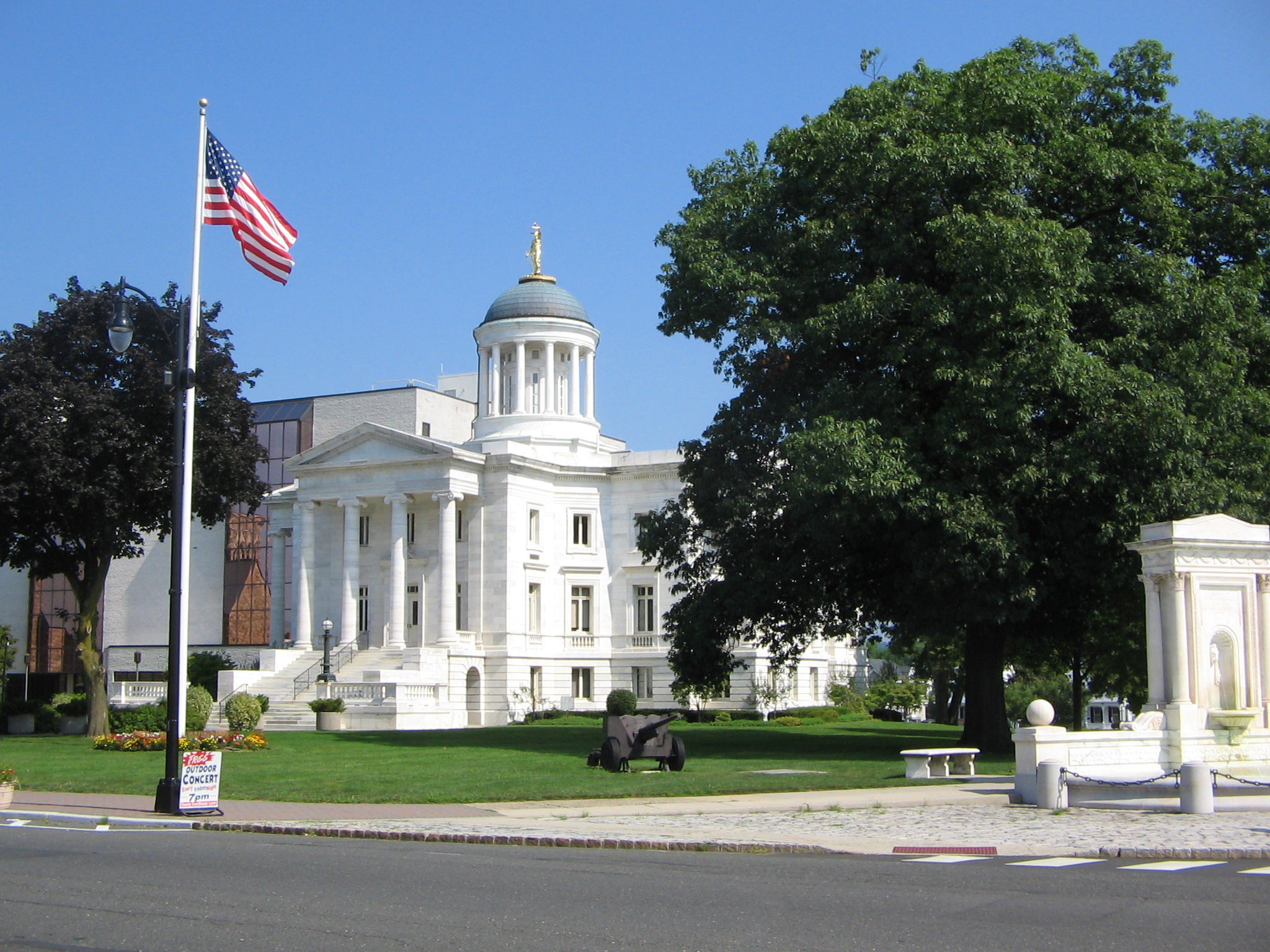
Ironically, the jury assembly room in our county seat is in an old church. As I sat, waiting for my number to be called, I looked at the stained glass windows of Jesus, angels and saints. My first thought was how such a sight might be experienced by someone from a different faith background: what does our public space say about justice? Would a Hindu or Muslim find this welcoming, contemplating the seriousness of the juror’s role? It is a beautiful and comfortable waiting area nevertheless. As I found myself in the rarefied atmosphere of a courtroom with a judge, attorney, and many other jurors, I again felt the eyes of judgment upon me. I’d just exited a building formerly inhabited by an angry God–losing a building surely can’t put someone in a good mood, can it? Had I not been dismissed, I would have watched the drama of justice unfold. And it would have been myself that was sitting at the table of the defendant in a world where no one can ever live up to the standards set by a wrathful God.
 Steve A. Wiggins