Ghost Publishers

Ancient Near Eastern studies, where my academic work has the widest recognition, is still an area of fascination.  I have to hold myself back when I see a new book published in the area.  You see, I learned when I researched in this field that there is little academic opportunity in it.  As per usual, the public seems quite interested so academia is not.  A few practitioners, however, have been able to break through.  One of them is Irving Finkel, a curator at the British Museum.  He’s been writing popular books about ancient ideas and getting respectable press for doing so.  His most recent book (The First Ghosts), as described in an article in the Smithsonian, deals with the earliest depiction of a ghost.

Perhaps because of copyright complications, his book on the subject doesn’t seem to be widely available in the United States, despite having been published by a trade house.  It could be that the publishers don’t think anyone will be interested.  Hello?  Ghosts and Mesopotamia?  Haven’t you been paying attention?  This is part and parcel of the academic publishing world.  The editorial board has to decide which books see the light of day and which won’t.  And how to price them.  Is this primarily a library book or can it somehow claw over into the crossover market?  Academic publishers will casually add five or ten dollars to the price, assuming it won’t hurt sales.  Guess what?  It does.  As much as I’d like to read Finkel’s book, my interest doesn’t hover around the 60 dollar range.

When I first studied Hebrew I wanted to buy a textbook my professor mentioned, but it cost nearly $100 in the US.  This was back in the 1980s, so that really was steep.  When we moved to Scotland I discovered the same book was available there is paperback for a reasonable price, so I bought it.  That’s when I began to realize copyright laws direct the shape of scholarship.  Publishers decide what makes it into reputable book form and who will be able to afford it.  That’s power.  You see, people have believed in ghosts from as long as we could convey the idea.  The dead never really leave us.  Finkel’s book examines a clay tablet used to exorcise ghosts and may contain a line drawing of a spirit.  Who wouldn’t want to read such a book?  It’s getting press coverage but those who make such decisions have decided, apparently, there’s no market for it.  When that happens a book hasn’t a ghost of a chance.

Postscript: Checking Amazon one last time before clicking “publish,” I see the book has now come down to the $30 range. I can’t take credit for that, but my point still stands.

Haunted Landscapes

The Devil’s Advocates series consists of short books focused on a single horror film.  For horror fans they’re a great resource, as they will hopefully also be in teaching settings.  David Evans-Powell’s recent volume on The Blood on Satan’s Claw is a fine example of just how intelligent horror can be, and how it can be interpreted so.  This particular movie from the early seventies was never a major revenue earner, but that in itself is a lesson.  Influence, measured in smaller scales, can still create an impact on people’s lives.  Evans-Powell’s treatment takes several angles, each of which casts light on this unusual movie.  Reading this little book brought quite a few ideas to mind, both about social structures and religion.  The film is set in the early 18th century, with a city judge who is problematic actually saving the day.

Since The Blood on Satan’s Claw is folk horror, quite a bit of the discussion focuses on landscape.  Paying close attention to landscape reveals hidden information.  It becomes almost a character.  At the risk of too many spoilers, the film is about uncovering Satan—or a demon, it’s not terribly clear on the point—from a farm field.  As this evil character gains power the local children are drawn to him and the village authorities are unaware of what’s going on in the nearby woods.  Landscapes reveal and conceal as the creature gains power and the children engage in acts of violence.  The response of the judge is a violence of its own.  The movie doesn’t really deliver all that it promises in that regard, but Evans-Powell explains how the film was made and that, in turn, explains some of the rough edges.

Religion and horror go naturally together.  I suppose any film with “Satan” in the title will address religion somehow.  Not all horror is religious, of course, but many of our fears derive from religious subjects.  It’s almost as if as we ceased to fear the landscape—nature having been tamed to some degree—we began to find fear in religious thinking.  Put another way, religion has kept fear alive.  The Blood on Satan’s Claw was never a major, big-budget release.  Except for fans of British horror it has largely escaped notice.  Folk horror, because of its recent revival, brought interest back to some of these older efforts to explore such themes, many of them implying a religion hidden in the landscape.  This book provide a useful map in exploring that territory.


Degrees of Separation

For some reason lost in the fog of weblandia, I get The New York Times, “The Morning” delivered to my email.  By carefully not clicking the links I can get my day’s worth of fear and paranoia for free.  Not all the news is bad, of course, and I’d be glad to pay if circumstances had been different.  After giving all the sorrow that’s fit to print, “The Morning” ends with an Arts and Ideas section.  By then I’m usually cradling my head in my hands but I look up to see the positive side of humanity.  The other day the article on the Metaverse included this line: “In its simplest form, the term — coined by Neal Stephenson in his 1992 novel ‘Snow Crash’ — describes an online universe that people can share together…” and I realized probably the closest I’ll ever get to the Gray Lady.

I am, as many of my regular readers know, Neal’s brother-in-law.  He mentions me in the acknowledgements to Snow Crash, something that was discovered by someone at work fairly recently, and which probably did more for my stature than my many long hours daily.  When it comes to degrees of separation, fate, I suppose, plays a role worthy of the Joker.  Neal hadn’t written Snow Crash yet when I met his sister.  Her somewhat unlikely friendship with me eventually led to our marriage and it was in the context of a family gathering that the conversation Neal mentions in Snow Crash took place.  Outside publishing, and in particular academic publishing, acknowledgements are seldom read.  I always read them, though, looking for unusual connections.  I’m often rewarded for doing so.

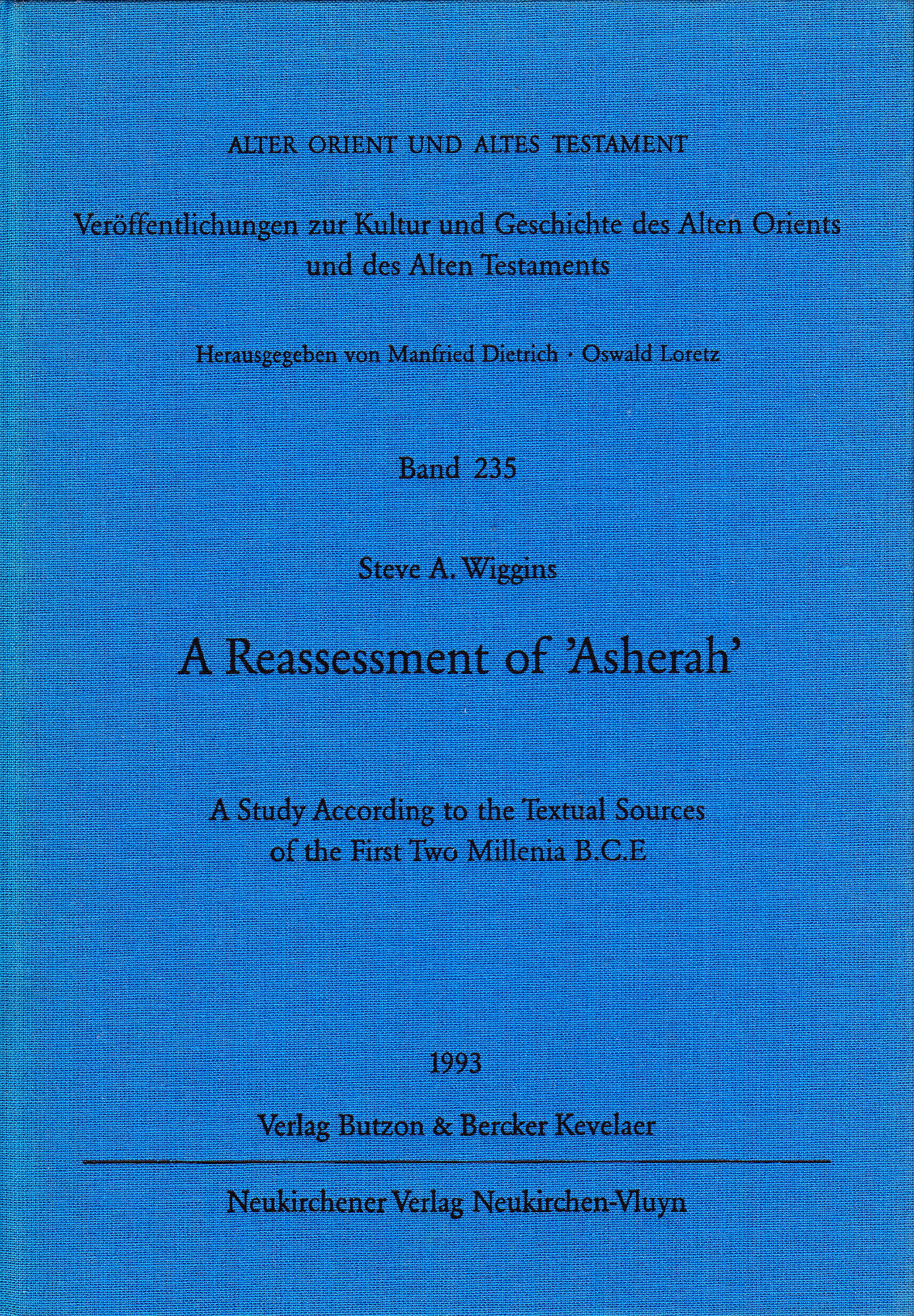
Asherah was, unbeknownst to me at the time, undergoing a resurgence of interest.  My Edinburgh dissertation was published the same year as a more prominent one by Cambridge University Press.  Just a year later, another came out.  Then another.  The internet was really an infant in those days and we learned of such things through printed resources and printed resources are always in arrears by months, if not years.  Of the many Asherah books mine had the distinction of being the most expensive.  Some things never change, I guess.  Suffice it to say, Asherah was on my mind as Neal and I drove to the store to pick up some baby supplies.  I had nothing to do with his coining the word or idea “Metaverse”—he’d already worked that out.  It was Asherah that ended up in the novel.  I was on my way to a short-lived romance with academia at the time.  Family, however, is so much more than degrees of separation.


Walking Bear

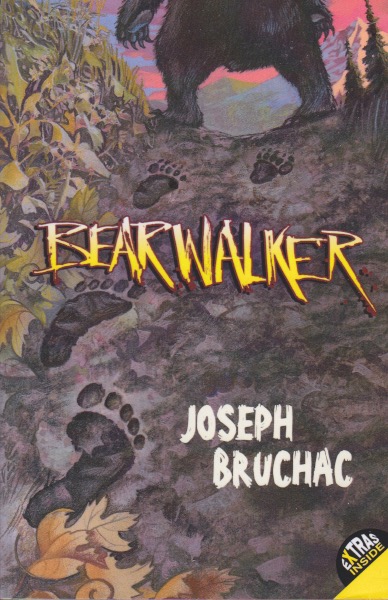
Indigenous peoples have been on my mind over the past several months.  Indeed, I read books by American Indian authors with awe.  In this darkening time of the year the Indian monsters join those of European descent in my imagination.  The wendigo has become somewhat popular in recent years but the bearwalk, or bearwalker, remains obscure.  Although a novel for young readers, Joseph Bruchac’s Bearwalker is a genuine horror story and the author is of American Indian descent.  It took someone giving it to me as a present (mainly because it was for young readers) to get me to pick it up.  I’m glad I did.

As might be expected for young readers there’s some blood but not gratuitous violence.  There are skillful twists in the novel and Bruchac knows how to put his protagonist on a cliff, as the old adage goes, then throw stones at him.  In this case, Baron, a thirteen-year-old Mohawk boy, is tormented by the bullies at his school.  Befriended by a respected teacher, he attends a three-day camping trip to the Adirondacks where a family dispute has led to a plan to terrorize the camp and force its sale.  The plan is to make it the scene of a mass murder with the school children present.  It’s here that Baron is able to demonstrate his worth to his classmates by escaping from the would-be killers and bringing help.

Throughout the story bears feature.  There’s some question as to whether there is a real bearwalker present, but the idea is there.  As with literature for young readers there’s some protective layering—no sex or strong language, for instance—but violence, at least in intent, is clearly there.  It is a very good story with suspense and excitement enough to keep even an adult horror fan going.  The main reason I’d had my eye on the book was to learn how the bearwalker might appear in it.  And also to see the story told from a First Nations’ point of view.  Like Baron in the story, American Indians I read aren’t aggressively angry about the way their people have been treated (which they certainly have a right to be).  There’s nevertheless a sadness and inevitability there.  Still, there’s also a pride in being part of an ancient and surviving culture.  There’s also quite a bit of symbolism in the story; Baron’s parents both proudly serve in the military, despite what the nation has done to their people.  And more subtle indications occur here and there that mainly adults would notice.  Although for young readers this is a real horror story, but one with a conscience.


Everything’s a Nail

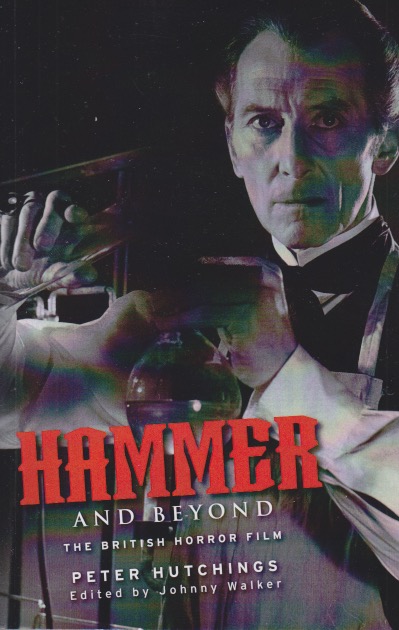
Taking my first, tentative steps into horror analysis, I had read a great many monographs on the subject.  I had watched many horror films over the years, but since my family has no love of the genre, and since habitually under-employed I can’t afford to pay for many, my quota is fairly modest.  I’ve missed out on many.  When I could afford it, I started out with either movies I’d heard of when younger but had never watched, or packs of ultra-cheap B (C or D maybe) movies that nobody has ever heard of.  As I lamented recently, British films were rare—Hammer, which held the English reputation for horror, was the undiscovered country.  Then I saw that Peter Hutchings’ Hammer and Beyond: The British Horror Film had come out in a second edition.  (The new edition contains three of Hutchings’ other articles as well as the original text.)  I had to read it.

Although I’ve not seen many of the movies discussed in the book (again, access issues) it was fascinating nonetheless.  Hutchings considers the elements of gender and Britishness in his readings of the films and there’s quite a lot there.  Horror is generally seen as a conservative genre (it tends to uphold typical social values) and for many Hammer and other films this meant that male prerogative was important.  Equally important, however, is that horror often disrupts this hierarchy.  There are strong, and even fatal, women here.  Horror embodies the acting out of the complex world of fear between women and men.  The study, as befitting a revised dissertation, is laid out chronologically for the most part.

Some readers of this blog have kindly pointed out ways to access Hammer films in the US.  Now all I need is the time.  I’ve been able to keep up with my reading, at least.  And this was a worthwhile book to read, even without having seen much Hammer.  It surprised me, however, that their list of classic horror wasn’t longer.  Having read about Hammer for many years,  I suspected their output was massive.  Instead it was mostly just impactful.  The essays following the main body of the book make the point that British horror was/is distinctive.  These days a lot of international cooperation takes place in the movie industry, and national cinema is becoming more global.  We could use a little less nationalism just about now.  So I’ll continue my quest for Hammer and try to make my way through the movies I really should add to my repertoire.  It’s a good book that can make you want to do that.


Story Time

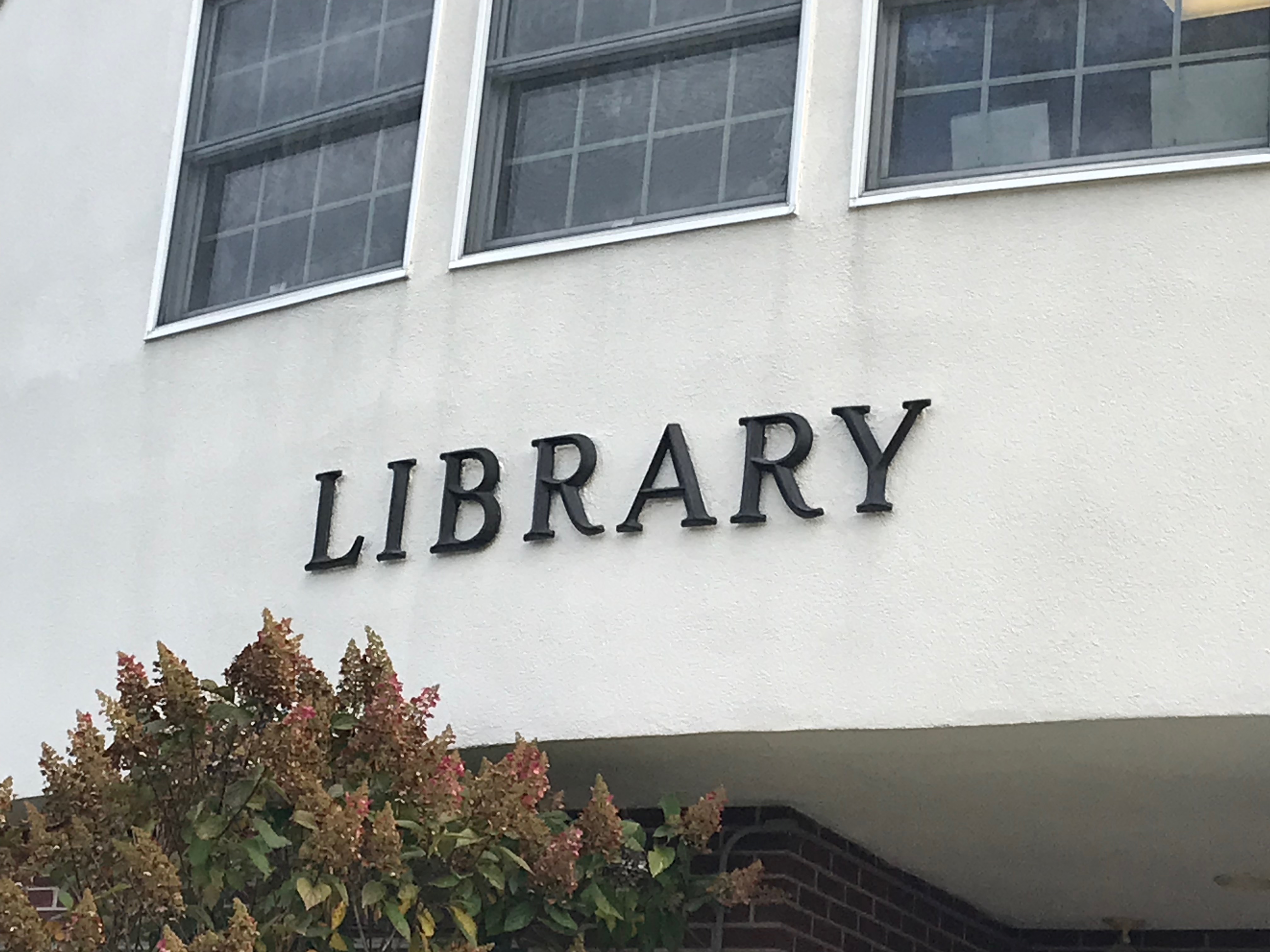
Why am I so nervous about this?  I’ve done it hundreds of times.  Perhaps it’s because it’s a public place in a pandemic.  Maybe it’s because I’ve never used this particular branch before.  Or the thought of all the people having touched this book ahead of me, leaving God knows what germs on it.  I would’ve never made it through my years of higher education, let alone fatherhood, without having gone to the library.  This is the first time I’ve used this one and I’m not sure what I’m looking for.  My Modern Mrs. Darcy reading challenge is complete but for one last category—a book checked out of the library.  So here I am, mask on face, standing fretfully outside the public library.  Nervously I note that it’s story hour.  My wife assured me libraries are never crowded.  Taking a deep breath, I go in.

The library is a fine institution.  A marker of civilization.  Perhaps I’m afraid of having to take care of somebody else’s book for three weeks.  Maybe it’s because I’m an embarrassingly slow reader and these books all look so big to me.  I’ve fallen into the habit of buying (generally used) the books I need.  We’ve donated quite a few to the little free library across the way, passing it forward, as they say.  Still, it is good to be in here with all of these books.  Even though pangs of guilt come, knowing that the yard requires attention.  And I’ve gotta get that squirrel out of the garage.  But there’s now a book in my hand.  I can go someplace else.

I can’t image a world without books.  A world like Star Wars where nobody reads and everyone lives in a Campbellian fantasy where good overcomes evil.  Our world is more Republican than that.  It would be a better place if people read more.  Maybe let the grass go just a little bit longer.  It’s not going to be the end of the world.  Reading may give crucial insights.  It may even help you to be a better person.  Stepping out into the autumn air I have a book in my hand.  It’s one I’ve never heard of, but one that I’m excited to read.  The library wasn’t crowded.  The children were in a separate room.  The leaves are changing and the breeze is fresh.  There’s a lot to do, I know.  But it is always worth the time to read a book.


Not Quite Quetzalcoatl

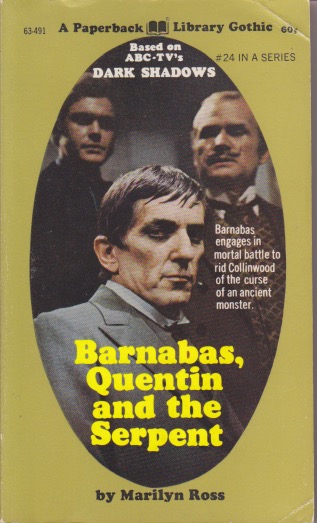
It must be difficult to write the same basic story over and over.  And nostalgic adults like me can be tough critics as we try to recapture faded childhood glories.  Those memories fade like afternoon shading into evening, but still I can’t help myself.  Marilyn Ross wrote 33 gothic tales of Dark Shadows in the spinoff series from the long-running television program, and I’m determined to read them all.  In small doses.  The one, Barnabas, Quentin and the Serpent is actually a bit distinct.  The writing is still journeyman, that of a tired potboiler author, but the plot offers something a little different.  As in the last volume reviewed, Barnabas is free from the vampire curse for a time, allowing him to emerge in the daylight.  And his arrival at Collinwood is actually dramatic and well-timed.  The story is set in the nineteenth century.

Gerald Collins, a professor of archaeology, unexpectedly inherits Collinwood along with his daughter Irma.  They head to Maine from Mexico taking exotic creatures with them, including a dimetrodon that escapes and tries to eat them.  The story revolves around rumors that the professor caught and transported back a flying serpent.  At Collinwood (and let’s think about this a minute—if you add up the body count from all the novels you’ve got to wonder why there’s been no federal investigation) people start to die and reports circulate of a flying snake.  The professor’s going to be driven out of town because angry villagers think he brought this creature back with him.  It’s all very melodramatic.

As in the last novel, Barnabas acts as a detective.  Quentin, who is the werewolf cousin, manages to allude detection by disguising himself.  Even Barnabas is fooled.  The story tries to avoid invoking the supernatural—there’s no such thing as flying serpents—while allowing a werewolf to perpetrate a hoax.  It’s all good fun (except for that body count).  There’s a bit of vim here from our weary journeyman writer, but there are nine novels yet to go in the series.  Writing a series seems to be smart money.  Children (and I first read several volumes of this series as a child) like to complete things and can be loyal series fans.  I never read the full series when I was younger; they were haphazard finds at the local Goodwill book bin.  Of course they were still being published at that time.  I have to admit that I’m curious where it will go from here.  And I do miss Barnabas as a vampire.


Feeling Used

It may be perverse of me, but it makes me happy that used copies of all my books can be found on Bookfinder.com.  I discovered Bookfinder many years ago and it is a wonderful site for cash-strapped ex-academics, or anybody who loves books.  There is almost nothing you can’t find here.  Some of the books are very expensive (if they’re rare), but generally you choose the condition you’re willing to accept and how much you’re willing to spend.  The other day I was looking for a research book there and decided to type my own name in, just for fun.  I suppose some authors, having received next to no royalties, might be upset to find themselves on the used market.  For others it’s a kind of validation that their books are overpriced.

I’m a book keeper.  (Not, I hasten to add a bookkeeper.)  If I read a book I want to be able to refer to it again.  That’s one, but not the only, reason I don’t quite trust ebooks.  I’ve had electronics die on me and they can cost many books’ worth of dollars to replace.  Even then you can’t be sure some software upgrade hasn’t deleted the content you paid for.  At least sitting on a shelf you can find an actual book again.  I know some people prefer to read a book and then set it free—a kind of read and release method.  I suspect some folks buy used books just to sell them.  Still, to know that books are available is cause for celebration.  We may survive this after all.  At least our words will.

Bookfinder has been a lifesaver for us independent scholars who don’t have university library privileges or research expense accounts.  The collections of books individuals amass are as unique as the person her or himself.  A family friend was once won, I’m guessing, by visiting us years ago and saying, “You’ve got interesting books on your shelf.”  (In that apartment shelves covered all available wall space in every room except the bathroom.)  Having books around is kind of like having kids.  Some are new, some adopted.  A few you’ve even produced yourself.  They make you glad when they’re around.  Bookfinder occasionally has items that not even Amazon can find.  It doesn’t sell books directly, but puts you in touch with vendors who work with vendors who actually have the goods.  It’s all very complicated but it works.  It actually seems to showcase one of the things the internet does particularly well—puts people in touch with actual books, to be read offline.


In Praise of Paper Maps

One of the tricks, I’ve mentioned before, for getting around accessing books I can’t afford, is the used book market.  Now Amazon is probably just about as bad for small business as Walmart is, but it does seem to have its logistics down.  (Most of the time, anyway.  Early in the fall I ordered some horror movie DVDs.  One of them was out of stock and Amazon eventually sent me a notice that it was lost in shipping.  Would I like another, at no extra charge?  Shipped to the same address?  Of course I said “Yes!”  But they shipped it to my mother instead.  Most of us are probably embarrassed about what we watch and don’t want our mothers to know.  In any case, she had it forwarded on and I received it a mere two months after ordering it.)  They also let you track it.

If, however, you buy used books from Amazon, you may need to go with a separate vendor’s shipping.  (I tend to use BookFinder.com, but lately it’s been routing me back to Amazon.)  So it was I ordered something with a projected delivery date of October 25–29.  Not too bad.  It’s not like I need it for a book I’m writing or anything.  I was cheered, then, when on October 14 it was tracked to Secaucus, New Jersey.  I used to go through Secaucus every day on the bus.  Twice.  Surely I would have my cheap source before the 25th!  But my package likes Secaucus, apparently.  Once it got there every day the USPS tracking system assured me it hadn’t moved at all.  “You signed up for delivery on October 25–29 didn’t you?  Well, you’ll get it then.  Perhaps.”  Wouldn’t it be nice if shipping had the option of “Your package is pretty close, do you want to collect it yourself?”  Then on the 22nd I learned it was in Glendale Heights, Illinois.  It arrived on the 25th.

Why do I write these things?  (This isn’t the first time, young man!)  It’s because I think they’re funny.  To me, a society that has lost its heart to technology has to be ready for some laughs now and again.  (Some of my critics think I’m complaining; I guess I need more irony in my diet.)  Life during a pandemic has become one of having stuff shipped.  From last year’s toilet paper from China to my current academic book that’s just too expensive to buy new, I sit with my ear cocked for the Amazon footstep on my front porch.  And occasionally getting into my car to drive to a distant post office just because, well, it’s easier for me to find them than for them to find me.


Listening to History

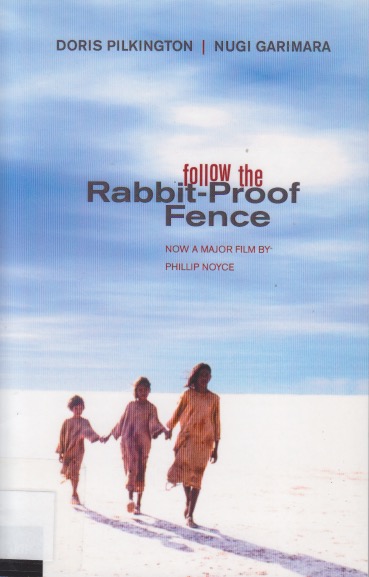
One thing fascists around the world are attempting to do is rewrite history.  Inevitably white, they want to paint themselves as good and superior.  Actual history, however, shows just how destructive and cruel “civilization” has been, particularly to original inhabitants of colonized nations.  Over the past several months I’ve been reading about indigenous peoples.  We’ve been led to believe they were unfortunately wiped out, that they no longer really exist, or that our governments treat them fairly to make up for past injustices.  Such myths must be dispelled and we need to hear from those who’ve lived their experiences.  Follow the Rabbit-Proof Fence by Nugi Garimara, or Doris Pilkington, is the record of one such remarkable experience.  Although made into a film in Australia, it’s a story with which I was unfamiliar.

Garimara is the daughter of an indigenous aboriginal woman who experienced life under the “civilizing” of West Australia.  Molly, the author’s mother, and two of her sisters—Daisy and Gracie—were separated from their family at the ages of 14, 11, and 8, respectively.  They were sent 1600 kilometers—very nearly 1000 miles—away to a school that was run as if the government believed Jane Eyre was an instruction manual.  Although they knew that runaways, who were always caught, were shaved, whipped, and put in an on-campus jail on bread and water, Molly decided to escape with her sisters.  Over nine weeks they managed to avoid the trackers and walk the 1000 miles home.  This all took place in 1931.  Follow the Rabbit-Proof Fence is an engrossing book that should be widely read.

Many questions remain.  Since the story is written from the memories of an aging Molly, there are gaps.  After making it home Gracie was “captured” and sent back to the school.  Molly was eventually tracked down and also returned, but she again escaped and followed the same route back home.  The authorities, implacable, believed that whites knew the best way to handle indigenous peoples, calling the department responsible “the Protector of Aborigines.”  We need to listen to the voices of those whose land was stolen.  We need to ask them how to make current circumstances more just and fair.  Yes, the indigenous lifestyle clashes with capitalism.  We’re becoming aware that their lifestyles tends to be healthier and more fulfilling, and yet we persist.  We are, it seems, living through the slow crumble of the capitalistic system.  When it all comes down we would be wise to learn from those who know alternative ways of being in the world and can find their way home in hopeless circumstances.


A Day with Books

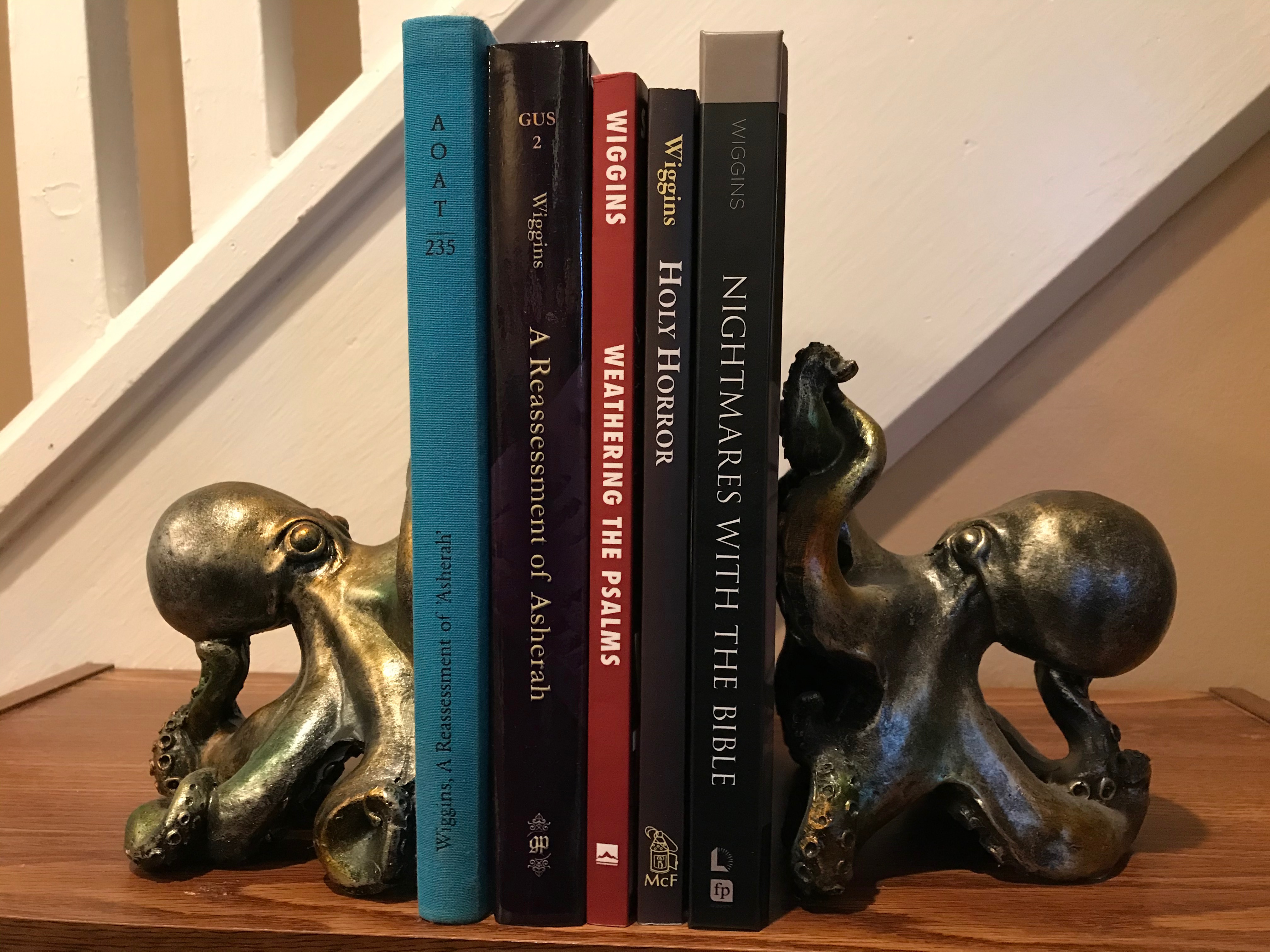
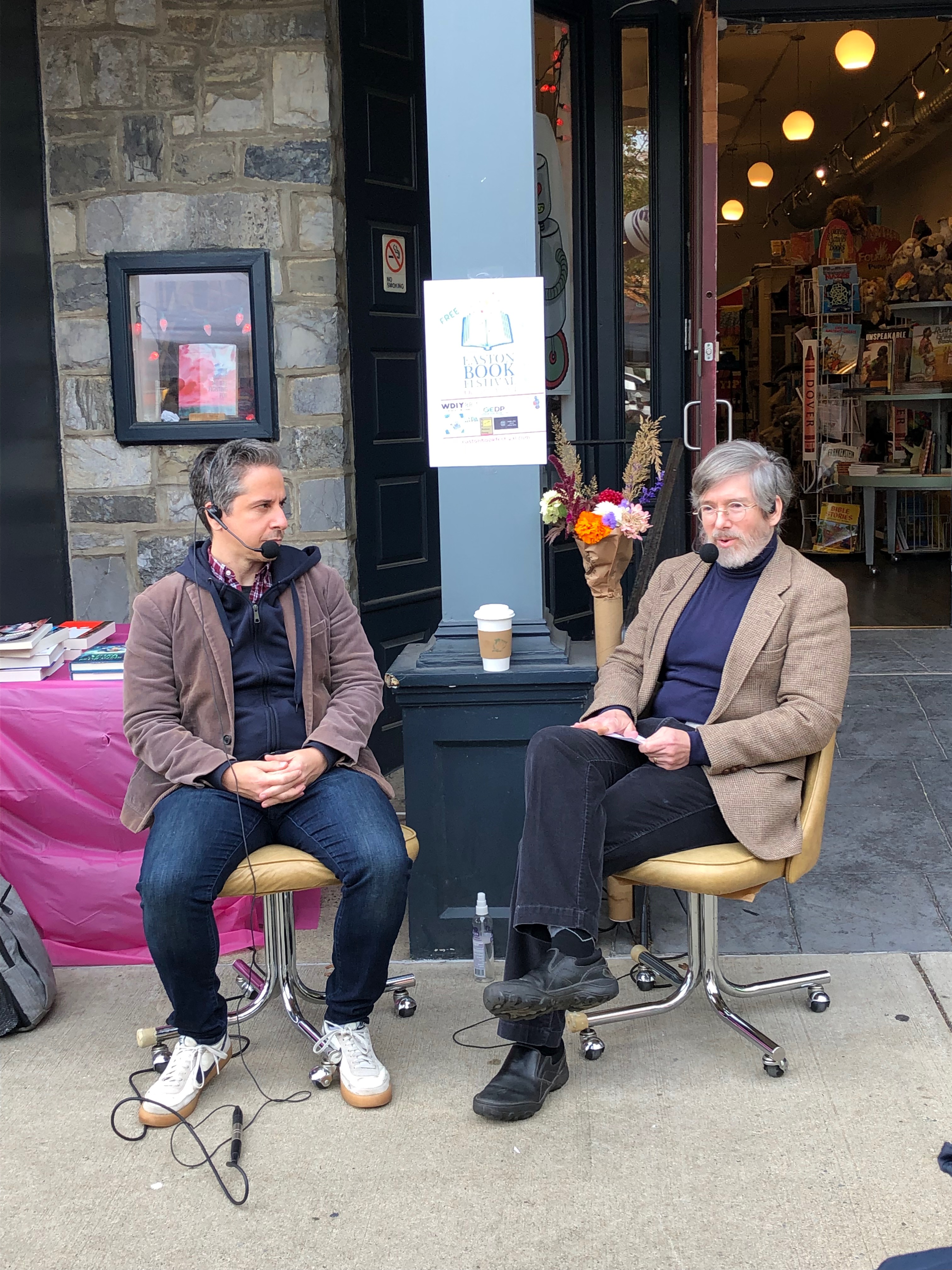
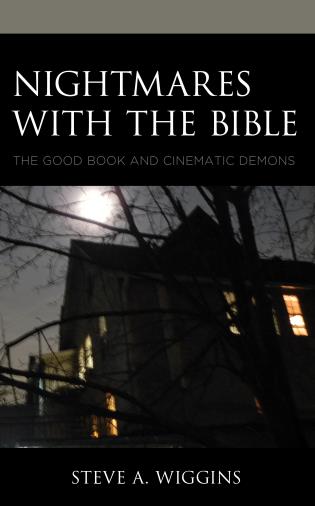
A day with books.  Is there any better kind of day?  Before I lapse into poetry I want to put in one more plug for the Easton Book Festival.  Today is the last day for this year, but keep an eye out for next October.  And you can still catch the videos from this year’s session on the Festival website.  Writers can be skittish creatures, you see.  We spend time alone and try to get our thoughts into words.  We don’t always have regular gatherings.  That’s what makes book festivals, well, festive.  I didn’t want to appear in person to plug Nightmares with the Bible—it’s too expensive.  As a friend said, “What’d you do to make it that expensive?”  I was glad, however, to be in person to interview my friend and colleague Robert Repino.  The interview will be posted on the Festival website.

An unexpected pleasure is finding acquaintances that you didn’t know were writers.  As I said, some of us spend most of our time alone.  And even for someone who spends so much time with words it’s difficult to describe the species of euphoria that talking about books evokes.  It makes me wonder why we don’t do it more often.  Since the pandemic is still with us—the pandemic that interrupted the natural progression of the Book Festival, which began in October 2019—in person events were held outdoors.  It was a bit on the cool side yesterday, with some sprinkles of rain, but few sensations match spending a day outdoors in October.  If you’re not in this area, please support your local book festival.  If you don’t have one, maybe talk with your independent bookstore owner.  It can happen.

As I’ve mentioned before, many of us who write make very little money at it.  When people ask why we do it, pointing to events like the Book Festival supply the reason.  Call it fellowship, or communion, or just a gathering of the hive mind, but finding the other book lovers in your community is a worthy way to spend a Saturday.  Book and Puppet has the distinction of hosting the event, with support from Lafayette College and a few local sponsors.  It’s also the only bookstore in which I’ve seen my actual books on the shelf.  I know it’s a sacrifice to order stock that moves slowly.  Halloween, however, is nearly here and that’s the crowd for whom I tend to write.  Why not spend a day with books?  It’s the best kind of day.


Skin In

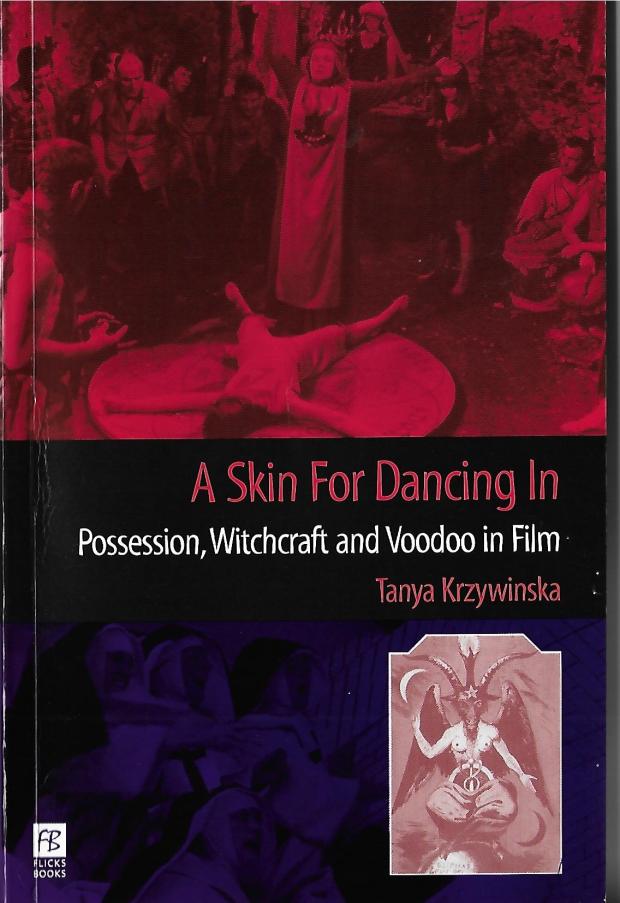
It took me back to my younger years.  Tanya Krzywinska’s A Skin for Dancing In: Possession, Witchcraft and Voodoo in Film.  Wide ranging and insightful, this book was a delight to read.  Published in 2000, it discusses many movies that I watched in the eighties and which had somehow managed to be overrun by other stimuli since then.  I like to think that, even if recall isn’t instant, that we never truly lose the books we’ve read or movies we’ve watched.  (Some we may wish to forget, but that seems a sure way not to achieve that goal!)  As her subtitle says, Krzywinska’s book analyzes possession, witchcraft, and voodoo.  Since there are so many examples of these the discussion has to be selective, but she’s got a keen eye for choosing evocative films.

As any of my regular readers know (both of you!) I don’t really review the books in my “reviews.”  I limit myself to about 500 words and I don’t like to give spoilers.  A Skin for Dancing In would require quite a few words even to summarize.  Krzywinska covers demonology, possession, sacrifice, paganism, witchcraft, voodoo, and more, in several movies.  What really struck me in reading this was that she comes to a similar conclusion to what I’ve found—people learn about these things through film.  Scholars tend not to write much about such things (although this has improved somewhat since the turn of the millennium).  The average person doesn’t read academic books, and since culture has become “rational” there’s not much talk about such things from discoursing heads.  Still, movies.

These topics make for great movies.  One of the points I’ve made in my own work is that what we know about demons comes from the cinema.  It seems that we should pay close attention to what movies tell us.  They’re the “public intellectuals” that many academics want to be.  A Skin for Dancing In is a good example—it’s compelling, if a little academic, but very hard to find.  It’s difficult to lead public discussion if your book is limited to university libraries and those who have access to them.  Of course, you don’t need a talented scholar to tell you how to watch a movie, but I was reminded here of many films I thought I had forgotten.  And what’s more, I have a deeper understanding of how they fit into the larger world of cinematic possession.  This is one of those books I wish I’d found sooner.


EBF

The third annual Easton Book Festival is underway.  As part of it Eric Ziolkowski, the chair of the Religious Studies department at Lafayette College, interviewed me about Nightmares with the Bible.  You can watch the interview here.  And be sure to check out the other offerings of the EBF—it’s hybrid this year so much of it is online for those who can’t make their way to Easton.  We’re all looking forward to the day when the festival can be in person again, as it was in 2019.  As part of tomorrow’s program I’ll be interviewing my friend Robert Repino about several of his novels.  That event will be live and outdoors, but I suspect it will be posted on the festival website later.

The EBF is a shining example of what books can do for a community.  People have been turning back to books with the pandemic.  Those of us in the publishing industry are keeping an eye on this.  While academic usage has shifted to electronic, the wider market has been favoring print books because, well, people like books.  Andy Laties, one of the proprietors of The Book and Puppet Company, has spearheaded efforts to continue this celebration of books even as a pandemic has changed the way we do everything.  Easton isn’t a huge city, but the Lehigh Valley is a book-friendly place.  When the will to organize book lovers exists, wonderful things can happen.  Books can build a community as well as be a community.

A friend recently said that the problem with writing books is that too many people do it.  I don’t see this as a problem.  Many self-published books do far better than those I’ve sent through more traditional channels.  They may put pressure on traditional models, but pressure isn’t always bad.  The route to publication is actually full of roadblocks—some accidental but many intentional.  One of the largest barricades is the fact that the publishing industry is a rather small one.  Major publishers have been monopolizing for years, bigger companies buying out successful smaller ones, so that the highway to publication now has many toll booths that require exact change.  There have always been those who can find their way through by an alternate route.  There’s nothing wrong with wanting to be part of the conversation.  If you’re near Easton come on out in person—bring a mask—and see what’s happening tomorrow.  If you’re not in the area take a look at the free content online.  I’m sure you’ll find something you like.


Interview Two

October turns the northern hemisphere mind toward Halloween.  It must be strange to receive northern media while living in the global south—Halloween occurs just as spring is getting underway.  I guess that’s what May Day’s for.  In any case, in the United States Halloween thinking is in nearly full swing.  My last two books, while not Halloween themed, look at horror films which, in keeping with October, are on everyone’s mind this season.  And it’s been quite a week for interviews.  The second half of my podcast interview on The Incarcerated Christian was posted yesterday.  If you want to hear more fun Q & A with Robin and Debra, click here.  I’ll post more about this Friday, but tomorrow my interview with Eric Ziolkowski of Lafayette College will air as part of the Easton Book Festival.  The festival’s going on right now, so be sure to check out the offerings online.

One bit of advice that I give as an editor: if you want to make it as an author you need to promote your own work.  Some of us were reared to believe that it’s in poor taste to do this, but in the internetted world it’s pretty much a requirement.  Something I learned from political activism is that every election is local.  Getting noticed also has to start in your own backyard.  I love doing interviews.  It’s always flattering to know that someone’s read your book and wants to know more about it.  I’ve started to explore the newish area of religion and horror.  From what we see in the news, it seems like it’s an area that’s likely to take off.  But only if those who work in it get their stuff out there where it can be seen.  (Or heard.)

Neither Holy Horror nor Nightmares with the Bible have sold very well.  They’re expensive, and academics, who will spend money on books, are still trying to decide if this area’s worth exploring.  I admit that there’s a puerile kind of naughtiness to taking monsters and “low brow” entertainment as a subject of study.  Horror, however, has lots of fans.  Perhaps not in the academy, but in the real world.  I like to think such marginal areas bring people together.  Horror, like demons, isn’t going away any time soon.  Instead of running away from what you fear, why not try embracing it?  If not even that, please consider the free content available on The Incarcerated Christian and the Easton Book Festival.  After all, Halloween’s just about here…


Kindred Spirit?

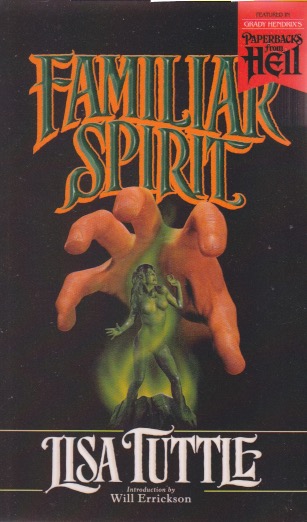
Possession stories have a poignancy to them that perhaps other horror stories lack.  The loss of self-control is a frightful thing.  Lisa Tuttle sets this up well in her novel Familiar Spirit, a tale that has recently been reissued.  The threat against a young women—the usual target of possession—leads to some scary moments here.  As the story unfolds Sarah has to deal with personal loss as she learns that the house she’s just rented is inhabited by an unfriendly spirit that seems to be a demon.  This is a haunting story that features a strong protagonist who ultimately has to decide what she really values most.  It’s a book that stays with you.

I discovered Tuttle by reading a book on female horror writers some time ago.  One of the points I make in Nightmares with the Bible is that female victims of possession match Poe’s dictum about the most poetic topic being the death of a beautiful woman.  That may sound sexist to modern ears, but Poe was a product of his time and he was a keen observer of what made stories memorable.  Possession has largely become a female phenomenon over the centuries.  The biblical stories about possession tend to have male victims, but by the Middle Ages the balance had shifted.  That gender imbalance continues today.  A friend recently asked whether shifting awareness of the gender as not strictly binary might change this in the future.  It’s a fascinating question, especially since we really don’t know what demons are.

Possession is a clash of the unknowns, which is fertile ground for fear of the unknown.  Feminist studies have begun to share space with studies of masculinity and both have been joined by analysts who study gender as nonbinary.  I suspect many of us really didn’t know about such things before the internet began to bring them to our attention.  Many people don’t want to accept such facts.  The world is easier to live in when everything is black or white, male or female, this or that.  Most things, we’re beginning to learn, are on a scale.  Human society, as it takes this into account, will inevitably, if slowly, change.  The old guard (angry white men, mostly) refuse to accept facts, trying to equate them with the person with the loudest voice.  This too is a kind of possession.  I don’t want to give too many spoilers for Familiar Spirit, but if you’re like me it’ll give you many things to think about.