The End of the Gods

RagnarokHovering somewhere between fiction and fact, A. S. Byatt’s Ragnarök: The End of the Gods is a compelling reimagining of Norse mythology. Starting in childhood, the stark and bleak icons of a world where even the gods die captured my fantasy in a way that the more real myths of my own faith did not. Like “Greek mythology” the tales of the Norse don’t come in an authoritative canon. Like the tales collected by the brothers Grimm they are bits and pieces that Byatt brings to life with honest description and the willingness to trust the outlook of a child. Mythology is too often castigated as puerile and of no inherent worth. We would not, however, be human without it.

I suspect we all secretly envy the gods, begrudging them their strength, but especially their immortality. Most myths admit that gods might die, but often they come back or become greater for their demise. Ragnarök is the final death of the gods. In fact, it isn’t so far from the “heat death of the universe” that some scientists warn us is surely coming. All good things come to an end. Even gods. The Christian God, who becomes omnipotent, omnipresent, and omniscient over time, loses something of his likableness for it. Vulnerability lends us a sense of sympathy. Who cannot help but weep for Balder? Odin, the God hung on a tree, dead and brought back to life is swallowed by a wolf. Even mighty Thor succumbs to the poison of the serpent. The world feels impoverished for their loss. Victorious gods have a way of making warriors of their worshippers. Maybe we have something to learn from the gods of the folk.

Mythology is out of fashion among academe. The only money it brings in is from the movies it inspires. Truth may be had for bargain basement prices, so why pay to learn what makes us believe in the impossible? Reading of the end of the gods instills a kind of inspiration that orthodoxy only smothers. No, these deities never really lived. These events never really happened. Still, humans have always found mythology to be uniquely satisfying. Ragnarök explains a chaotic world where our ideas of justice and fairness are often left disappointed. As Byatt points out, Loki is a compelling figure perhaps because he represents what we all know to be true—visions of control are only delusions. In a world with one, monolithic, monotheistic God, we find things hard to explain. Postulating a world where the gods know that they too face an end, even if only in fiction, may help us better understand a world where facts just don’t add up.
School Bible

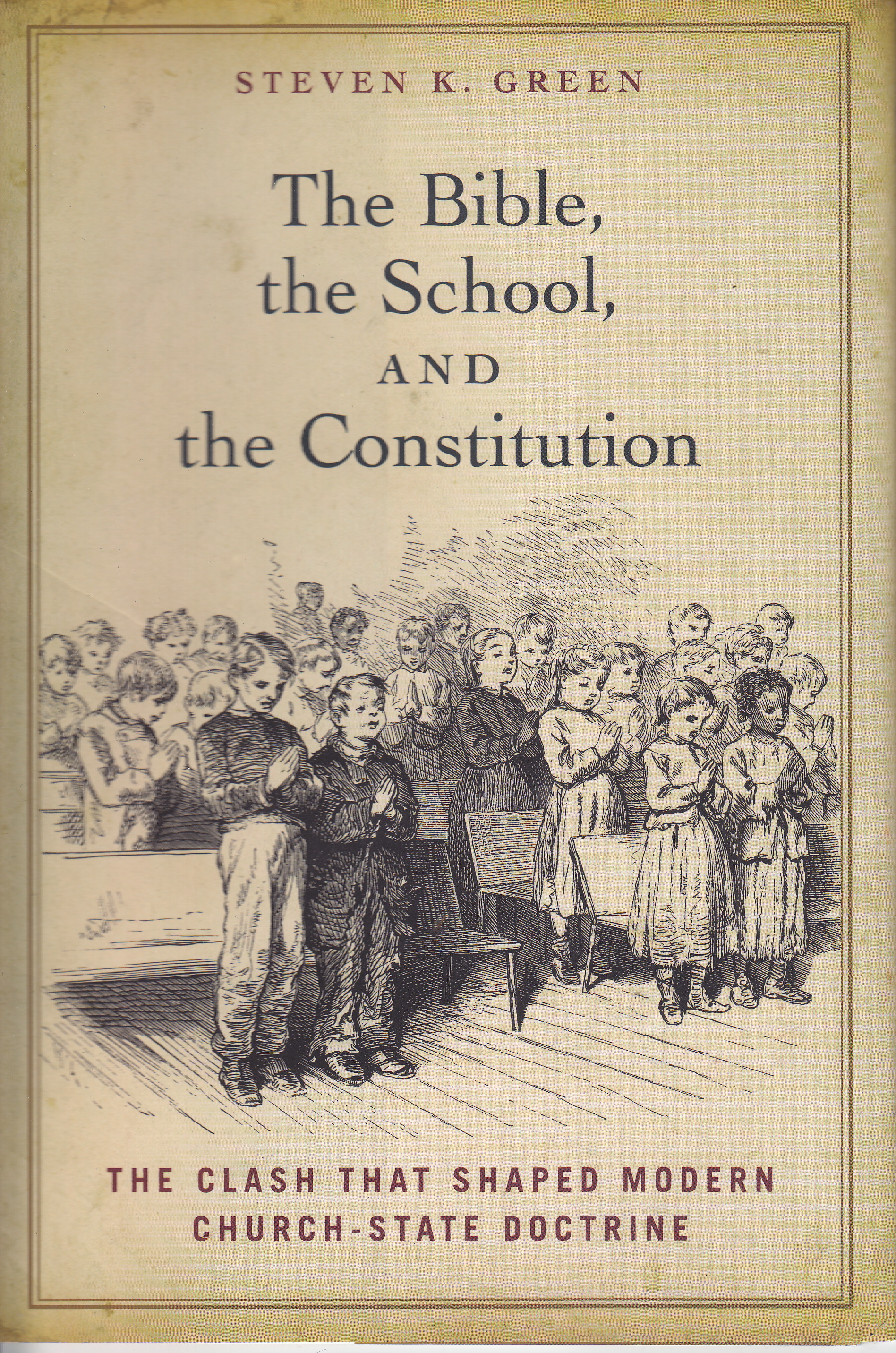
BibleSchoolConstittnAs a very young scholarlet, I recall the horror expressed when some form of prayer was expelled from public schools. It had to have been in the late ’60’s. Maybe early ’70’s. The nation, it seemed, was headed for Hades in a hurry. Little did I know that this was part of a long, drawn-out—tired, even—battle. Steven K. Green’s The Bible, the School, and the Constitution: The Clash that Shaped Modern Church-State Doctrine gives pretty close to the full story. Bible reading in public schools was foundational, in the beginning. In the early days of public education, the Bible was ubiquitous. It was considered non-sectarian since practically everyone was a Protestant. When the religious mix of the country began to diversify in the mid-1800’s, a new dynamic emerged. People got upset. There were riots. People were killed. Legislation was proposed that would explicitly add God—Jesus even—to the Constitution. Who knew?

Green’s study takes a close look at the various cases that arose around the time of the Civil War regarding the Bible in school. Protestants, it seems, didn’t appreciate that Bible reading, in the King James Version, without comment, violated Roman Catholic policy. The first to challenge Bible reading in public schools were Christians. Secularists only joined the fray later. I’m oversimplifying, of course. Some Catholics wanted equal time, the reading of the Douay Bible instead of King James. Others wanted Catholic schools to receive state funding. Nobody was really aware of other religions such as Hinduism or Buddhism. It was a country of limited religious imagination. Various groups tried in various ways to get God—their God only—into schools as the default deity. And so the fun continued.

For me, it was eye-opening to realize that all of this isn’t new. The legislation, since long before my grandparents were born, has been heading in the direction that led to the aggrieved tears in my youth. Green points out, however, that the conflict has never been completely resolved. School vouchers and a long spate of evangelical presidents have had their impact on our children. The Hades that we feared has only come with the weaponizing of our culture, largely by those who want Bible reading back in the schools. The thing we fear finds us through the thing we love. Ironically the issue never seems to be education. God or guns—it’s the power that we want. The early debates revolved around morality. How could kids be moral without Bible reading? How the definition of morality has changed. We, as a nation, still can’t figure out religious freedom or how to let kids be kids.


Something Lost

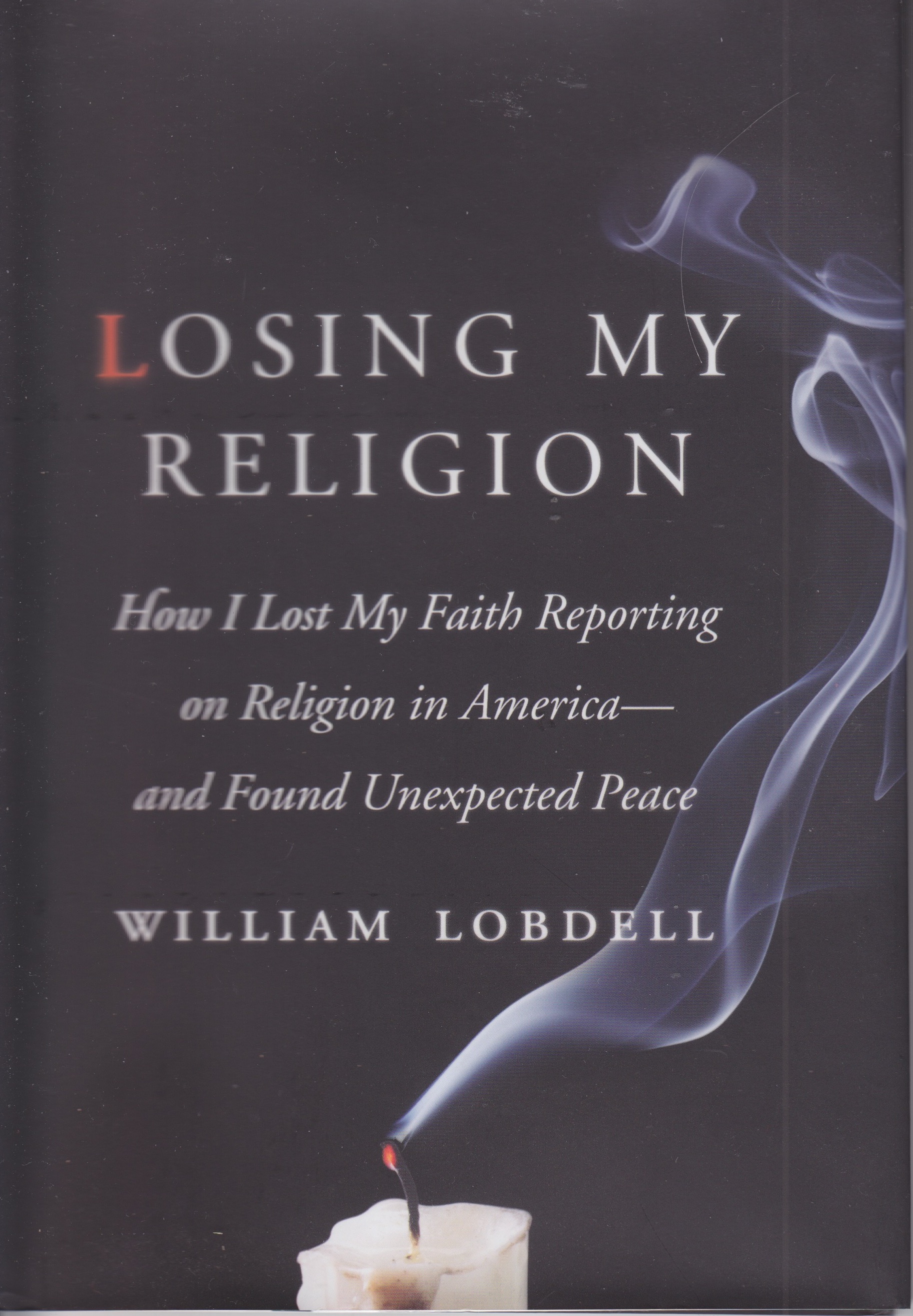
LosingMyReligion“Losing my religion,” I learned some time ago, means “going crazy” in some regions. It was that REM song that made me look it up. Losing My Religion, by William Lobdell, is much more literal. Having a hunger for spiritual memoirs, even if they end up with non-belief, has become an avocation for me. Growing up religious and having paid a pretty steep price for it throughout my career, I feel a bit like I’ve just risen from the analyst’s couch after a particularly helpful session. Here are people baring their innermost selves, trying to make sense out of a world that doesn’t add up. So it was for Lobdell. Since he was a religion reporter for the Los Angeles Times, his is the compelling story of a specialist who’s seen through the veil. His honesty is disarming. When I read such memoirs the question in the back of my mind is always, “what did it?” What pushed a believer over the edge?

By far the majority of these confessions I’ve read are those of women. Since religions have historically treated women poorly, it stands to reason that they might have second thoughts about what they’re being saved from. Lobdell, on the other hand, narrates what brought him to Christianity in the first place, and what forced him to conclude that it was wrong. Going the well-worn path from evangelical to mainstream Protestant to Catholic, he was seeking greater depth at each stage. Then theodicy. Theodicy is a god-killer. No matter how we frame it, there is no acceptable reason for good people to suffer needlessly. Out primate brains simply reject it. That’s not to say that for some faith can’t overcome such persistent doubts. It’s always a struggle, however, and, as Lobdell points out, not everyone is capable of believing what their mind tells them makes no sense.

One thing that stands out from all the spiritual memoirs I’ve read is how religion has such a difficult time explaining suffering. I suppose here’s where eastern religions generally have a stronger starting point. By acknowledging that life is suffering, they ask what we can do about it. Western religions, which often extol the good life, run into problems when theodicy hits. It’s almost as if the concepts can’t keep up with the realities of day-to-day life. Religions are often part of the culture you inherit, being born where and when you are. They also reflect belief structures from the age in which they emerged and those structures evolve over time. Today’s Christianity shares ancient concepts with the first century, but also modern sensibilities about psychology, culture, and philosophy. It can be a difficult mix, not least because it’s artificial and synthetic. As Lobdell notes, he isn’t alone in all this. It is, I might suggest, one of the reasons that studying religion is so important, even for those who do not believe.


Teaching Vampires

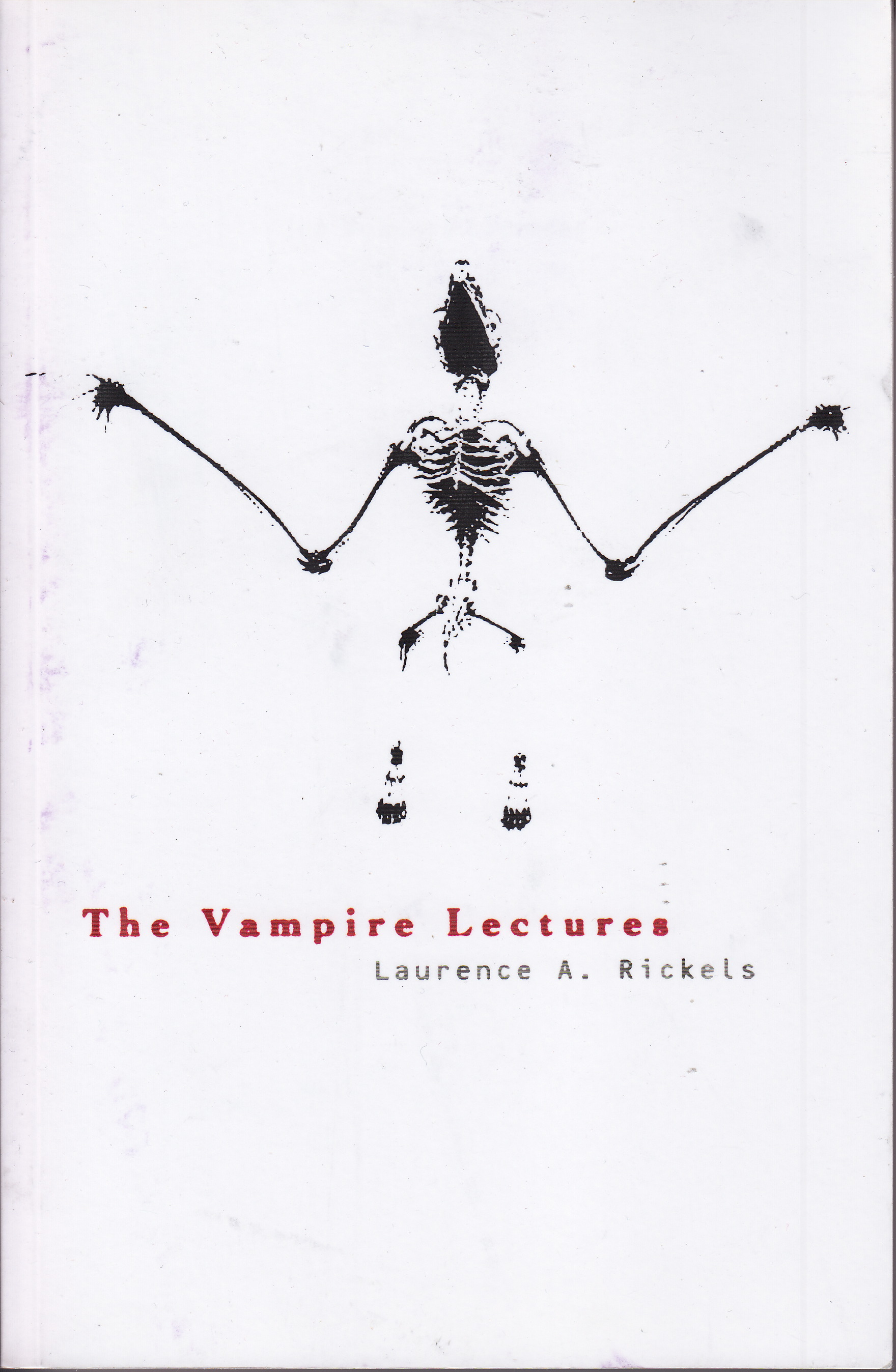
VampireLecturesWhat do you get when you cross German literature, psychology, and the undead? The Vampire Lectures, of course. Laurence A. Rickels, one gets the feeling, must be one interesting guy in the classroom. When I was a student the thought that anyone would take vampires seriously enough to offer college credit to study them was, well, a foreign concept. We all know that there’s no such thing as vampires, or werewolves, or Frankenstein’s monsters, or mummies—wait, mummies are real, but just not animated. In the reigning cultural paradigm, if something’s not real, it’s a waste of time. The human psyche, however, disagrees. The fact is there’s an awful lot of mental baggage that the vampire addresses. So much so that the University of California at Santa Barbara can offer a twenty-six lecture course on the topic. The results are what we have in this unusual book.

Rickels has read widely in the literature of the undead. The vampire’s share of the material goes to Bram Stoker’s Dracula, the novel that defined, in many ways, the modern concept of vampires. The lectures do cover earlier and later literary representations, but when movies began to be made, they started with Stoker. One of the most interesting aspects of the lectures is the utter breadth of movies Rickels addresses. Movies that I’d never heard anyone else mention, let alone analyze, are here, alongside the more famous examples. It becomes clear that vampires have been a favorite of film-makers as well as readers. Culturally they are omnipresent. One gets the impression that Rickels might have an inkling of why we have this fascination, although his analysis is often Freudian, he does come back to the concept of mourning. Vampires (who would’ve guessed?) mask our unresolved sense of loss.

The style of The Vampire Lectures reflects the kind of literary criticism that isn’t always easy to follow. The book has more puns per hour than any other academic title I’ve ever read. Perhaps such serious topics as loss, parental relationships, and sexuality require a good dose of humor to make them less overwhelming. Still, the puns show the shifting nature of the ground beneath your feet when you try to take a topic like this seriously. Not surprisingly, Rickels does spent some time reflecting on the religious nature of vampires. There’s no question that monsters trespass on—or maybe even arise from—sacred precincts. They also occupy similar mental spaces. Perhaps it’s no surprise that as the number of nones grows so do the fans of monsterdom. We need an outlet for our surfeit of fear and loss. Come to think of it, perhaps I need to take a class in this as well.


When under Rome

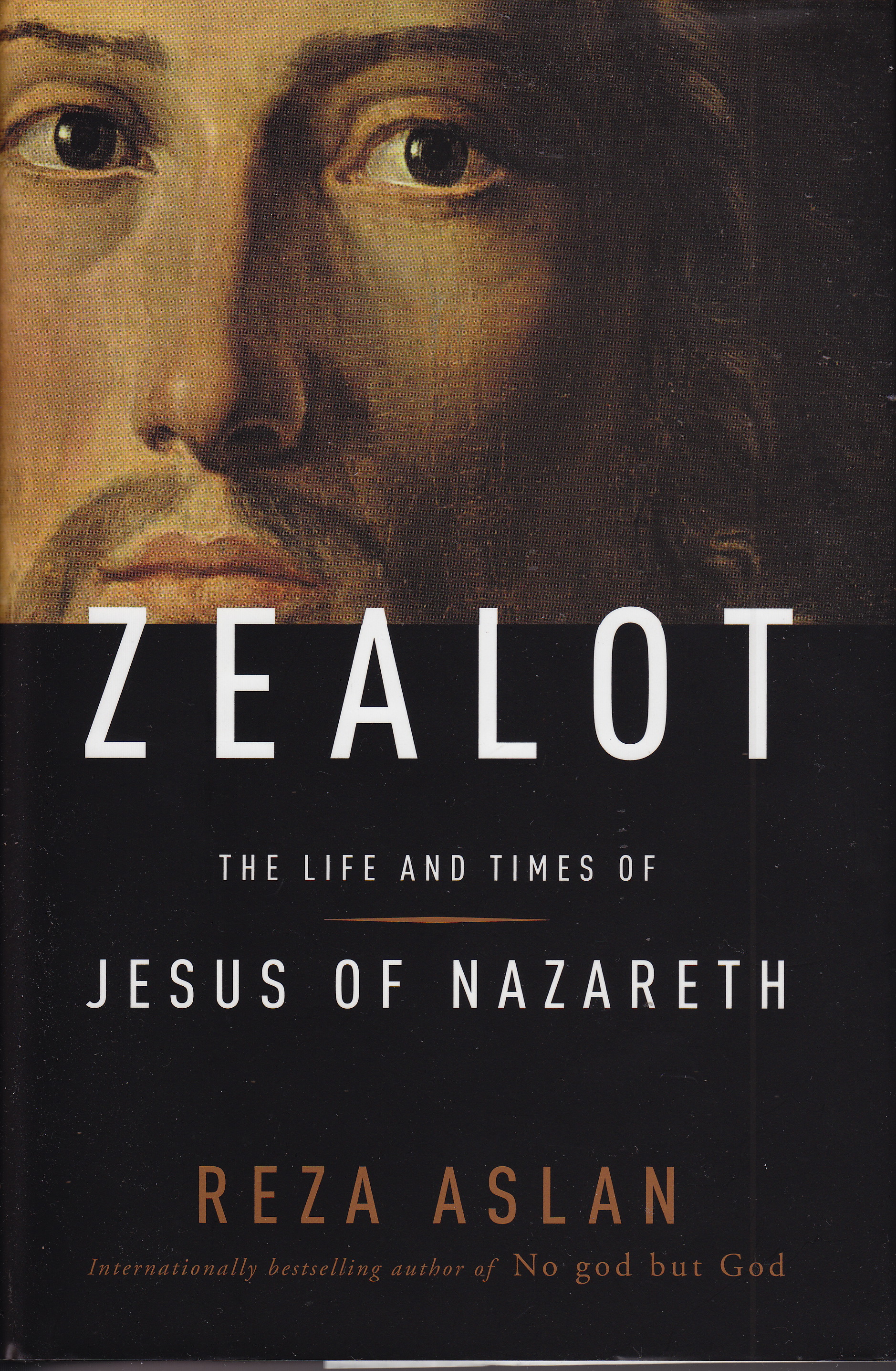
ZealotA question that has no answer: who was Jesus of Nazareth? Well, no single answer, anyway. When Reza Aslan’s Zealot: The Life and Times of Jesus of Nazareth came out, there was uproar. (Something, by the way, that publishers love.) How could someone suggest that not only do the Gospels disagree, but that they’re not even literal when they do? For those of us who’ve studied the Bible academically, there’s nothing too surprising here. Aslan’s perspective is often refreshing, even if he makes some basic errors (those of us who study the Hebrew Bible are pretty forgiving). For me, having the social circumstances of the New Testament spelled out in terms of the intense unrest of the first century explained a lot. It was a period of unremitting violence and frustration on the part of those coming to grips with life under Rome. Jesus was born and came of age when any outré idea could easily get you crucified. When it happened in his case, it was, as the Gospels point out, fully expected.

What might bother many readers is that Aslan doesn’t accept the story at face value. Jesus wasn’t unique as a healer, revolutionary, or messiah in first-century Palestine. In fact, Rome’s appointed rulers grew tired of such sons of gods that thousands of people were nailed up to warn others of the costs. Still, unlike the others, Jesus remained in contention even after his death. The belief in the resurrection didn’t hurt. Since Aslan is writing history, he can’t judge whether the resurrection or the healings actually took place. The traditions, he notes, are strong. He is surely correct that the Gospels aren’t attempting history. Written well after Christianity was already established, the writers had theological templates at their disposal. Not only that, they also had Paul.

Something I’d never considered was the dispute between Paul and the Jerusalem church. Yes, I’d noticed the stark contradictions between the letters of Paul and the one of James, but seeing the underlying conflict of those who knew Jesus personally (James, Peter, John) and Paul just never occurred to me. Paul doesn’t dote over the historical Jesus. His Jesus is divine from the start, and those who try to preserve Jesus’ words get in the way of the theology he’s developing. His letters express anger at those who teach what Jesus said over who he was, spiritually, anyway. Only with the destruction of Jerusalem was the way cleared for Paul’s gentile Christianity that eventually won out over Jesus’ teachings. It’s all very interesting, but I can’t buy it all. There are too many convenient connections here, and history abhors neatness. Nevertheless, Zealot is well worth reading. It tells an old story from a new perspective. And even if your Jesus is different from Aslan’s you’ll find something profound here that will only make your image stronger.


Brains and Selves

TellTaleBrainThe Tell-Tale Brain is an ambitious, yet humble attempt to find the self. V. S. Ramachandran is a neuroscientist with considerable psychology experience who is well equipped to take on, as the subtitle puts it, A Neuroscientist ‘s Quest for What Makes Us Human. The book will take you to some very strange places. And although he’s a scientist, Ramachandran keeps an admirably open mind. Right at the start he notes that he sees no reason for using “merely”s and “only”s when discussing brains and their realities. In fact, he knows that scientists aren’t qualified to answer the question of whether there is a god. Having grown up Hindu, he used to pray to many gods. A true scientist has no need to belittle beliefs. Belief, as Ramachandran demonstrates, is far more complex than most pundits would suggest. This is based on his close study of the brain and those to whom it has been less than kind.

Already in the first several pages it becomes clear that Ramachandran finds religion a useful trope. It illustrates something we all know. That doesn’t mean he (or you) has (have) to accept it, but we all recognize it. Studying how the brain works, in this book, means looking at patients with various disorders, most of which have tongue-twisting names, that are inherently fascinating. Phantom limbs, people who see the colors of numbers or feel the emotions of fabrics, or who can’t recognize their own mothers—all of these things really happen in the brains of intelligent people. For them these are reality. For Ramachandran, they can frequently be chased down to a neurological cause. And sometimes people even really think they’re God. One of the treasures of this book is to experience the non-normativity of western culture. The use of Indian art and religion as illustrations of what humans believe is refreshing.

Anyone who fears the loss of self take warning; we may not be who we think we are. Brain studies show that, in certain circumstances, brains can contain more than one self. Memories can be fabricated and the continuity that we call our life stories may well contain a healthy dose of fiction. Experiments on brains can change who we think we are. Descartes would, perhaps, go insane. Ramachandran doesn’t claim to have figured out the self, or consciousness. He may have ruled out some options, though. At the end of the book, however, he reintroduces the concept with which he started: science and religion. Quoting Darwin he shows that the main mind behind evolutionary theory refused to make an absolute declaration about the divine. Humility, it seems, may be just as effective in making converts as a Bible in hand. And to figure that out will take some brain power.


My Beloved Monsters

OurOldMonsters copyOnce upon a time I felt radical in claiming that monsters and religion shared a pedigree. Having grown up fascinated by Universal, as well as much cheaper and more tawdry, monster movies, I always experienced a twinge of guilt. My family was very religious, and these monsters were, well, evil, weren’t they? Yet I couldn’t let them go. Although college, seminary, and graduate school each took their toll on this early fascination as I was restructured as a more rational man, the monsters always lurked. In college a friend and I named an invented monster “the lurking.” In seminary and graduate school, demons and ghosts still captured my imagination. Brenda S. Gardenour Walter has, quite unintentionally, vindicated my outlook. Our Old Monsters: Witches, Werewolves and Vampires from Medieval Theology to Horror Cinema just about says it all. Not limiting herself to witches, werewolves, and vampires, Gardenour Walter has given us a novel thesis: monsters come from theology.

Well, not exactly. Medieval theology, as many of us learned in seminary, continued the ancient Greek practice of dividing the universe into four substances: air, fire, water, and earth. Each was associated with a humor in the human body: blood, yellow bile, phlegm, and black bile. Keeping these humors in balance led to healthy bodies. Gardenour Walter, who teaches history in a Pharmacology school, shows how monsters were often viewed against this paradigm. As she notes, this Weltanschauung was not friendly to women. Seeing man as the perfect, rational being, women were considered less rational and more controled by their base urges, leading to the concept of witches. Witches were also associated with demons at a later time, and there is a considerable discussion of that transition.

Vampires were often associated with black bile. Although there are vampiric beliefs going back to very ancient times, Gardenour Walter shows how the modern vampire indeed derives from medieval theology as eastern ideas met western. Unfortunately, in unenlightened times, the concepts were anti-semitically applied, with unwonted liberality. Werewolves were generally dismissed as illusions wrought by demons, although, there always remained an ambiguity. I have to admit not having known that even Augustine discussed werewolves in The City of God, which, it comes to mind, would make an excellent horror movie. The book brings each of these medieval monsters up to the silver screen and considers how their theological pedigree plays out in modern times. This is a book I would have enjoyed as a college student, but maybe, secretly, enjoy even more now as an adult.


Witnessing Angels

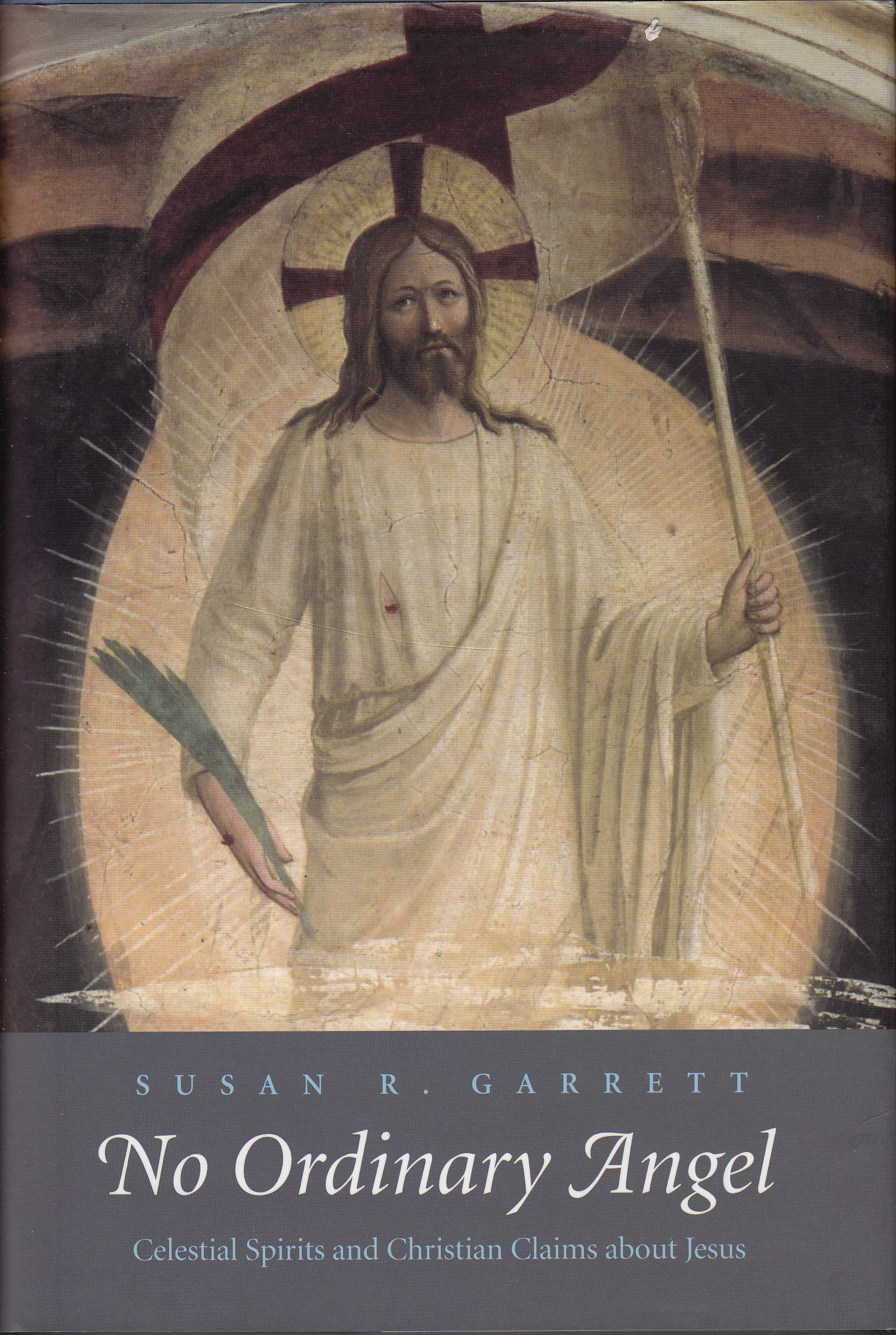
OrdinaryAngelBack in my undergraduate days, I wanted to learn more about angels. Surprisingly, there were no courses offered on the subject, even at evangelical Grove City College. When I finally took an independent study on angels, I found that few serious books had been written on the topic. I was immature as an academic, and I hadn’t learned that the subject of angels was a kind of scholarly embarrassment. Although many biblical scholars still clung to the idea of God, most had jettisoned angels along with other Medieval fabrications such as dragons and virgins. We inhabit a hardened, material world with no room for spiritual beings flitting about. As a student of ancient Near Eastern religions, I discovered angels possessed a hoary pedigree stretching back to Mesopotamia and perhaps beyond. Susan R. Garrett’s No Ordinary Angel opens the question again, and considers the many roles that angels have played and continue to play.

Subtitled Celestial Spirits and Christian Claims about Jesus, the book goes beyond the issue of angels per se, and addresses the distinctly Christian concern of how Jesus differs from them. What becomes clear in the reading of the study is that uniformity isn’t to be had. The earliest Christians already had divergent ideas on many concepts. As Roman Catholicism developed, angels attained a natural role in a world that still allowed mystery and shadows to exist. Protestants, the progenitors of much of science, cleared the closets of supernatural beings, leaving God and a table instead of the hosts of Heaven and an altar. I’m oversimplifying, of course, but there’s a sense in which the more liturgical traditions have more room for angels and demons. You don’t call a Protestant for a proper exorcism. Still, Garrett knows her stuff and shows how angels insinuate themselves into several aspects of sacred experiences of both Protestants and Catholics.

Angels come at births and deaths. They heal the sick, they protect people and they worship God. They rebel and fall, becoming Satan and his minions. Angels are, by their nature, liminal figures. They help to transition people between different states and worlds. As early back as written records, people believed in them. Outside of academia, people still do. God has become wrathful and distant in his old age and, well, you can talk to an angel without having to worry about vaporizing. In antiquity they were messengers. When God didn’t condescend to the earth, angels would come down. Now we get the sense that they’re more like us than we might have originally thought. Or maybe we’re more like them. Angels, even though they may have fallen out of academic fashion, are sure to endure longer than most weighty treatises, no matter how well footnoted they may be.


A Writer’s Life

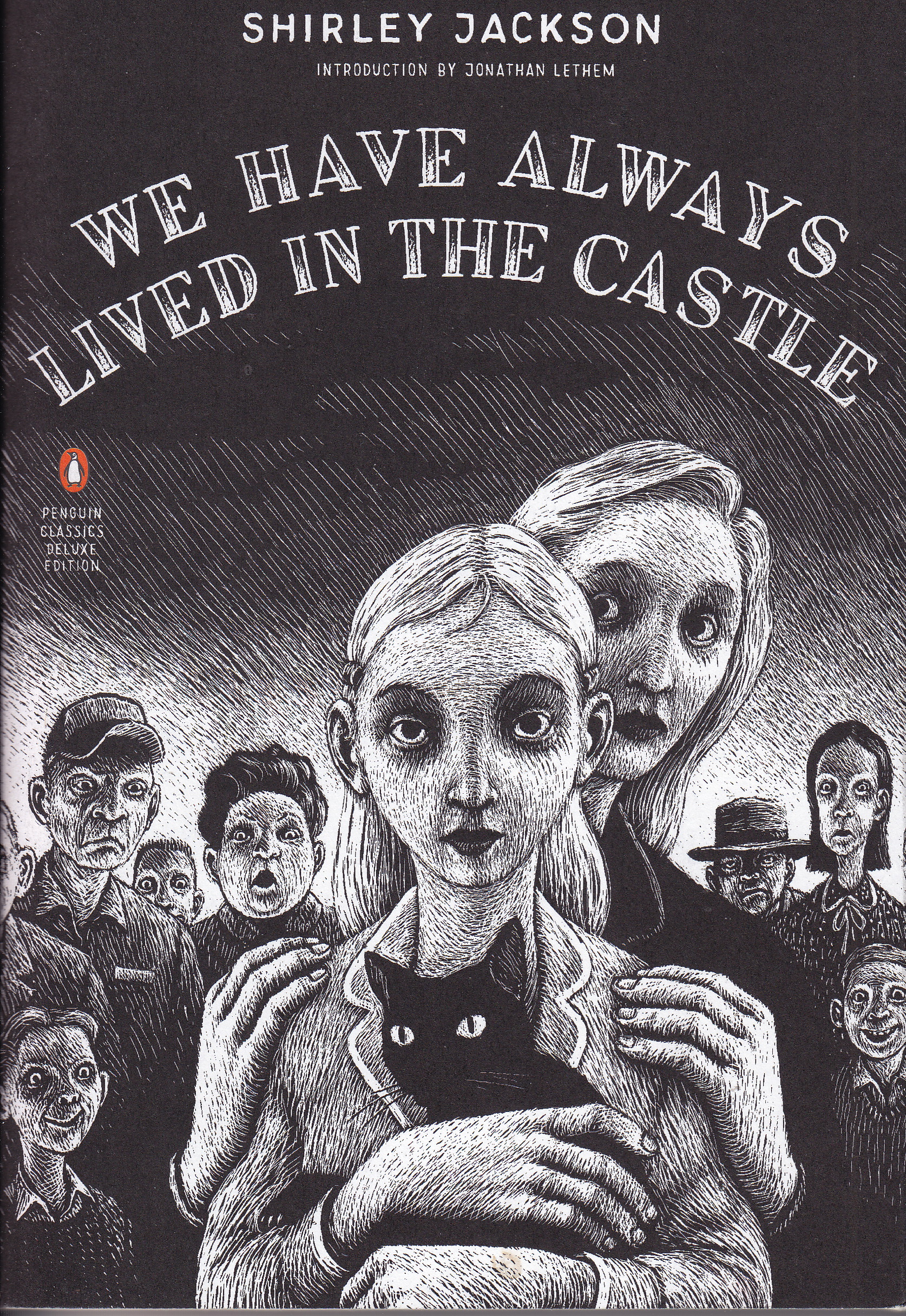
WeHaveAlwaysLivedSometimes, an experienced editor once told me, the author’s life is just as important as the book she’s written. I can’t pretend to know much about Shirley Jackson, beyond that she wrote compelling fiction and that her name is barely recognized today. Best known for her short story “The Lottery” and her novel The Haunting of Hill House, she didn’t match the output of more prolific writers and therefore, in a world driven by capitalism, didn’t receive much notice. Her work is difficult to classify. Not exactly horror, it is nevertheless unsettling by implication. There’s something wrong beneath the surface. Jackson apparently suffered neuroses for much of her adult life, and her ability to translate angst into literature has gathered her a following among fans of ghost stories. I just finished reading her last novel, We Have Always Lived in the Castle, a funny, quirky, and serious story about two young women who live alone and who, one suspects, are thought to be witches by the local population.

This little novel is difficult to lay aside for long. The characters of Constance and Merricat are too compelling to leave alone for any length of time. The fact that they are pariahs makes the reader want to ensure that they are safe as they remain carefully inside the home they’ve always known. Even though you know one of them murdered her family, you want them to be happy and secure, perhaps because the whole town is against them. I wouldn’t presume to say what Jackson meant by this story, but to me it seems a clear description of xenophobia by a woman who felt she was never accepted. Women being persecuted in New England always brings witch trials to mind. Although we don’t know why one of the girls killed her family, it is easy for the mind to fill in the blanks.

Although Jackson died prematurely, her work has influenced novelists such as Stephen King and Neil Gaiman. Uncompromising in her outlook, she allows her characters access to those strange places of the human mind where many of us wander from time to time. Merricat, for example, practices that sympathetic magic that we all, if we’re honest, admit that we attempt every now and again. Hoping in magic doesn’t make one a witch any more than prayer makes one a priest. We Have Always Lived in the Castle, although as old as I am, reflects a world in which reality can’t be pinned down. Assumptions are made and challenged. Protectors turn out to be exploiters, and the only ghosts are very human characters hated by the community in which they live. Still this is an uncanny tale, haunted by a reality that women still face in even the most progressive countries. Listening to their voices, even if from beyond the grave, may demonstrate just how much a writer’s life might mean.


Martian Ethics

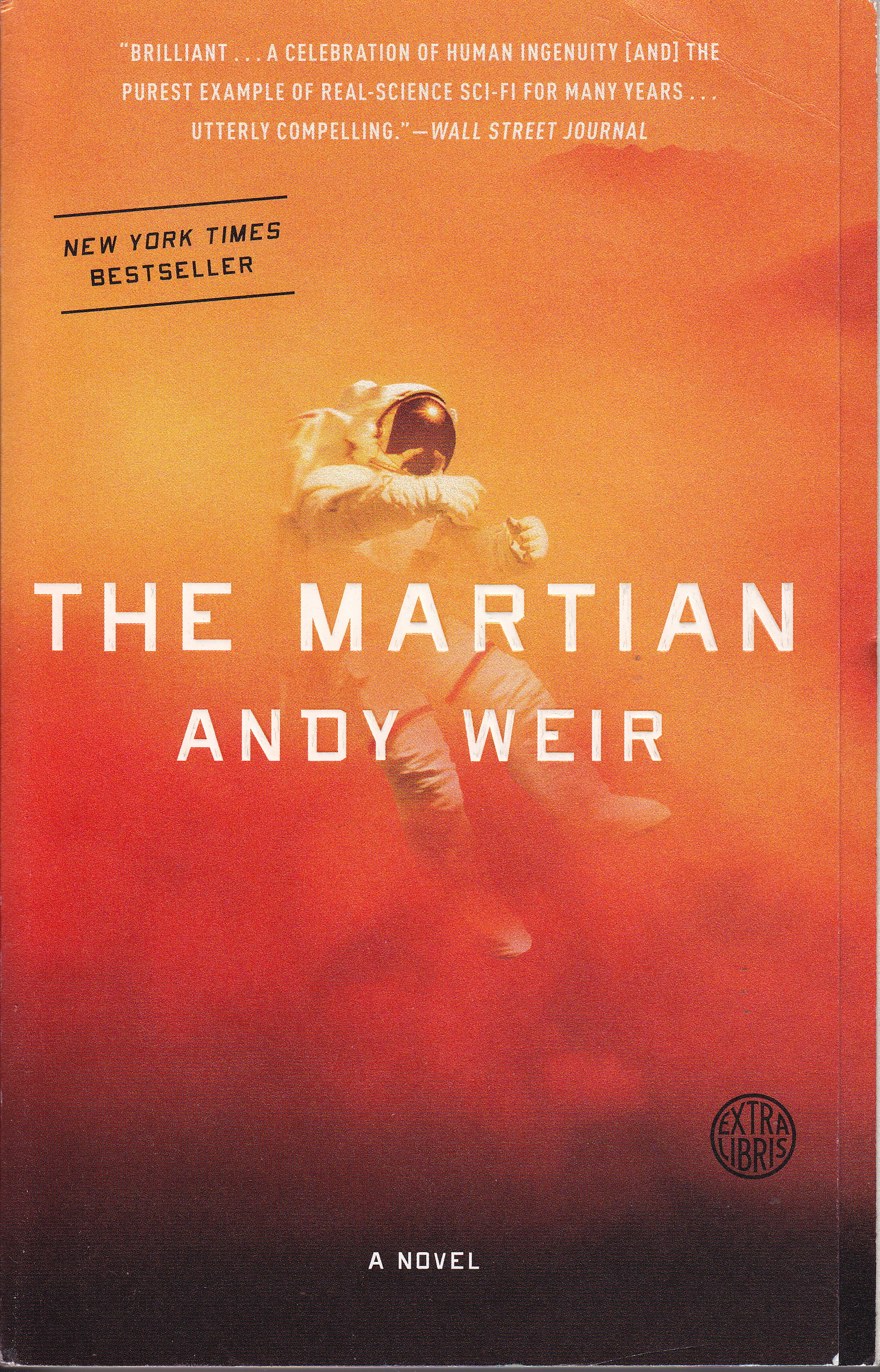
MartianIf you need a boot of optimism, look to Mars. Or, more specifically, read Andy Weir’s The Martian. Not that it’s the greatest literature ever produced, but it is a story brimming with humanity. Mark Watney is accidentally stranded on Mars. His crew-mates, in the midst of their multi-month-long return journey, adjust their course to go back for him. Naturally, nothing goes as planned. Although much of the story is far beyond the believability scale, Weir has the technical background to make it all sound plausible. As an engineer, Watney fixes most problems with an optimism that would leave many humanities specialists weeping in the dust. Time after time a potentially fatal situation develops that is solved by technological ingenuity. Relying on his will to survive, and good humor, the protagonist makes a remarkable journey across the surface of the Red Planet to a potential means of escape. I shouldn’t throw too many spoilers into this post since the book is fairly new. I will say it left me feeling good about being human.

Part of being human is thinking about larger issues. Often, throughout the book, Watney wonders about belief in God. Not enough to make it a main theme, but enough to merit mention on this blog. In a somewhat humorous moment, one of the mission controllers says that he’s Hindu, so he believes in lots of gods. In contrast, Watney, alone on Mars, has a vastly different perspective. Without divine intervention, or even any aliens, he finds a way to persevere when the Fates (or the author) have stacked the odds against him. Mark Watney believes in himself, and he believes in human goodness.

The decision of his crew-mates to return for him is one of potential self-sacrifice. There are no guarantees that they’ll survive. Nevertheless, there’s no second thoughts. When they learn Watney is alive, they decide to go back, no matter what might happen to them. The story awoke a strange optimism in me. Although people are capable of horrendous acts against each other and the planet, I do believe that we are basically good. The bad ones make it into the news. We could all be better, I’m guessing. Still, we will help others when we can, even if all we get from it is the good feeling that we’ve done the right thing. Unfortunately, the only people, it seems, that don’t have the best interests of others at heart are our politicians. Watching the posturing before the primaries I do have to wonder if one wouldn’t stand a better chance abandoned on Mars than in the land of the free. This may be one of the times, it seems, that trusting in human goodness might well be equated to a prayer.


Monster Impulse

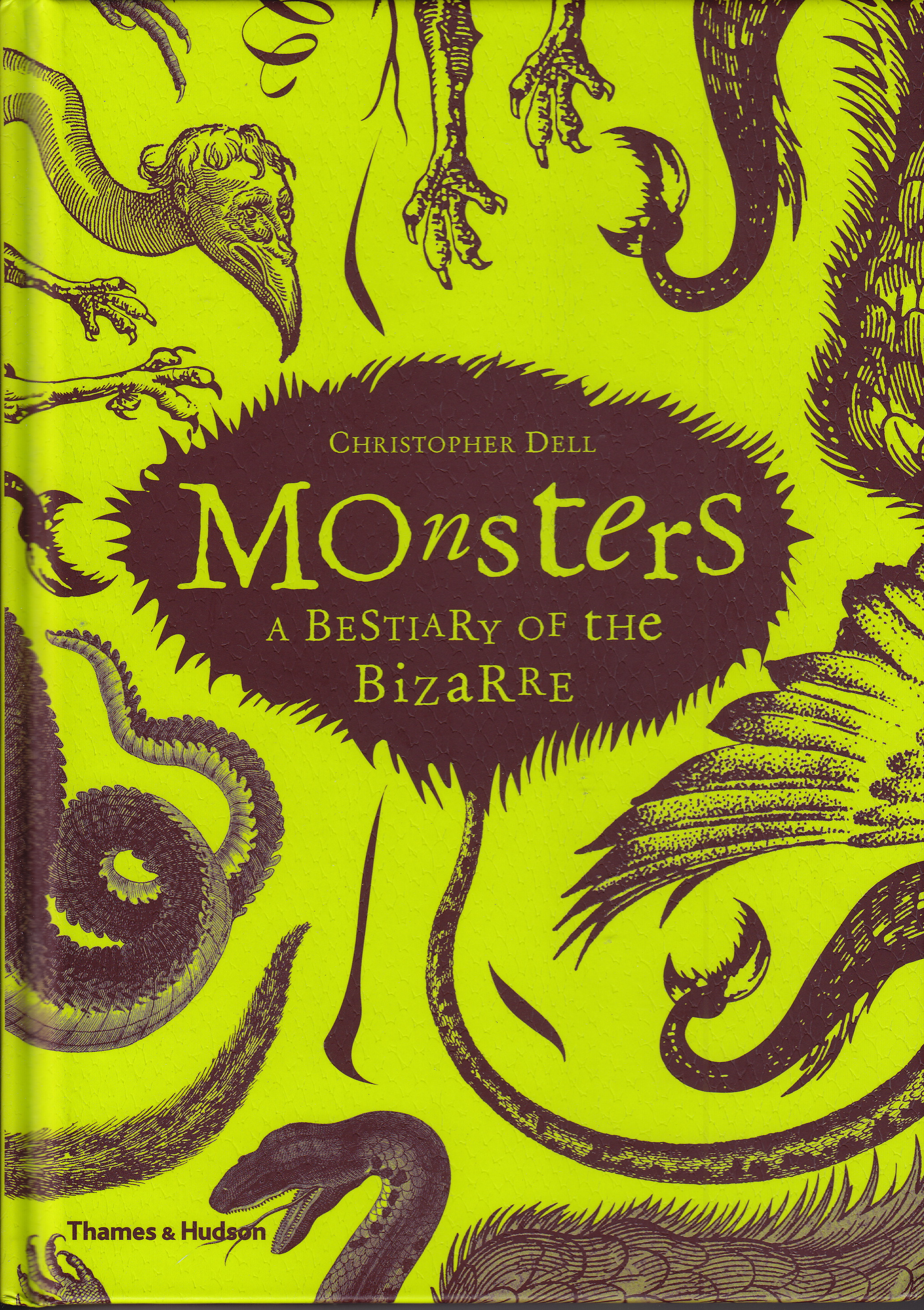
MonstersSome people are impulse buyers. In fact, retailers count on it. All those last-minute items next to the cash register while you wait your turn to consume—they beckon the unwary. I have to admit to being an impulse book buyer. I have to keep it under control, of course, since books are “durable goods” and last more than a single lifetime, with any luck at all. A few years ago I was in the shop of the National Museum of Scotland in Edinburgh. It was my last day in the city where I’d spent my post-graduate years and I didn’t know when I’d ever be back. What could help me remember this visit? A book, of course. Why I chose Monsters, by Christopher Dell, to mark this particular occasion, I don’t know. I love monsters, yes, but why here? Why now? Why in the last hours I had in my favorite European city? It was a heavy book, hardcover and unyielding in my luggage. I had to have it.

More of an extended essay than a narrative book, Dell’s Monsters begins with a premise that I never tire of contemplating: religions give us our monsters. At least historically, they have. There is an element of the divine as well as the diabolical in the world of monsters. As a student of art, what Dell has put together in this book is a full-color unlikely bestiary. These are the creatures that have haunted our imaginations since people began to draw, and probably before. One exception I would take to Dell’s narrative is that the Bible does have its share of monsters. He mentions Leviathan, Behemoth, and the beast of Revelation, but the Bible is populated with the bizarre and weird. Nebuchadnezzar becomes a monster. Demons caper through the New Testament. The Bible opens with a talking serpent. These may not be the monsters of a robust Medieval imagination, but they are strange creatures in their own rights. We have ghosts as well, and people rising from the dead. Monsters and religion are, it seems, very well acquainted.

The illustrations, of course, are what bring Dell’s book to market. Many classic and, in some cases, relatively unknown creatures populate his pages. They won’t keep you awake at night, for we have grown accustomed to a scientific world where monsters have been banished forever. And yet, we turn to books like Monsters to meet a need that persists into this technological age. About to get on a plane for vacation, I know I will be groped and prodded by a government that wants to know every detail of my body. Sometimes I’ll be forced into the private screening room for more intimate encounters. And for all this I know that William Shatner was on a plane at 20,000 feet when he saw a gremlin on the wing. Like our religions, our monsters never leave us. No matter how bright technology may make our lights.


Preacher’s Best Friend

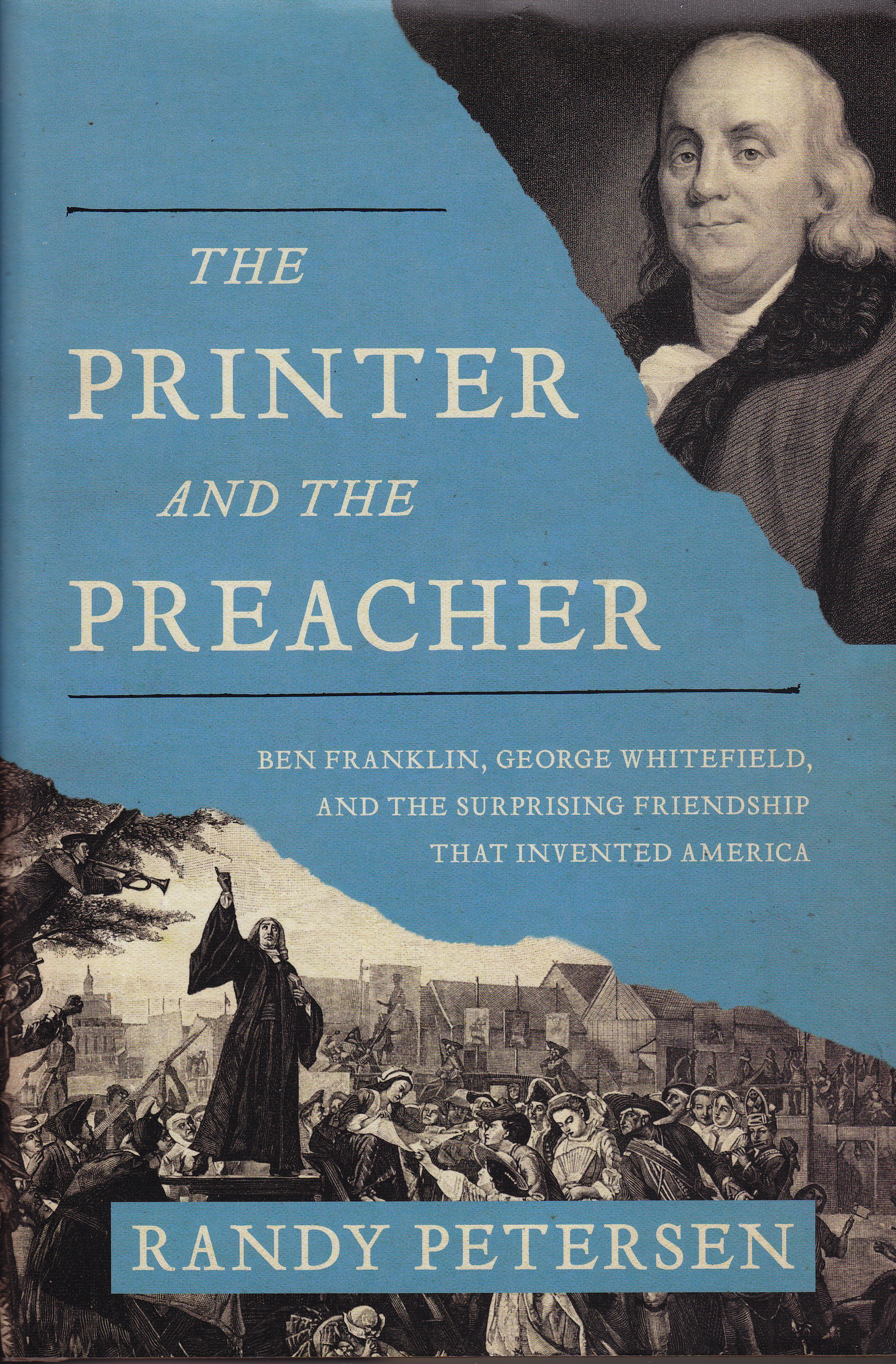
PreacherPrinterPerhaps it’s because I was born in Franklin, Pennsylvania, or perhaps it’s because everything I’ve ever read about him suggests he was delightfully unorthodox, but whatever the reason, Benjamin Franklin has always held my admiration.  Probably we all like to hear echoes of ourselves in the great.  It is difficult to believe that during his early rise to fame, Franklin was eclipsed by an unlikely superstar who was, of all things, an evangelist.  George Whitefield, an early English Methodist, wowed the colonies with his born again message, perhaps being responsible for its appeal even today.  Randy Petersen’s The Printer and the Preacher explores the unlikely friendship that sprang up between Franklin and the younger Whitefield.  While cataloguing early founders’ religious lives is always problematic, Franklin was a self-described Deist, and certainly not an Evangelical.  Whitefield was very into the personal relationship with Jesus idea that Franklin found, at best, simplistic.

Petersen’s book is a kind of wishful history.  He wants to see Franklin and Whitefield together, often suggesting that they might have met here or there, or that they might have discussed this or that.  The fact is, we have little to go on beyond the reality that the two knew and respected one another.  Whitefield stayed in Franklin’s house in Philadelphia.  Franklin printed and sold Whitefield’s best-seller sermons.  Certainly there was a good business opportunity here.  Even today the evangelical Bible market is a strong one.  Savvy businessmen and women know that a good living may be had from the Good Book.  You can’t read a book like The Printer and the Preacher without thinking that Whitefield and Franklin were a kind of odd couple.  Franklin is remembered as a man of wit and science.  Whitefield is barely remembered at all.  One of the first preachers to hire a publicity manager, Whitefield was the Joel Osteen of his day, raking in the accolades for being emotional in front of salt-of-the-earth colonials.  His oratory skills were legendary.  Even though he is honored as one of the founders of the University of Pennsylvania, he was no scholar and has largely been relegated to an historical footnote.

Petersen’s book is a quick read.  His writing is winsome in an evangelical way.  He assumes the truth, or so it appears, of the evangelical position.  Nevertheless, there is material to stop and ponder here.  Many of the questions can never be answered: why, particularly, did Franklin and Whitefield hit it off, for example.  On a more approachable level is the why of Whitefield’s faded flower verses Franklin’s perennial bloom.  The message of Whitefield simply doesn’t stand up to the experience of history.  Human beings—many of them born again—experience constant turmoil in their lives.  Franklin, on the other hand, was the consumate pragmatist.  His aphorisms are regularly mistaken for verses of the Bible.  Although others would have gotten there, we largely have him to thank for our harnessing of electricity, and even the birth of a new nation.  Whitefield’s spiritual descendants now rally to prevent stem cell research and the teaching of evolution.  Franklin’s children, illegitimate or not, reap the benefits of the lightning rod.


Night Terrors

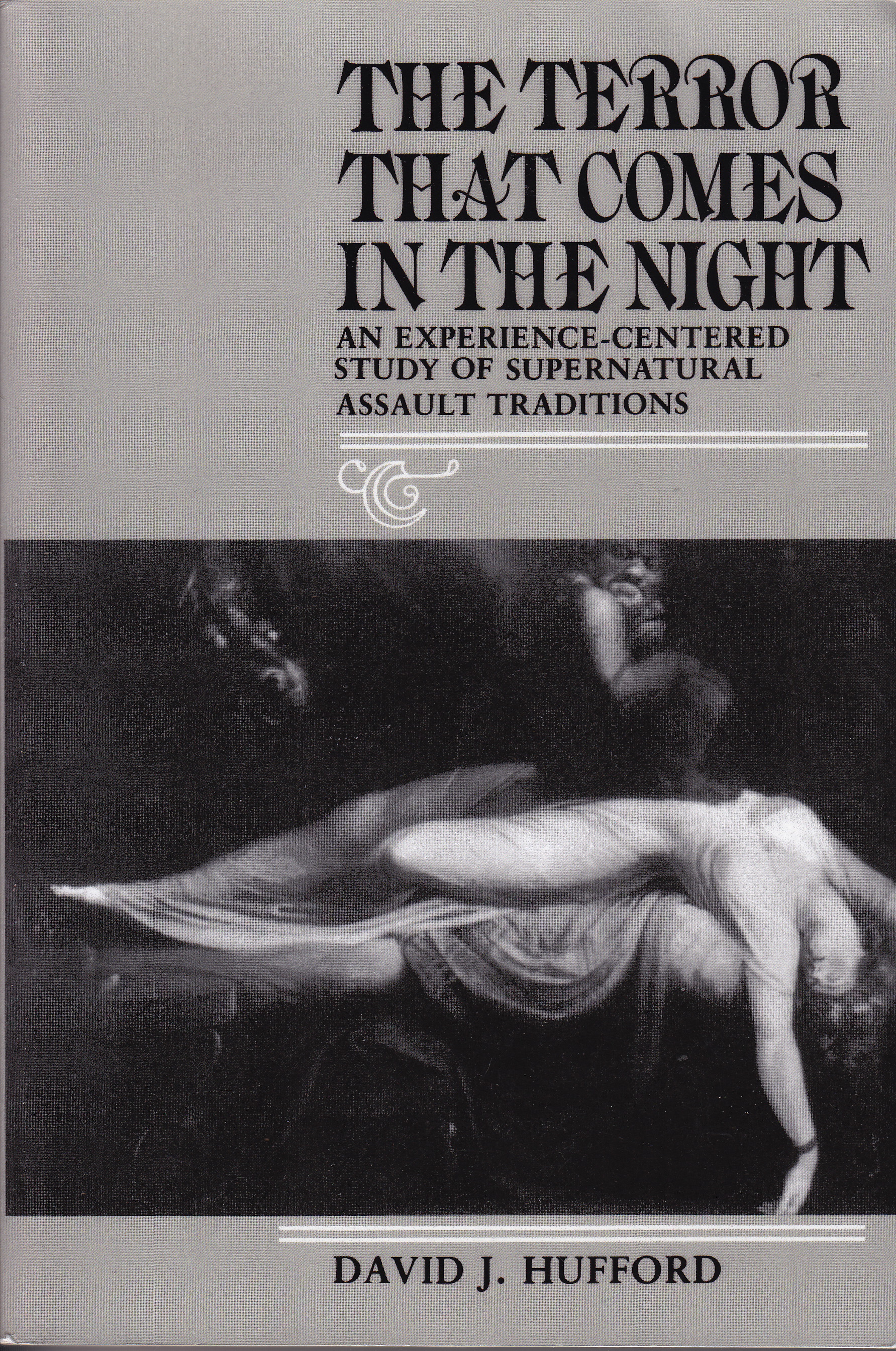
TerrorInTheNightNightmares are the stuff dreams are made of. Or maybe I’ve got that the wrong way around. Having grown up subject to frequent nightmares, I still occasionally have them. I suppose it is easy enough to assume someone who reads about monsters and watches horror films should not find this unexpected, however, I’m not sure they’re related. My nightmares visit issues that horror films avoid, and most of my monster reading is, well, academic. Surely the scientific study of nightmares has advanced since David J. Hufford’s The Terror That Comes in the Night: An Experience-Centered Study of Supernatural Assault Traditions, but it remains a very important book. As someone familiar with the phenomenon, I found Hufford’s study somewhat therapeutic, and it certainly does raise some interesting questions.

Apart from the unfortunately, inherently sexist, folk-title “the old hag,” Hufford is addressing a universal experience of people of all ages. Using his original setting in remote Newfoundland where his work began, Hufford collected tales of what might technically be called sleep paralysis with a specific hypnogogic hallucination of being attacked. A designation, he acknowledges, that is quite awkward for repeated use. Back in the early 1980’s, when the book was published, these accounts of nighttime attacks—a person waking up, or not having yet fallen asleep, sensing a presence in the room, finding her- or himself unable to move, and sometimes seeing or hearing an entity and feeling it on his or her chest—were rarely discussed. Especially in scientific literature. They seem a kind of embarrassing medievalism related to the ancient concepts of incubi and succubi, and even vampires. Having “the old hag” (a moniker relating to witches) is what the experience is known as in Newfoundland. Hufford, taking these accounts seriously, investigated what the sufferers had experienced. Unwilling to judge whether the event “actually happened,” Hufford’s scientific objectivity is truly admirable. Since the time of his book, the concept has become widely known and the argument is often made that having heard of sleep paralysis episodes feeds those with hypnogogic hallucinations the idea of a supernatural oppressor. In other words, now that we know about it, we don’t have to take it seriously.

Hufford is one of a small number of academics that is willing to engage with the supernatural on its own terms. Religion scholars do, of course, but we are generally dismissed from the starting block anyway. Most scientists disregard the possibility of anything beyond deluded brains and say nightmares are normal. Just deal with it. Those who’ve experienced the nighttime attack know that it feels very different than a garden variety nightmare. You can tell when you’re awake. Of course, we’re of the generation who’ve seen The Matrix and Inception, and we know that, at least in popular thought, reality has become negotiable. Nobody is much surprised any more by the idea of such an attack in the night. Waking nightmares have become as common as the headlines. If only more scholars would take human experience as more than just “old wives tales” we might all be surprised at how just rolling over can change everything for the better.


Tales of Wonder

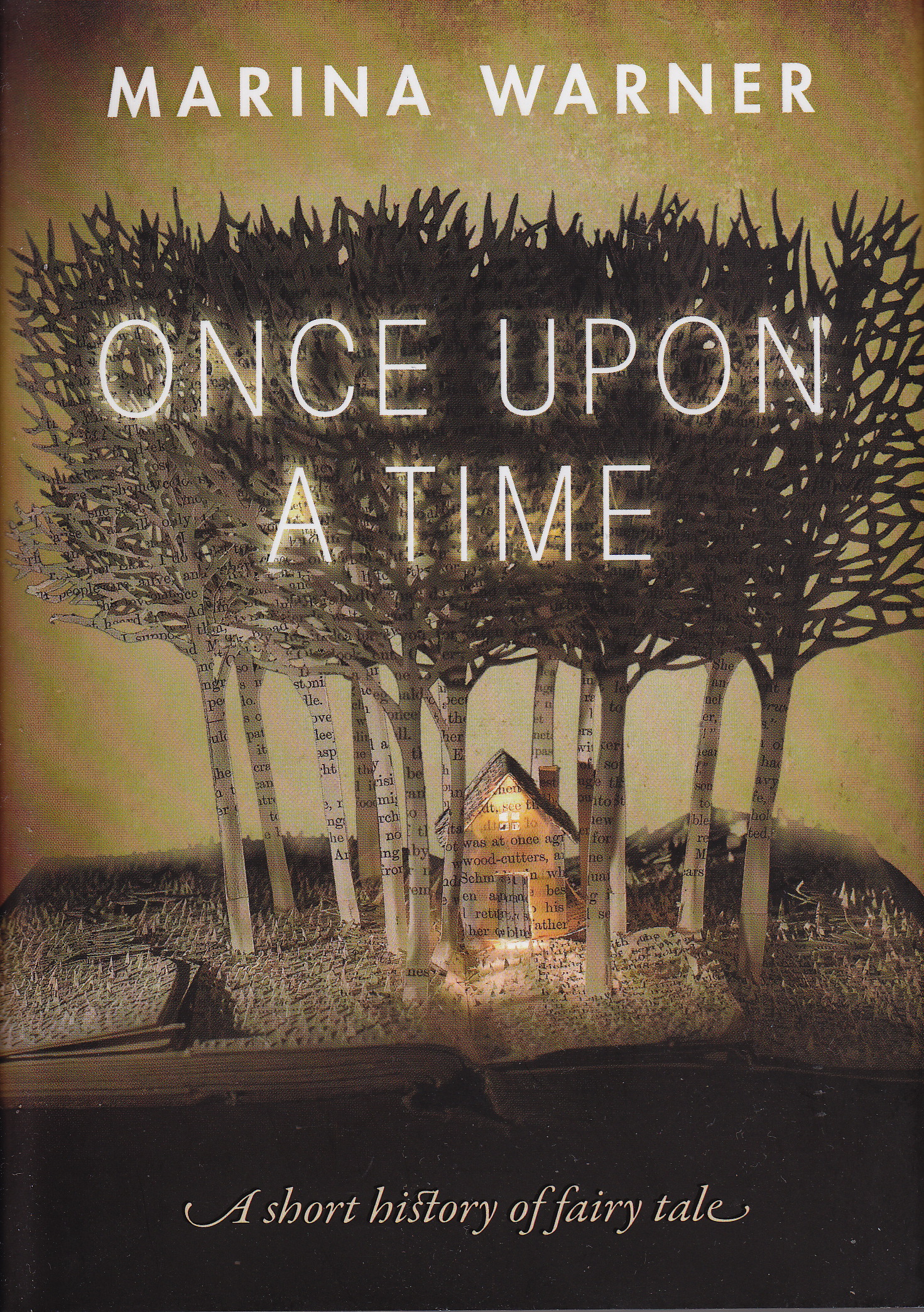
OnceUponATimeI knew of fairy tales as a child, but I recall them mostly being mediated through the Wonderful World of Disney on Sunday nights, just before bath time.  I don’t recall experiencing them in written form, and although I may have experienced them as narrated versions from time to time, my memory is mostly of the animated variety.  I’ve been reading about fairy tales lately since folklore clearly relates to many sacred narratives.  My most recent book on the subject is Marina Warner’s Once Upon a Time: A Short History of the Fairy Tale.  Like most of Warner’s books, this is a unique telling, one which takes into account modern and some post-modern concerns.  Addressing what fairy tales tell us about the supernatural, gender, psychology, and growing up, this is a little book with big thoughts.
 
Unlike the polished literature of the elites, fairy tales come from the folk, the common person.  In this sense they are often truer than the establishment version of things.  Life can be violent and magical, and nobody raises an eyebrow when something supernatural occurs.  These tales often contain uncomfortable truths.  Fairy tales may help children to cope with eventualities, but they also unsettle along the way.  Rare is the tale where someone doesn’t die before it’s all over.  Like many disenchanted adults who’ve discovered the promises society makes to be false and hollow, I find returning to fairy tales as an adult somewhat therapeutic.  Long ago in a land far away often sounds much better than here and now.  Nor is it pure escapism.
 
As Warner points out in the very final thoughts of the book, fairy tales have come to be treated as scriptures.  Like scriptures, they turn into myths.  Myths may be retold, deconstructed, reassembled, and applied to many situations to inform us of the human thing to do.  We sell ourselves short by not recognizing the other scriptures that wisdom has provided down the ages.  While most of the folk wisdom we have preserved in the canon of fairy tales don’t go back to the Bible, they do retread some of the same territory.  By calling some of it scripture and other secular, we might miss that very many of the truths are similar indeed.  The assumption that growing up means leaving truths of childhood behind may, on occasion, bear reexamination.  If we look closely at our fairy tales we may discover that we should keep them close at hand, no matter what our age.


A Hollow Man

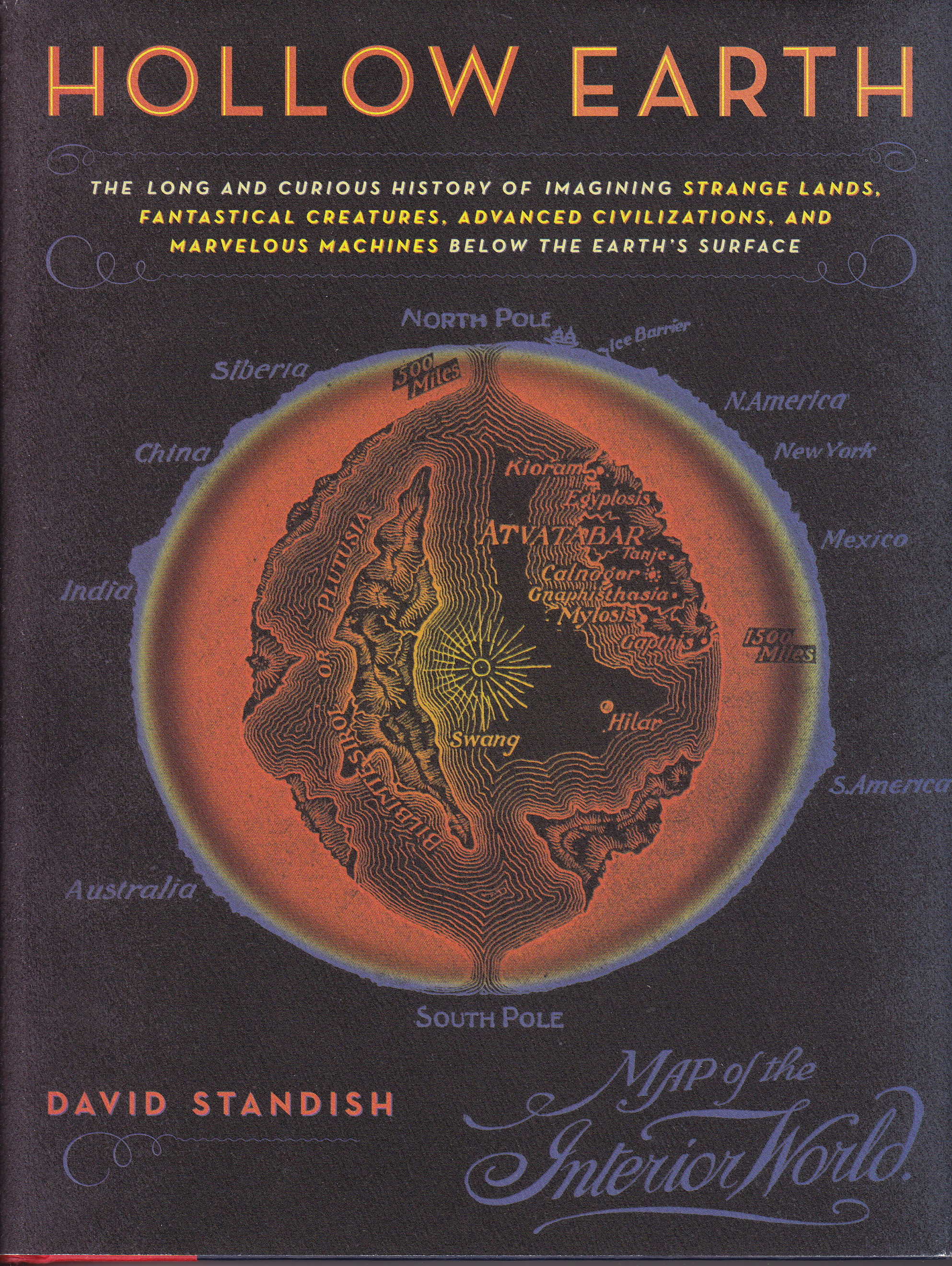
HollowEarthQuirky ideas stimulate the intellect. I’ve always had a fondness for the outré, those ideas slightly beyond the pale of normalcy. Sometimes taken dead seriously by intelligent people, these ideas have cultural staying power. David Standish’s Hollow Earth is a cheeky tribute to those who’ve taken the idea of the underworld to literal and literary depths. Ideas that the world might be hollow have been around for some time. Not everyone, it seems, was convinced by Copernicus and Galileo. Standish traces the more modern exemplars of those who have, with stone-faced sincerity, declared that the earth is hollow. Of course, some, such as Edgar Allan Poe, were hoaxers, but they were building on those who appear to have seriously believed it. The character after whom the mythical polar entrances to the world inside is named is John Cleves Symmes. An otherwise rational fellow, it seems, Symmes decided that the earth was like a globe and that a world much like the outside awaited those intrepid enough to get to the inside. There would be light, plants, oceans—a veritable paradise found within the earth. This strange idea survived Symmes and even the exploration of the poles could not dissuade those who believed large caverns, fed by warm, arctic oceans, awaited those who would patiently explore.

Standish notes the womb-like ideals of many of these thinkers, twisting fictional accounts together with the more deluded factual kind. In popular, and not so popular, fiction the hollow earth had a particular resonance. Jules Verne and Edgar Rice Burroughs were among its most ardent fans, using the literal underworld as a setting of strange realms. Others used the hollow planet as the location of a kind of utopia, unspoiled by humanity. Unspoiled, that is, until people arrive on the scene and do what they inevitably do to paradises. It’s in the news every day. Even Alice in Wonderland gets a nod here, as she does fall an awfully long way down that rabbit hole. Fiction writers have made a boon of this bogus idea.

The most interesting, to me, character in this story is Cyrus Reed Teed. A denizen of the Burnt Over District in New York, Teed restyled himself Koresh (yes, there were others) and made the hollow earth one of the doctrines of his new religion. Distantly related to Joseph Smith, his new faith was not as successful as that of his cousin, but nevertheless, Koresh did manage to gain a following of a few hundred and establish a compound to himself where he influenced local politics to his wishes. The story has a sad ending, however, as local ruffians (including the sheriff, like in a bad western) roughed him up so badly that as an older gentleman he died perhaps as a result of his injuries. His movement fell apart and the world grew solid once again. The world really has no place for dreamers, and yes, at such times it seems to be made of very unyielding stuff indeed.