Austin City Limits

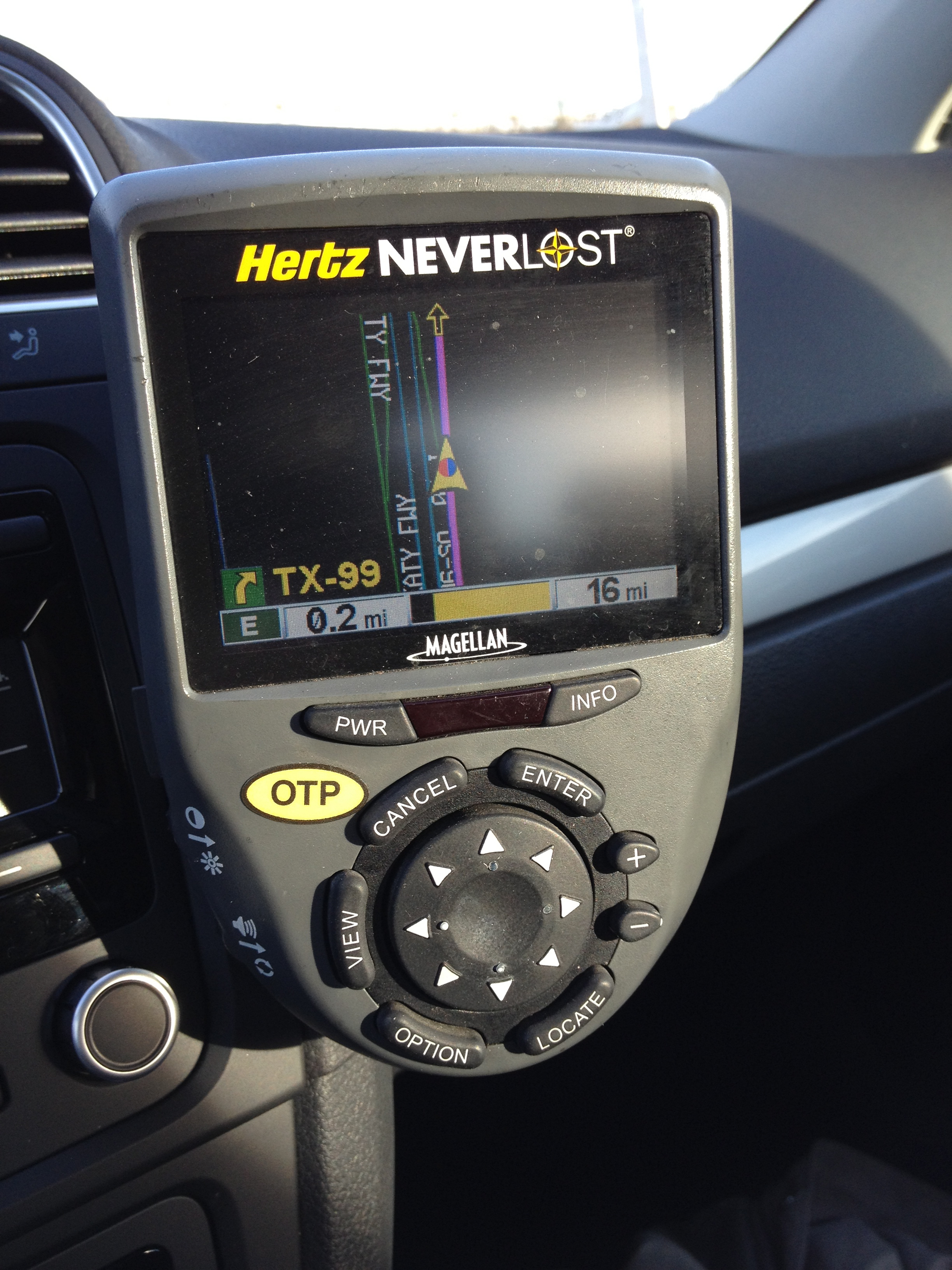
Maybe it’s just because Texas feels like the brass buckle of the Bible Belt, but I had moral qualms about landing in George Bush International Airport this afternoon. Texas has so many worthy heroes, but in the land of Rick Perry, recent Republican politics is king. Not queen. But king. It felt like a work of supererogation to drive to Austin after a three-and-a-half hour flight to Houston, but Texas reminded me of Illinois with palm trees. And cacti. Well, okay, and longhorns. One could get culture-lash flying here from New York. Before I embarked I had visions of my rental car being a huge Cadillac with real steer horns for a hood ornament. I just couldn’t picture myself in a ten-gallon hat.

I sometimes wonder how religion could’ve come to divide a nation such as the United States. Founded on the principles of religious liberty, lately one party has been claiming the right to legislate morality for all, deeply polarizing a populace that should be able to accept differing viewpoints. Still, there are issues on which human rights insist there can be no compromise: women have equal rights with men, and have the right to self-determination just like men. It truly amazes me that such common sense can even become a divisive issue. If we could agree on even that, we’d have to declare it progress over the objections of the Religious Right. My thoughts wander that way when I tarry in the south. It’s really a pity. The people are friendly here and the landscape has its own beauty. Are we really that different?

I’m not altogether convinced that this isn’t just a case of prejudice masking as religious sensibility. Religions can be all too gullible when they feel their honors might have been impugned. While I regularly express my opinion here, I do respect nearly every form of sincerely held religious belief. None of us has all the answers, and it seems the height of hypocrisy to insist that anyone is right all the time. Nevertheless, my sojourn beneath the Bible Belt has me wondering about the origins of various religious squabbles. Or maybe it was the just the long drive along the “presidential corridor” after touching down at an facility that most websites still refer to as simply, Houston International Airport. Travel broadens the mind—it is, in fact, an excellent form of education. Maybe if we got out more we would all get along better.

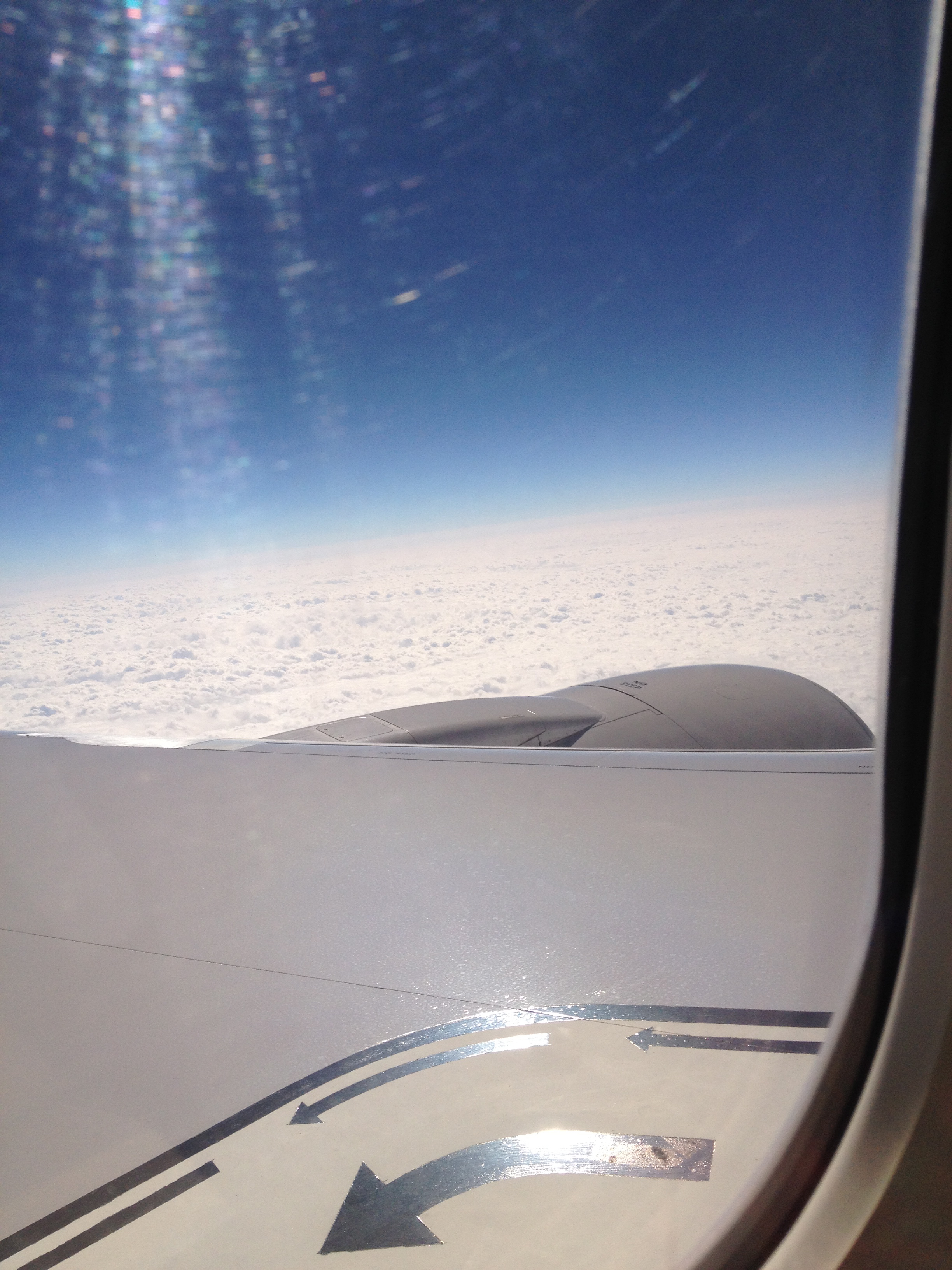
From here we all look the same.

From here we all look the same.


The Best Gift

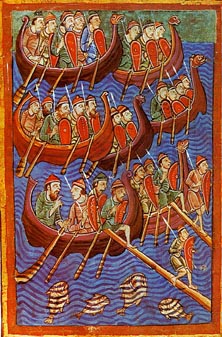
Standing outside the footprint of a circular chapel next to the ancient ruins of a drinking hall in Ophir, the Orkney Islands, with friends. We’re quoting from the memorable scene in the Orkneyinga Saga where Svein Asleifarson leapt out and killed Svein “Breast-Rope” as drunken vikings staggered back and forth from the Earl’s Bu to the chapel one Christmas season some nine centuries ago. The Orkneys used to belong to Norway and had a close connection with Iceland, which, all things considered, is not that far off. While working on my doctorate in ancient Syrian mythology, I experienced a fascination with Icelandic viking sagas and read several of them (in translation, of course). Traveling to the Orkney Islands was about as close to Iceland as we’d hope to get on a student’s budget, and the atmosphere of these historic islands does not disappoint. We were standing on the actual site of this historical incident one violent Christmas long ago.

VikingsImagining, however, is not the same as condoning. Nearing a millennium later, Iceland celebrates Christmas with “Jolabokaflod,” the Christmas book flood. Armed with books rather than broadswords, the folks of Iceland have built a considerable literary reputation. According to an NPR story my wife and traveling partner sent me, Iceland publishes more books per capita than any other country, and giving books at Christmas is a national tradition. Reykjavík is a UNESCO-designated City of Literature. Unlike the United States, a large proportion of the population of Iceland buys books, according to the story, and I can’t help but wonder if this isn’t related to two other Icelandic phenomena as well. Iceland has very little gun violence and it is one of the most ecofriendly countries on the planet. While it is only a feeling, I believe that widespread reading makes a better society.

I remember the experience of growing up and hearing other kids complaining bitterly about assigned reading. Here in this wild west corner of the world, we’re too full of dreams of action to spend quiet hours improving our minds. Guns are easy to acquire and too easy to use against the innocent. We could sure use a Jolabokaflod, it sounds like to me. Towards the end of each year I like to tally up an approximation of how many books I read in the previous twelve months. Although some are definitely better than others, each one is its own gift, a glimpse into someone else’s worldview. And such glimpsing aids in understanding. I may not agree with you, but I know where you’re coming from. And as we enter that long, cold stretch of January and February I feel ill-prepared if I don’t have a stockpile of books to get me through the darkness of this time of year. And one of my fantasies will be a world that can see from the blood-stained ground of Ophir all the way to Reykjavik.


A Big Joke

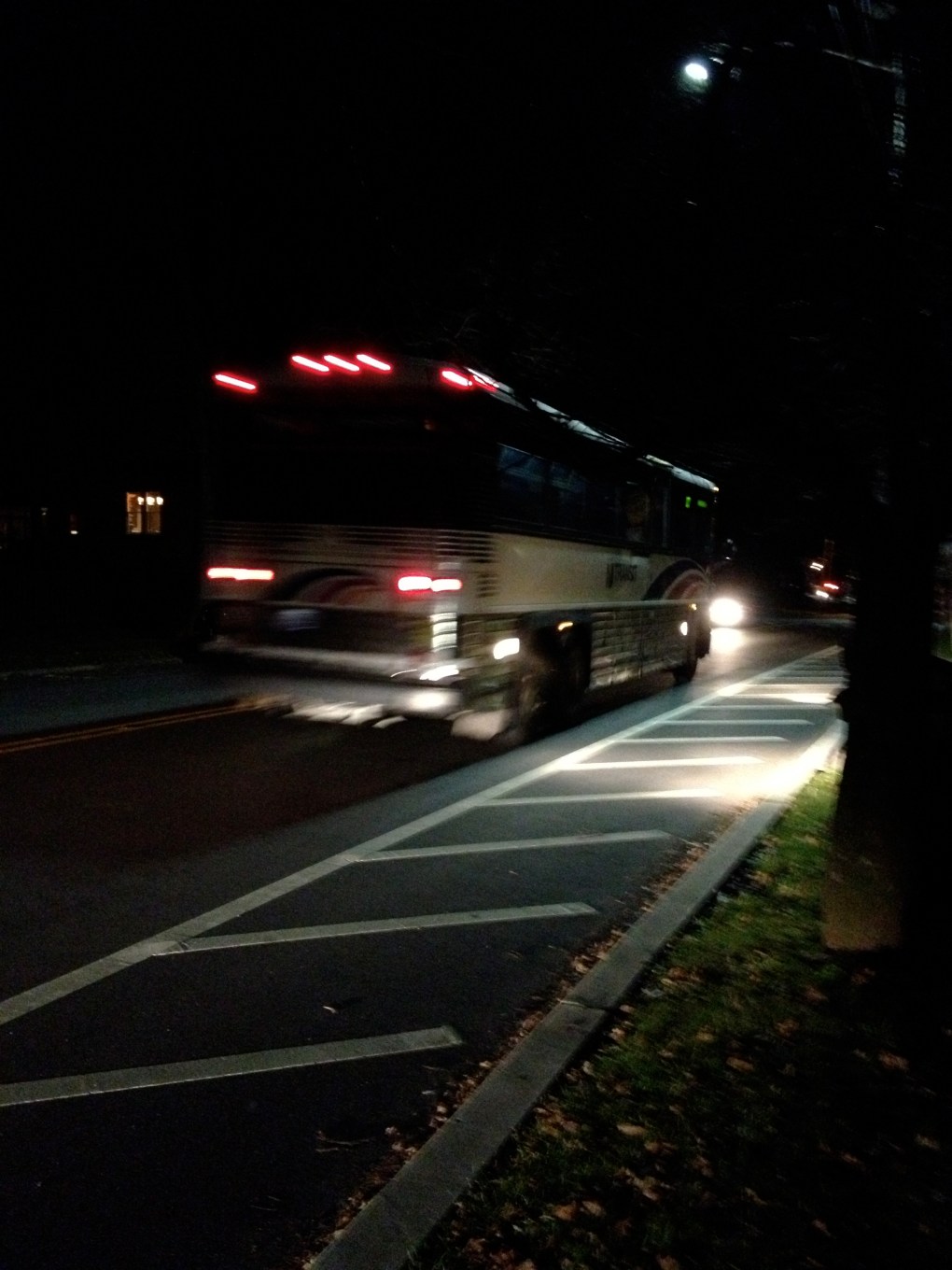
On the evening table my wife left a token of hope for me to read in this hopeful season. New Jersey “Transit” claimed that the very next day riders of the extensive bus system would be able to track buses precisely on their smart phones. No more wondering “has the bus already come, or is it late (again)?” I laughed when I read this because that very evening in the Port Authority my bus never came. The frazzled and apologetic dispatcher said nobody knew where the driver was. Did anyone think to drag the East River? I wondered. As other buses pulled to the gate, drivers refusing to switch routes, the line grew and grew. The bus scheduled for the next half hour did not show. My daughter was waiting for me to fix dinner. On a good day I’m home by 6:30. This was not a good day. I laughed ironically at the article and went to bed. My morning bus leaves, in theory, before 6:00 a.m. A day later, in the Port Authority. My bus, which can now be tracked with precision, precisely failed to show up. I’m sure you know the dispatcher’s chorus—please join in—”nobody knows where the driver is.”

So what is a diatribe like this doing on a blog about religion? I’m as mad as Hell about this, that’s why! Every month I pay hundreds of dollars for a bus pass. I think the least New Jersey Transit could do is the courtesy of sending a bus. In case anyone from NJ Transit is reading this, a bus is a large vehicle that seats about 50 adults and generally runs the same way every day. It’s called a “route.” People use it to get to and from work. Of course nobody expects the executives of a company that services over 19,000 bus stops to take a bus to work. They probably have to be on time. I take the earliest possible bus from my town to New York City. Most days it is late and consequently so am I. For this I spend over three grand a year.

This is not about Hurricane Sandy. Buses have been back on schedule since Thanksgiving. What it comes down to is the fate of most capitalistic ventures—the working person butters the bread of the Executive Director who earns more than $260,000 a year. Last night I toyed with the idea of getting other disgruntled commuters to link arms and stand across the exit ramp, or to lay down in front of the buses until a bus for my route was sent. I suspect, though, that they realize as well as I do that Tiananmen Square doesn’t take much to morph into Times Square when an individual stands in the way of corporate gain. Tonight I plan to wear my good walking shoes. After all, I paid good money for them too. Unless, of course, anybody out there would like to drive this bus?

Ghost bus

Ghost bus


Rock Hard Cafe

IMG_0518

At first glance it may not appear to be much. A small chunk of rock, probably limestone. Hardly large enough to be used in a sling against a giant in a pinch. Still, it is special. What makes this rock special is the context from which it was removed. A friend has recently returned from Israel and he brought this rock for me. It is from the Mount of the Temptation, atop which sits a lonely monastery cared for by a single, elderly monk. The thought of someone thinking of me in such a (literally) God-forsaken wilderness is touching. My brief travels through the desert of Judea offered plenty to occupy my restless mind. I’m pretty sure we zoomed by the base of the Mount of Temptation in an air conditioned bus one day on our way to somewhere less desolate. Or more. The sharp-voiced little skeptic in my head immediately kicks in: if Jesus was alone when tempted, how could anybody possibly know where it happened? I can’t picture him leading a tour there later—“and this is where I almost turned stone to bread; don’t those pebbles look like challah to you?”

But then, it’s not about historical accuracy. This little stone in front of me is a symbol. Broken off of the karst geography of the rocky spine of the Holy Land, this shard is meant to remind me to avoid temptation. A nearly identical piece of stone from Israel sits among my teaching trinkets. One of my students went to Israel back in my days at Nashotah House and returned with a bit of limestone for me. She said, “you can keep it as long as you put it on top of my gravestone when I die.” This was a custom I’d observed long before I’d even heard of Nashotah House. Long before religion grew flinty and unyielding. Stones bear remembrance. Although Israel is not as arid as many people believe it to be, rock is a natural resource of uncommon abundance. We age and die, but the rock remains. The rock remembers.

My six weeks in Israel were spent among the rocks of an ancient settlement known as Tel Dor. Archaeology, I learned, is mostly just removing the dirt from the rocks in the ground—at least at the entry level. Those stones tell a story. They were once a city, a district administrative center. Now they lie in dusty profusion, and only the most ardent of Bible readers will recall ever seeing Dor’s name in the pages of Holy Writ. Built by Solomon, the Bible grandly claims. Now all is ruins. The grandeur of a king toppled with the passage of time. My mind is drawn back to a treeless stretch of a mountain devoid of even the hardiest plants. A person can grow mighty hungry there. Mighty hungry indeed. Temptation comes, unbidden. Life is an unbroken chain of temptation, for those willing to be honest in the desert. That little stone is, in truth, bread.


After the Gold Rush

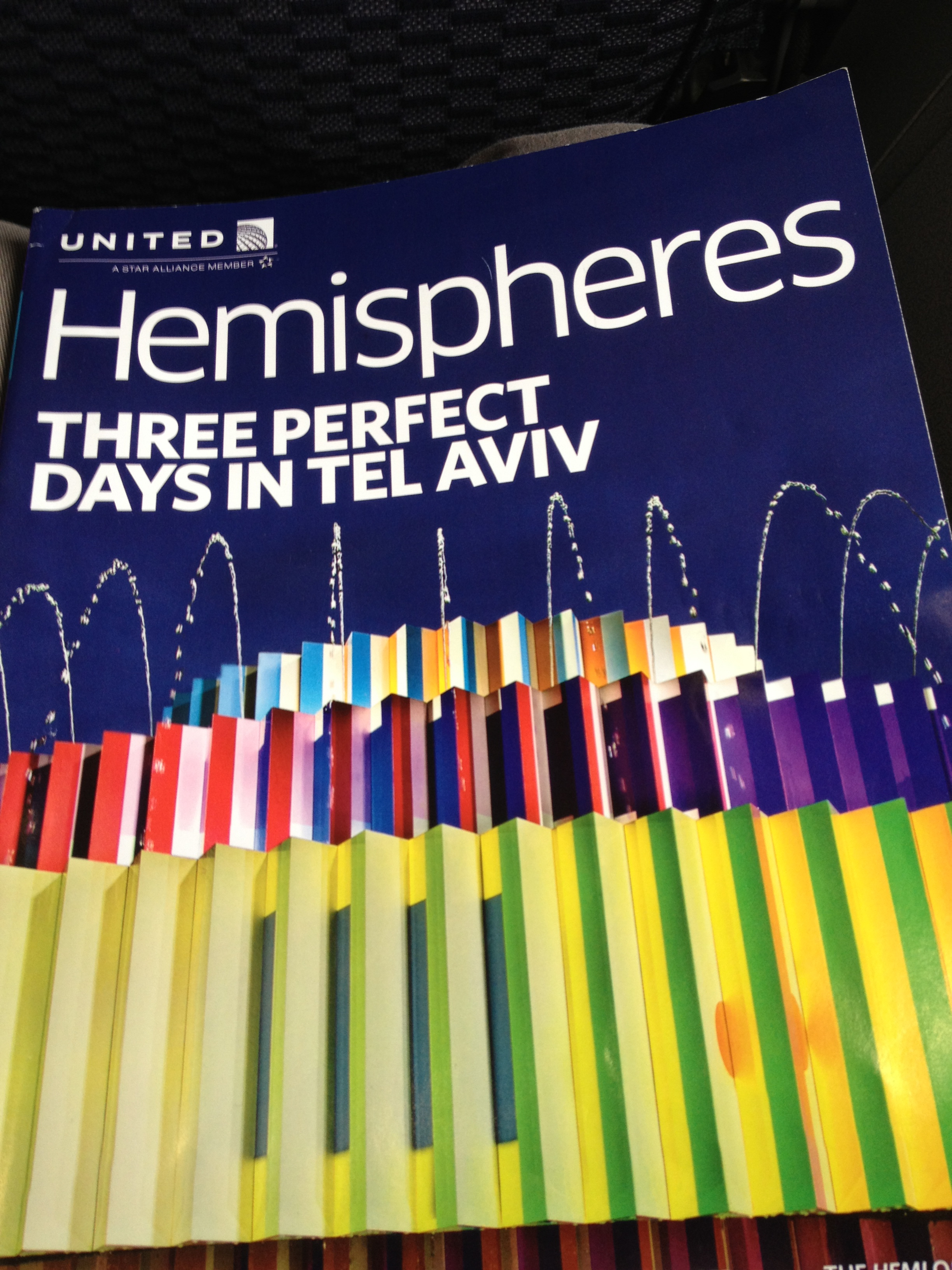
The morning I flew to Chicago for the American Academy of Religion and Society of Biblical Literature annual meeting, the headlines in the morning paper were about the rocket attacks in Tel Aviv. Ironically, the in-flight magazine cover on United, I noticed as I fastened by seat belt securely low across my waist, read “Three Perfect Days in Tel Aviv.” The irony wasn’t so much funny as it was sad. The situation in the Middle East is hopelessly entangled, but it all comes down to our obsession with dividing people into groups. Religious, ethnic, social: somehow we are not like them. We’re better, superior in some way. It matters not that proving superiority is a purely subjective enterprise. After all, we just know it. When history places one persecuted group in a position of persecuting another group, well, I’m afraid we all know what happens.

The problems in the Middle East are largely biblical and predominantly petroleum-based. Even those who tend to read the Bible figuratively can see a land claim based on an Abraham who probably never existed as strangely literal. Especially when there’s oil in them thar wells. Isolationism served the United States well until it was discovered that they had more black gold than even Texas does. Establishing a foothold in the region was not such a subtle policy; the x-ray vision of politicians funded by heavy industry saw beneath the sandy soil to the real deity that lay beneath. Dig a well, hit a gusher, and, like the Bible says, “he anointeth my head with oil, my cup runneth over.” Good news for modern capitalists. But some people will have to die.

As I sat in the lobby of a posh hotel, waiting for an appointment, I heard a fragment of a conversation as a couple of scholars rushed by. They were discussing the aftermath of the rocket attacks on Tel Aviv. One suggested to the other, in the context of how many Palestinians might die in retaliation, “well, if they can keep the numbers down…” and then they were gone. My mind jumped to The Prisoner. “I am not a number, I am a free man!” crashed in my head with the way that the dead in the Middle East are piled up as “the numbers.” I’m sure it was only intended as a convenient turn of phrase. Outside the hotel lobby the striking workers from the Hyatt labor disputes were protesting in a cold, crisp Chicago morning. They were soon cleared away. My fear, Number Six, is that you are wrong. We are all numbers, even the best of us.


AAR/SBL Chicago

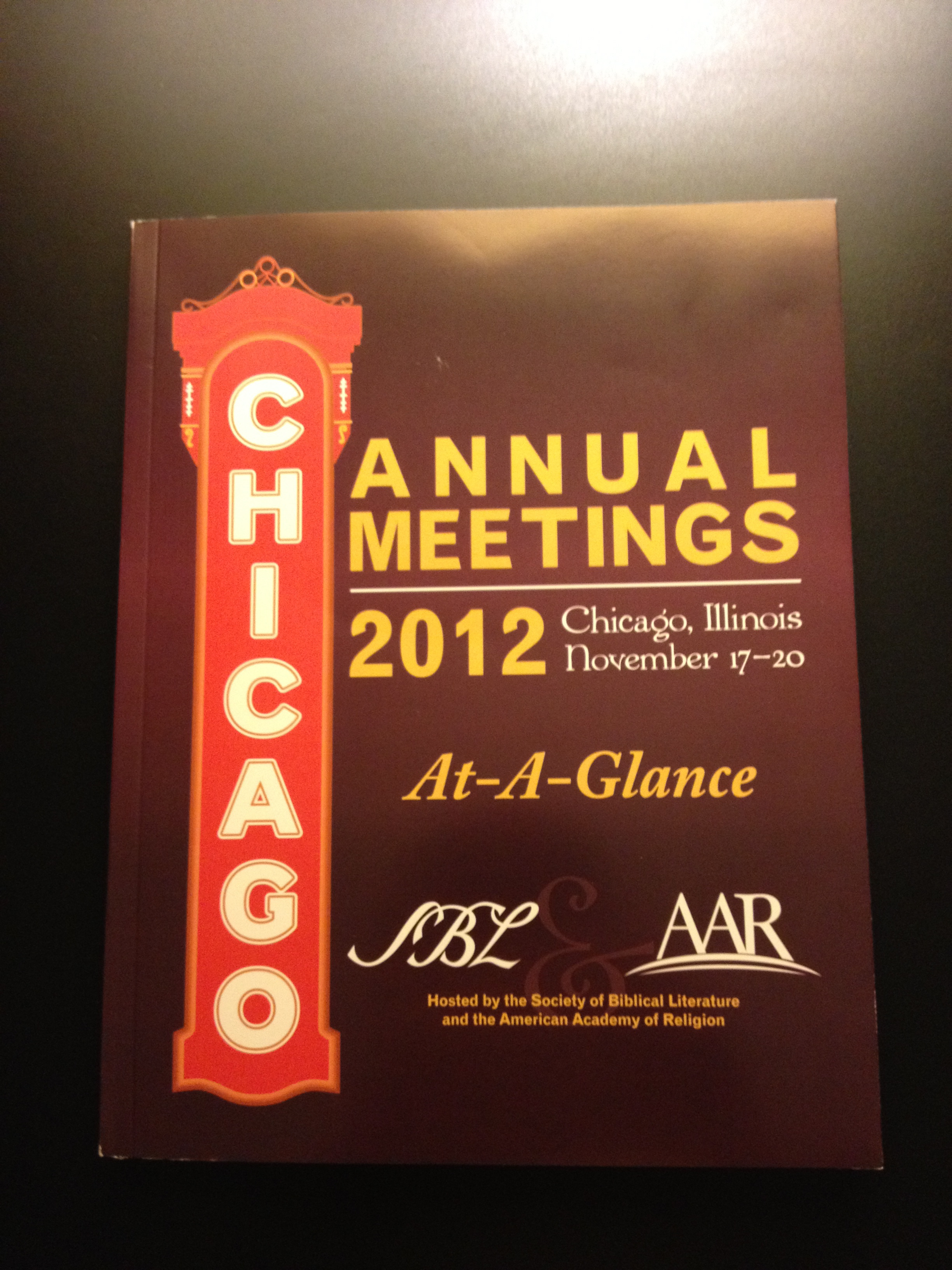
On just about any playground you’ll spot the kid who’s watching from the side, instead of playing with the others. That’s me. I don’t suspect that anyone starts life wanting to be left out, but some of us—attuned to the subtler messages of life—become aware that we’re not really invited or welcome. That sensation bathed me in its eldritch light once again while waiting for my flight to Chicago for the American Academy of Religion and Society of Biblical Literature annual meeting. I’ve often wondered what it must be like for those innocent aeronauts not clued in that the Friday before Black Friday (the real holiday, I’m led to believe) that flights to a specified city will be choked with crusty professors of religion. Sitting in Newark Airport and hearing the word “Ugaritic” from the seat behind me, I knew it had begun. I turned around. No flash of recognition. If was as if I hadn’t spent years learning that obscure language and publishing in the main journals. The invisible man.

The airport before the AAR/SBL annual meeting is a theological locker room where the guys gather to compare the size of their, um, theses. It’s pretty hard not to overhear, once you’re tuned in to your specialization, as colleagues lay out their publications, invited papers, international travel plans. I’ll admit to being jealous. They’re living the life for which I trained. I had taught for nearly twenty years and was never really invited to play. Now here I sit, knowing what Ugaritic is among the perplexed business travelers, but I’m not one of the big boys.

I realize that outside the rarified world of higher education Ugaritic matters even less than the homeless unfortunates shivering in the streets of Manhattan or Chicago. Back in the brief days when I tried to be a player, I remember attending an Ugaritic conference here in Illinois. Crowded into an elevator with renowned colleagues, one of them joked, “If this elevator falls, the field of Ugaritic studies may never recover.” An exaggeration, but not by much. Present company excepted. Of that august group, only one was asked to step off into the void. His exit was barely noticed. Ugaritic studies thrives. The poor beg for alms. And one kid, even though he now understands the rules of the game, still watches from outside.


Hallowed Eve

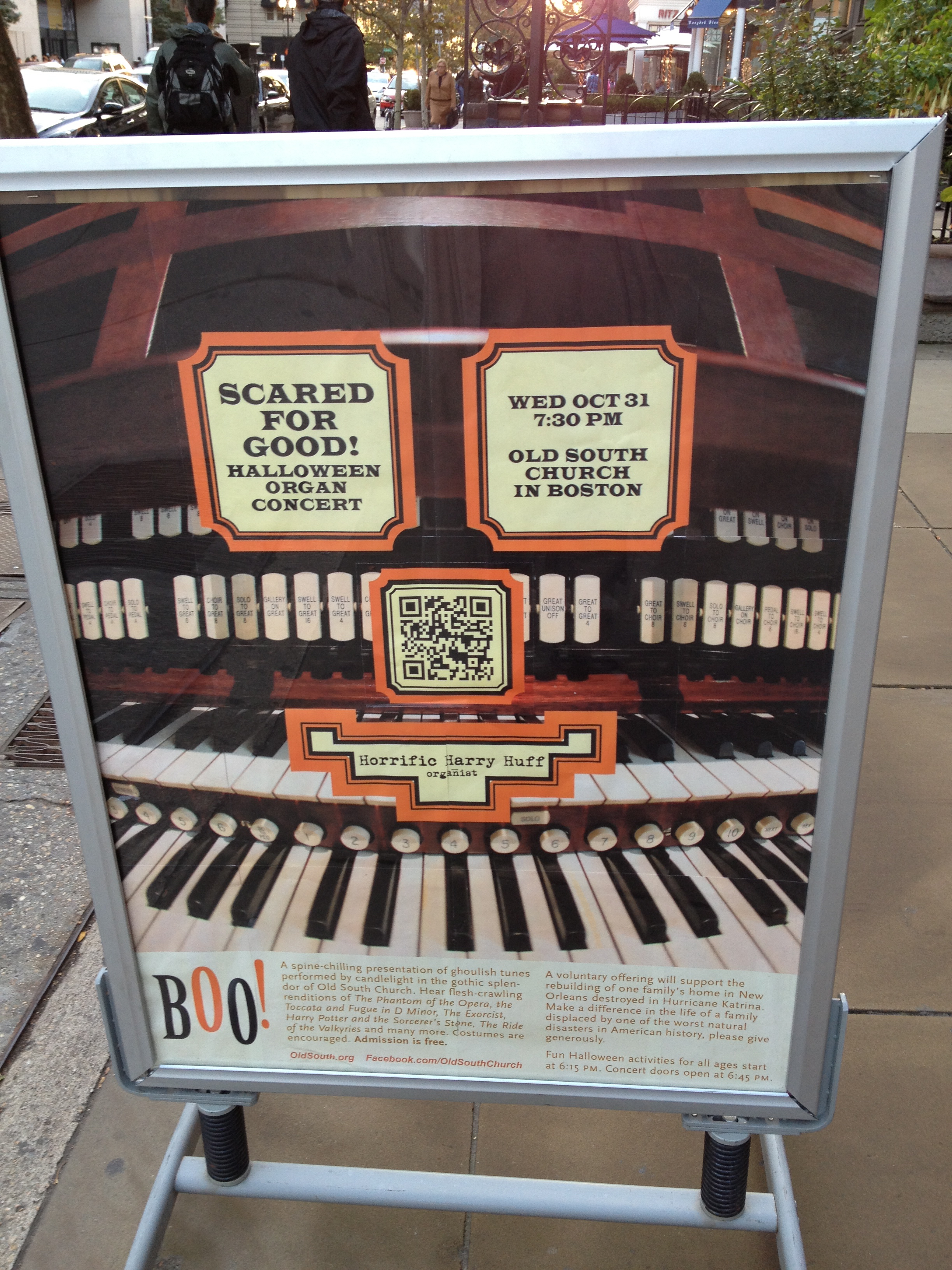
My last night in Boston found me in Copley Square. This has always been one of my iconic Boston locations; something in the juxtaposition of squat, solid, dual-toned Trinity Church with its wide, open plaza, the blue glass razor of the Hancock Tower, and the classical facade of the Boston Public Library where Sophia broods over the world, arrests my wondering gaze. Across Boylston Street stands the gothic Old South Church like a guardian for straying souls. As I walked through the square a local band of street musicians jammed and the first neons of an October evening were awaking. As I strolled past Old South I had to back up a step or two to see if I’d read the sign right.

Scared for Good, a Halloween organ concert featuring spooky music, will soon be on offer. Business-types have long noted that Halloween is a great potential selling holiday. With kids who want to dress up and parents stressed for time, the selling of costumes has grown into an increasingly substantial accessory item holiday. People want their houses to look scary, knocking down real cobwebs to make way for the artificial ones, hanging out orange and purple lights, and ordering pre-carved, artificial pumpkins. All the fear is, of course, a charade, and we laugh at ourselves for taking it too seriously. Some churches object vociferously to the very holiday itself, claiming it is devil worship and evil.

While Halloween does have some serious pagan influences, it is, in its present form, a good Catholic holiday. The night before All Saints, aka All Hallows, begins a period of reflection on mortality. I’ve celebrated “Protestant” Halloween from my youngest days and have never been in any way tempted toward devil worship. It is fun to be scared when you know it’s not real and it won’t last long. That’s why I applaud Old South Church’s Scared for Good concert. Reading the list of pieces included, it sounds like it should be a grand time. Too bad I won’t be in Boston for the occasion. As I walk back to my hotel in the chill of the evening,the only fear i feel is that moments like this evening come at insufferably long intervals for those who feel about the city as must the denizens of Copley Square.


The Future of Theological Education

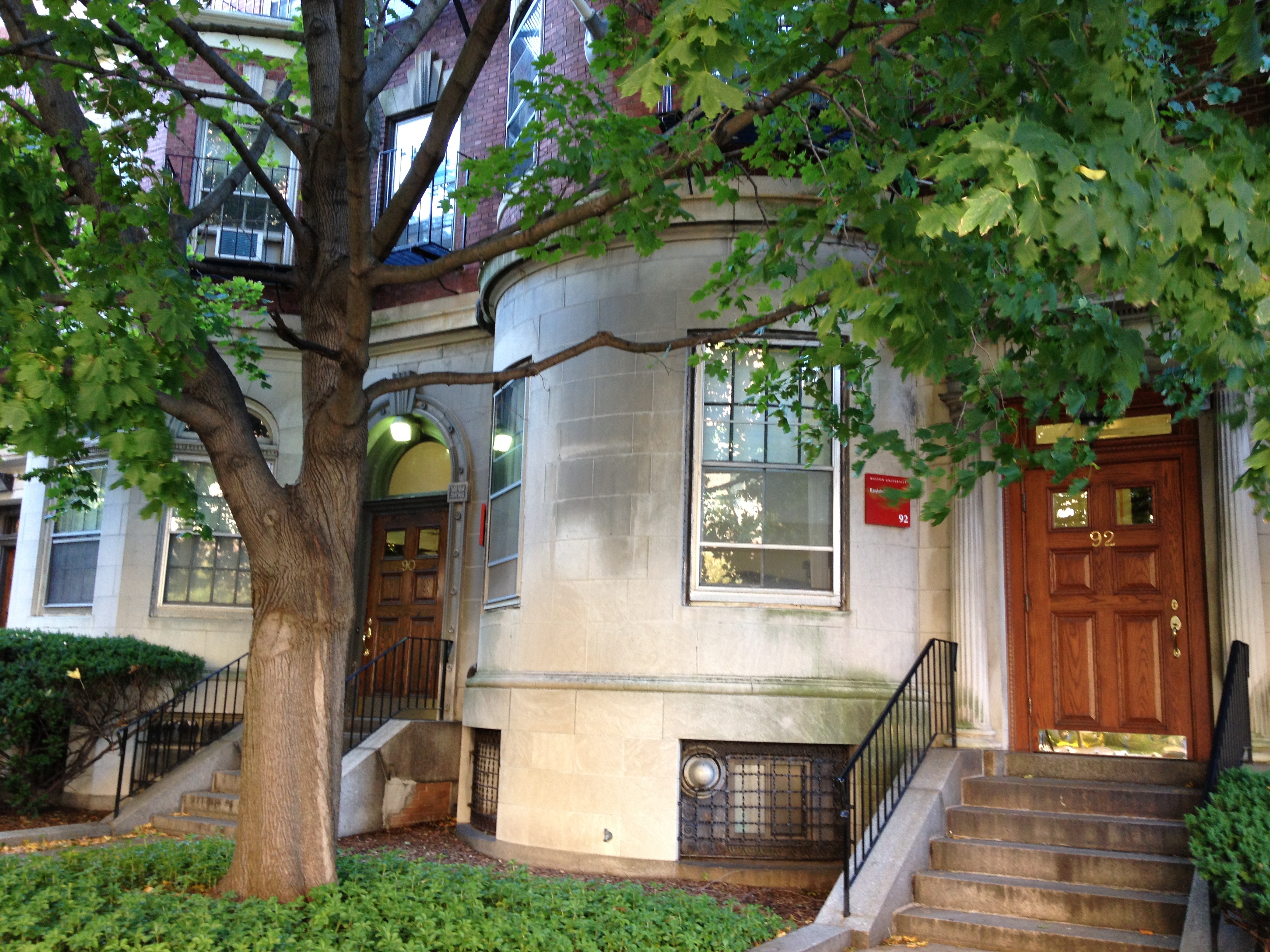
It is almost like stepping into a time warp. To be honest, it is difficult for me to admit that I graduated from Boston University School of Theology a quarter of a century ago. Standing here outside 90-92 Bay State Road, where I once lived, is like looking into a shattered mirror. Behind those doors much of what made me who I am took place. Perhaps I left some of myself there. I don’t even know if the property is still the single student “dorm” for the school of theology or not. Kenmore Square has transmogrified from an area that felt like Times Square in the ’80’s to an upscale dogtown. When I stepped into 745 Commonwealth Avenue, it was like being hit in the face with a combination of nerve gas and roses. The hallways look wider now then they did back then. The hallways where so many of my assumptions curled up and died. They still have chapel and community lunches. The Boston Book Annex is closed.

Boston University has sure poured a lot of money into the Back Bay redevelopment. Whence that sense of personal offense when I see a multimillion dollar new building there and recall the financial aid interviews where I was told, like in a Bruce Springsteen song, “we’d like to help you out, but we just can’t”? Has social justice come to live in these halls? In those days anyone who didn’t have an oppressed status was a minority. And I learned as much about hate as I did about love within these implacable walls. Is it ghosts that I feel rushing through me as i walk down Bay State Road, and stare out over Storrow Drive? I’m not sure of the future of theological education. Until schools of theology can lay down their swords and become truly ecumenical, can any change truly occur?

Theology is an exercise in the unknown. When I donned my red robe and graduated here, the world seemed to be full of possibilities. A lot of erosion can take place in twenty-five years, you know. I thought I was contributing to the future of theological education when I studied the Bible so minutely that no single letter existed that didn’t have a prehistory deep in the realm of pre-Israelite society. I assumed that truth was the end goal of theological inquiry. Problem is, for many, the end goal was written two millennia ago and we of the lost generations ever since have as our task simply to reinforce the crumbling foundations and assure our benefactors that we did have it right, we have had it right, all along. As I write this a very able colleague at another seminary is undergoing what can only be considered heresy trials for teaching the truth. Is theological truth so fragile? Maybe this is why it has taken a quarter century to return. Maybe this is the future of theological education. Those of us who still believe in theological education seem to be a dying breed, along with the ghosts of Bay State Road.


Bretz v. Noah

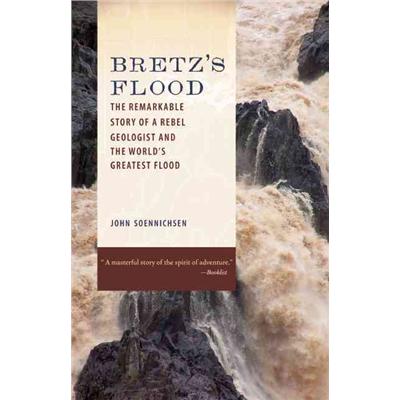
Until I met my wife I’d never been west of the Mississippi. Or even Ohio for that matter. Together we’ve traveled, in a fashion broken by years, from coast-to-coast and even overseas. Nothing in my life had prepared me for seeing the American West. No, I’ve not seen cowboys, but the landforms are so different from the weathered, ancient Appalachians among which I grew up. Eastern Washington is a fascinating landscape and with my occasional flirting with geology, I recently read John Soennichsen’s Bretz’s Flood: The Remarkable Story of a Rebel Geologist and the World’s Greatest Flood. Within the last couple of years I’d read about Glacial Lake Missoula, a juggernaut of an ice age lake that had flooded parts of Idaho and Washington thousands of years ago when its ice dam gave way. J Harlen Bretz was a turn-of-the-(previous)-century geologist who defied convention and insisted that the evidence of eastern Washington proved that a massive flood washed over the area, giving distinct shape to the region that empties into the Columbia River basin. For much of his career he was ridiculed by other geologists. The reason? The Bible.

Geology was the science that gave Darwin the idea for his evolutionary theory. The factor that had been missing from science, before geology, was time. The 6000-year-old earth just wasn’t old enough to account for the slow changes required for one species to morph into another. As scientists came to realize that billions of years were available, it became clear that change occurred even more slowly than the GOP is happy with. For geologists, anything that happened quickly was anathema. As Bretz’s Flood makes clear, a sudden flood sounded far too much like old Noah to be science. Catastrophism had been cleanly rejected by geologists because even if the evidence supported it, it looked like a return to mythology and superstition. Interestingly Bretz began his academic life among the Methodists of Albion College, and continued to quote the Bible to his last days. He was, however, an atheist.

The Bible has shaped our culture more thoroughly than Noah’s putative flood has shaped geology. I’ve read many geological studies over the years and any that are written for non-specialists never mention great floods without at least a nod to Noah. In fact, as Soennichsen points out, Bretz has ironically become a hero of Creationists who see the Missoula flood as Noah’s event. A large portion of Bretz’s career, however, was dogged by geologists duty-bound to deny a sudden flood just because the Bible tells us so. Sudden events are smeared with the residue of the divine.

J Harlen Bretz is hardly a household name, but his career is a microcosm of American culture. Glacial Lake Missoula did exist, as geologists now accept, and long before Noah was a twinkle in Moses’ eye. When the dam burst, the fable did fall, and down came the ark, Noah and all.


A Cougar’s Mother

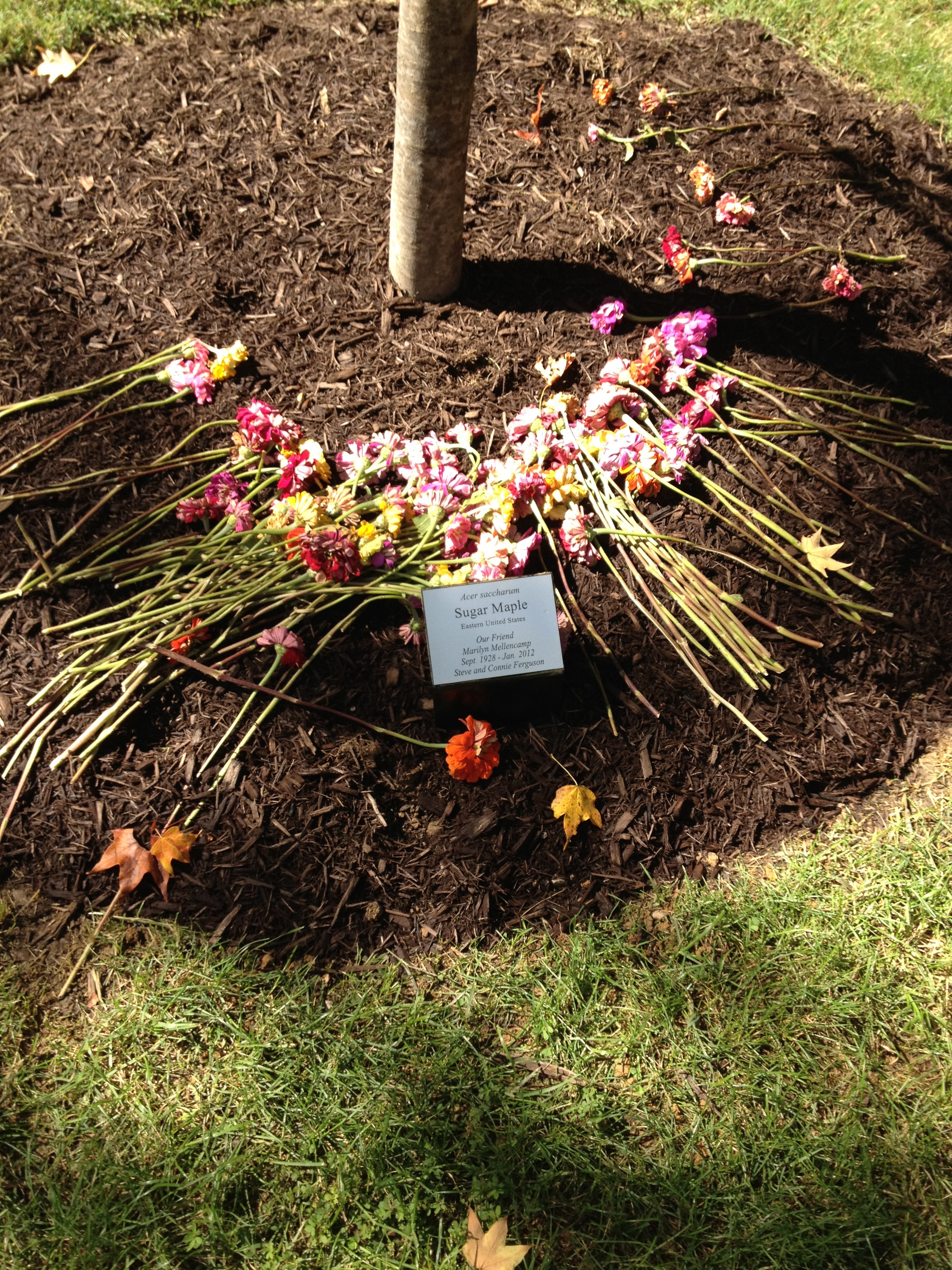
While on a stroll between appointments at Indiana University in Bloomington, I came across a tree with flowers laid underneath and a memorial plaque at its base. I glimpsed the name Mellencamp, and for a fan of rock, it didn’t take much imagination to tie it to John Cougar. Indeed, the memorial is dedicated to his mother, an artist, who died earlier this year. I first came to know of Indiana University because of music. I married a musician who, like myself, had to sacrifice a career doing what she loved in order to “get by.” Although she hadn’t studied at Indiana, my wife knew the reputation of the campus well. At a sunny moment between appointments I sat outside one of the music buildings listening to students practice through the open windows and read about Marilyn Mellencamp. An article in a local paper explains that this week an exhibition of her art is on display in Bloomington. When I read the quote from Waldron Arts Center Gallery Director Julie Roberts that the arts “are viable ways to make a living and they are vital part of being a happy and alive person,” I felt a renewed sense of hope. There are others, it is clear, who see that the arts are called the humanities for a reason. In a culture where only money matters, there is no culture. Think about it.

Since the industrial revolution we’ve been told that the measure of a human is how much money they are able to make. Something profound has been lost since then as great universities cut programs for the arts and humanities while business departments build new facilities. Talk about gaining the world but losing your soul—business cattily replies, “I have no soul.” While John Mellencamp never rivaled the biggest bands for income, his work, particularly Scarecrow, is full of human empathy. I listened to that album over and over in 1985, recounting the farm crisis and the demise of those not driven by corporate greed. And looking at this maple tree I wonder when the last time was that someone honestly mourned the death of a corporate mogul.

It is the mark of a deeply schizophrenic society that we all aspire to what fails to inspire. Our economy is driven by the material—money—and not that which speaks profoundly to what it means to be a human being. We keep the arts alive because the wealthy require something worthwhile upon which to spend their lucre. Is not buying art buying part of another person’s soul? We can’t define souls materially, science must conclude they don’t exist, but every time you say, “I feel happy/fulfilled/satisfied” you belie the facts. Souls may not be material, and they may never be found in laboratories. They are nevertheless part of the human constitution, and I for one, would lay a flower under a tree and know that it is more than just fertilizer for the next growing commodity.


Edeniana

“On Jordan’s stormy banks I stand, and cast a wishful eye”—so begins a hymn I learned as a child and which has followed me to Bloomington, Indiana. Campus visits are an expectation of some academic editors, and as I stand and look at Jordan River on the Indiana University campus, I can’t help but feel a little disappointed. I have no idea if this little stream was named after the Jordan River of Israel fame, or if it just happens that someone named Jordan was a benefactor of the university. Given that there is a Jordan Hall, and a Jordan Street, the latter seems likely. Nevertheless, whether liquid or liquidity, any Jordan in contemporary society probably traces its origins back to the river that now separates Israel from Jordan (named after the river). Many hymns celebrate the mighty Jordan without the benefit of geographical experience. The mythic river is not mighty or majestic, but a slow-moving artery that sluggishly empties into the Dead Sea. With all the history of Christian imagination, however, we like to think of it on a par with the Euphrates, or at least the Mississippi.

Jordan’s stormy banks

Biblical images have a way of catching the imagination. Although many younger people have no training in the Bible or Christianity, our culture is steeped very thoroughly in it. For some who are just rising to voting age, it must appear incredible the amount of effort politicians still put into keeping the old faith alive. It is clearly so here in Indiana. Driving down from Indianapolis I passed many signs that the Biblio-Christic pulse still throbs in the heartland. As I stopped to check my directions, I realized I’d just parked across from Pray Street. In a land where an imperative verb for a religious function stands a chance of becoming a street name, anything is possible.

After I returned from my trip to Israel many years ago, I realized that I’d neglected to take any pictures of the Jordan River. It runs like a leitmotif through our national imagination that it almost seems worth going back just to snap a shot or two. The Jordan is redolent of Eden, a land that is, according to Genesis, defined by four rivers. Water is a precious commodity in the arid Middle East. Its fluid nature seems not to have achieved the level of metaphor for those who insist on warring over religion. For gardens to bloom, there must be water and its short supply raises tensions. Water connects, however, just as readily as it separates. One of the first steps towards the great civilizations was the technology of travel by water. Why can we no longer use it for connecting rather than gerrymandering? I don’t know why this little stream is called Jordan River, but I do stand by its banks and cast a wishful eye.


Private Property

I’m receiving a government-sponsored massage at Newark’s ironically named “Liberty Airport.” Like most federal freebies, this massage leaves me wanting. Now, I’ve had many pat-downs to protect me from people like myself, and each time I find myself feeling like so much meat for politicians’ pork-bellies in this culture of fear. I am afraid. It isn’t terrorists who worry me, but my own elected (sometimes) guardians. When being a citizen is considered the same thing as an enemy of the state, there is a problem. In the line next to me is an infant-in-arms being given a pat-down by a stranger. Yes, ma’am, my tax dollars help pay for that. Please, don’t bother to thank me. It will be only the first of many.

The last time I flew was from London to New York. In Heathrow US citizens aren’t sent through the humility of full-body scanners. Only a nation afraid of its own does that. I often ponder what this means. Frequently I hear, “these colors don’t run.” I wonder if it’s because they’re too busy sticking their hands down their own citizens’ pants. Home of the brave? Only if bravery means giving in to the intimidations of terrorists. I’ve fallen off a bicycle a time or two. One time it was with pretty messy results. I’ve even actually fallen off a cantering horse. (That may explain a thing or two.) As a child I was always told that you need to get right back on and try again. After 9/11, however, our country showed its naked fear in the overregulation of air security while continuing deregulation of the airlines. Money does not guarantee a secure future.

If our government has a desire to see its citizens naked, what more need they do? They know every penny we earn or exchange, taking a cut each time, and the only way to get on a plane without hassle is to let them view everything. It’s not good for my Constitution. Our Constitution. Moral outrage, however, is apparently a thing of the past. Full-body scanners may be science, but I still believe in the humanities. And when a babe in arms is considered a threat to national security, I have to wonder what we’re truly afraid of. And next time do you think you could use a little more pressure on my neck? I feel like I’m coming down with a wicked headache.

Read the sign


Premature Transportation

Few experiences encapsulate one’s lack of control like commuting by bus.  As my first year of a daily commute to Manhattan draws to a close, I have experienced many mornings of standing in cold or hot air while a bus leisurely makes its way toward my appointed stop twenty, thirty minutes late.  The commuter can’t head back home for a moment’s warmth/coolness, because the bus could come at any time.  The sense of utter helplessness as you know that you’ll be late for work, and that you got up at 3:30 a.m. for this, settles like an iron blanket over what might have begun as an optimistic day.  Then there are those who sit beside you, totally beyond your control.  I’m a small guy and I sit scrunched next to the window to get as much light for my reading as I can.  Very large people find the extra space next to me attractive, although sometimes they insist I squish even more against the window so they might fit.  Overall, however, the exchange of comfort for reading time makes the arrangement palatable.  It’s the loss of time that bothers me.
 
Without traffic, my bus can be at the Port Authority Bus Terminal in an hour. To manage this feat, it has to reach my stop before 6 a.m.  On rare occasions it comes perhaps five minutes early.  When you take a bus, subject to the vagaries of traffic, the only wise course of action is plan on being a few minutes early.  Drivers who watch the clock are dangerous.  So it always annoys me when passengers down the line complain if a bus is one minute early.  On those exceptional mornings I hear strident voices raised, “you’re two minutes early—I had to run!” or “I was sitting in my car; you came too early!”  The driver is scolded and the next day we’re all half an hour late for work.  It is the problem of premature transportation.  Time, to the best of our knowledge, is something you never get back.  I would rather be early rather than late.
 
I first conceived of wasted time as a religious problem when I was in seminary. There was always so much to do, and relinquishing time to pointless activities such as standing in line, or waiting for the subway, grew acute.  Now that I’m an adult anxious about holding down a job that requires a lengthy commute, the issue has arisen again. Clearly part of the difficulty lies in that time is frequently taken from us.  The nine-to-five feels like shackles to a former academic.  I had classes anywhere from 8 a.m. to 10:30 p.m. without considering the drain on my time.  It was largely, I believe, because pointless waiting was not very often involved. Time, like any limited resource, must be parceled out wisely. Time to bring my morning meditation to an end and get ready for the bus. And if it’s early I will consider it as a divine gift.


Searching for God (Rock)

The last time I visited my native western Pennsylvania I went on a quest to find the “Indian God Rock.” This is a local landmark that contains a rare set of Native American petroglyphs from around 1200 C.E., and which I have never seen. Having heard of the stone since my earliest days in the local school system, I was curious to see it. The moniker “God Rock” is complete speculation, based on early assumptions that the Algonquin wouldn’t have inscribed the stone without religious motivation. Since that time, however, the site itself has been deemed a numinous place by some by dint of having authentic petroglyphs. What makes any site sacred is the experience of the visitor. I had lived in this area for the first two decades of my life and never found it. Of course, there was no Internet in those days and its location was remote. Sacred places should be difficult to reach. It was about time.

The Indian God Rock is located on a bicycle trail. For me that now translates into bicycle trial. I used to take epic bike trips with my brother, but although they say you never forget how to ride a bike I am agnostic on the point. I have ridden a bicycle a few times in the last decade or two, and always with unusual aches when it’s over. I still like to jog, but perhaps having my feet in contact with the ground is a kind of sacred behavior in itself. In any case, when I went after the God Rock, I was on foot. Although I’m motivated in a fairly serious way when I’m on a quest, I also know what it is to be outvoted (unlike some politicians). Without a map, perhaps on the wrong trail, in the rain, after a couple hours of walking, I had to bow to the wishes of the majority and give up.

On the way back to the car, I found a newt. In my younger days in this region I used to find them in our yard following a good rain. They are delicate creatures. When you pick them up, they try to scrabble out of your hands, supposing, as nature informs them, that to encounter a larger force is to risk being consumed. I think that this must be similar to human religious motivation. In the presence of something larger than ourselves, something that boggles the mind, we assume it is a god. The reality of the matter, however, is that the life within us is the closest we get to the divine. The newt in my hands is the true wonder. Somewhere not far from here is an Indian God Rock that I have never found, but right now life is in my hands. I later discovered I had been on the wrong trail all along.


Illini Wisdom

Running through the Midwest like a massive, erosive serpent, the Mississippi River has an unrivalled place in the American imagination. In many locations the relentless river has carved impressive bluffs over the millennia, providing impressive views out over the valley that has been carved in nature’s time. Down near the town of Alton, Illinois, along the eastern bluffs left by the sculpting waters, is a reproduction of the Piasa Bird. Years ago, while living in the Midwest, some relatives took me to see the replica, a local tourist attraction and not a bad place to watch for bald eagles. It was then that I first heard the myth of the Piasa Bird. “Bird” is a bit of understatement, or perhaps a misnomer. The creature was really a monster, by any description. According to the lore presented by the tourist literature, the Piasa was a flying, human-eating beast that terrorized the local Illini tribe. Unsure of what to do, the tribe was at a loss until Ouatoga, their leader, had a dream that revealed an ambush as the means of defeating the monster.

The ambush involved, as is often the case in folkloristic accounts, a victim. Someone had to be bait to draw the Piasa into the ambush of poisoned arrows that had been arranged. Ouatoga, aware of the obligations of leadership, volunteered for the role of the victim and stood in the open to lure the Piasa into the trap. As the monster swooped down on him, the warriors released their arrows, killing the beast and saving their leader. The story bears much in common with myths throughout the world: a frightful beast, a sacrifice, and ultimate deliverance. This framework also appears in many religions, outlining the human condition. It also reflects, in an abstract way, the ideal of pre-modern society; we are all in this together. Banding together against an outside evil, human society might banish the monster and everyone’s chances would be improved. It is the world of mythology.

In our enlightened society the emphasis seems to have changed completely. Our leaders are often our Piasa, snatching from the populace at will and maintaining uneasy control. Ouatoga, in the myth, understood the role of leadership as being willing to sacrifice everything for the good of those who were under his watch. The idea also occurs in the Bible where Ezekiel charges the ungodly kings of Judah with being shepherds who eat the sheep. I still believe in the power of mythology. Stories are preserved because of a truth that resonates with the hearers. Monsters are in no short supply, and a society that is subject to the whims of an oligarchy perhaps has the most to learn from our mythological past. When is the last time a public leader offered to give up anything in order to serve the populace who grants him (sometimes her) his power? Old Man River, he must know somethin’. Looking up at the Piasa, I think I might be able to guess what it is.