Ninth Day of

I read Les Standiford’s The Man Who Invented Christmas back in 2017 and learned a lot from it then.  Some of what I read on the bus, however, has faded a bit with time and I was curious to read it again in the light of the reading I’ve done about Washington Irving.  Irving was a bit older than Charles Dickens and had, it seems, given Dickens the idea of writing, first, a sketch book (Sketches by Boz), and second, writing about Christmas.  From what I’ve read about Irving, he had a cautious liking of Dickens but wasn’t terribly impressed.  Standiford does note that it was Irving who suggested an American tour to Dickens (it didn’t turn out well) but he (Standiford) indicates that Irving was a staunch fan of his English colleague.  Were I able to spare the time, I would follow footnotes and read letters to see if I could get to the heart of the matter.  Of course, I’ve become much more interested in the history of modern literature in recent years.
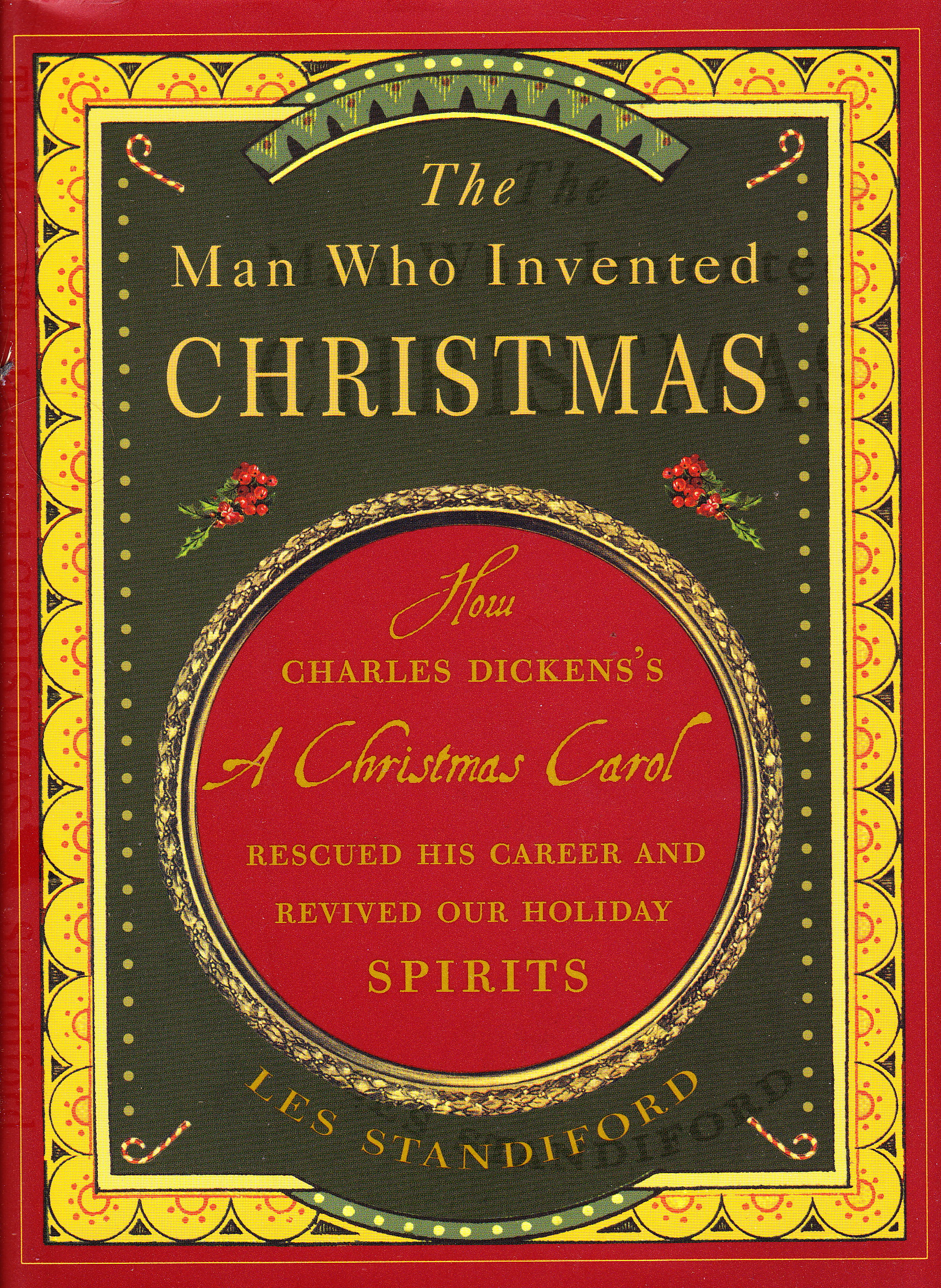
It would be difficult to overestimate the influence of Dickens in English literature.  As Standiford points out, he helped to invent novel publication as we know it.  Although he took up the gauntlet of international copyright (something Irving had earlier understood as important), he became internationally famous partially through pirated works.  We still use the phrase “What the Dickens” to express surprise. (It turns out that the expression predates Charles—now that’s influence!)  As Standiford notes, however, we’ve passed the era when a single author can have such great influence.  Dickens was a singular talent and read by vast numbers of his compatriots and also grew a respectable readership in the United States.  He also had a great deal of influence on how we celebrate Christmas.  I was this time looking for Irving lurking in the shadows.  And I found him.  Dickens was an enthusiastic fan of Irving.

Standiford brings Irving into the discussion often, but also perpetuates the association of “It was a dark and stormy night” with Edward Bulwer-Lytton (who did use it) without mentioning that the phrase originated with Washington Irving.  One gets the sense that Irving was completely eclipsed by the work of his young fan, Charles Dickens.  Standiford mentions Irving quite a lot in this little book, but it’s about Dickens and not his American colleague, of course.  And Standiford also notes that crediting Dickens with the “invention” of Christmas is overstatement.  The story is nevertheless fascinating.  To me this second reading underscored the importance of Irving for the Christmas holidays, and also how terribly difficult it is to make a living as a writer.  I’m glad I came back to it, even when life otherwise threatens to be too busy for re-readings.


Reading 2023

As has become my tradition, I’ll end the year reflecting on the books I’ve read.  For a variety of reasons this is the first time in nine years that I haven’t cleared seventy books.  (I ended up one shy.)  But looking back over what I read, I may see some logic behind this.  Many of the books were academic, and specifically, academic in fields outside my formal training.  That also means they generally didn’t make it to my list of favorites.  2023 was also unusual in that it wasn’t until about late spring that I started to read books I really enjoyed.  The first on my list of memorable titles is Andi Marquette’s The Secret of Sleepy Hollow.  This was followed by a couple other fiction titles, Grady Hendrix’s Final Girl Support Group and Gina Chung’s Sea Change.  Those ended up being my favorite three fiction titles of the year.

For nonfiction, I finally read John Hersey’s Hiroshima, memorable, if terrifying.  Also along the lines of history, I found Lesley Pratt Bannatyne’s two books Halloween and Halloween Nation, to be particularly good.  Mark Dawidziak’s Mystery of Mysteries may well have been my favorite historically-oriented book of the year.  Donna Kornhaber’s Silent Film: A Very Short Introduction was also quite well done.  I always enjoy books on horror films, and two on The Exorcist were noteworthy: Nat Segaloff’s The Exorcist Legacy and The Exorcist Effect by Joseph P. Laycock and Eric Harrelson.  Why It’s OK to Love Bad Movies by Matthew Strohl, which I read a bit earlier in the year was also quite good.  By far the most helpful book in a personally troubling year was The Boy, the Mole, the Fox and the Horse by Charlie Mackesy.

In years past I’ve generally had more commendable books on my list.  I did, however, finish the last three Dark Shadow’s novels by Marylin Ross, reaching the bucket-list item of having read the entire series.  I also found Jessica Verday’s three-volume series strangely memorable, although written for young adults (found here, here, and here).  While the number of books I really enjoyed wasn’t as high as in some other years, these highlights make me optimistic regarding 2024.  I used to follow the Modern Mrs. Darcy’s reading challenge guidelines, until they stopped being published, and now I find myself left to my own devices, for the most part.  Much of my reading is driven by research, and I suppose I should also mention that my own fifth book was published in 2023 as well.  I don’t expect it’ll be anybody’s favorite, but it is nevertheless an honor to be part of the conversation.


Bears Repeating

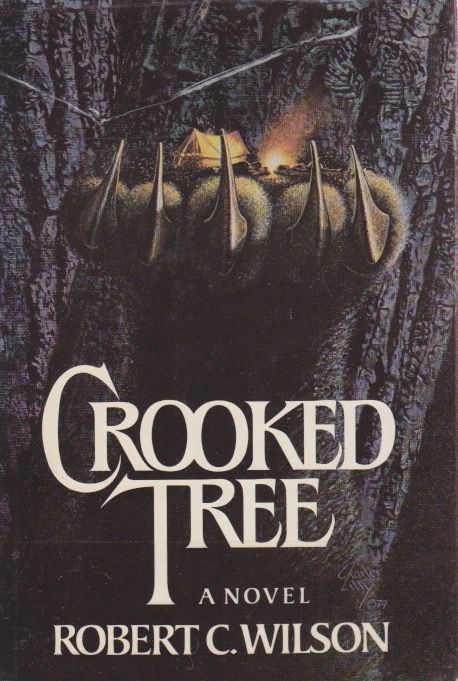
I read Robert C. Wilson’s Crooked Tree before I began this blog, I guess.  I remembered it being better than it seemed this time around, but it works as a horror novel.  In fact, the first third or so was quite unnerving, although I’d read it before.  After that the plot tends to require greater suspension of belief.  But then again, American Indian horror has come a long way since then.  Wilson, according to the limited information about him online, isn’t an Indian.  These days publishers are very concerned with appropriation—something that wasn’t an issue back in 1980.  And these days the work of Stephen Graham Jones, who is both a Blackfoot and an excellent horror writer, raises the bar considerably.  But Wilson is honest about the situation in his laying out of the novel.

Axel Michelson is a lawyer and he’s working to preserve the fictional Crooked Tree State Forest and prevent development.  Many of his colleagues and neighbors in Michigan are Indians, and so is his wife.  Axel’s efforts are hampered by a sudden onslaught of black bear attacks.  The description of the first three or four are scary enough to dissuade you from ever going camping again.  Axel’s assistant is an Ottawa and and he and his family suspect a bearwalk is involved.  This is the reason I read the novel the first time.  As a Native American folkloric monster, the bearwalk is difficult to uncover.  There are a couple more novels—one of them hard to find—that feature the tales, and there’s a university press book on folklore that has some accounts.  Not much more is out there that I can locate.

A bearwalk is a kind of shape-shifter.  A spirit that can control bears, in this case.  Axel becomes the white savior who uncovers the ancient ritual to stop the bearwalk, which has taken control of his wife—his main motivation for stopping it—while the Indians can’t figure out what to do about it.  They do tell him about the ritual, but mourning the loss of their culture, they fear it’s gone forever.  Meanwhile the bear attacks continue but once the shock of the first few attacks has worn off, they don’t scare so much.  There’s also a lot of supernatural involved, mostly drawn from native traditions.  It seems clear that, like Axel, Wilson did quite a bit of research on American Indian folklore.  He treats the Ottawa culture with respect and wrote a novel that might’ve had more influence than it seems. It’s well worth the read the first time around.


Who’s Knocking?

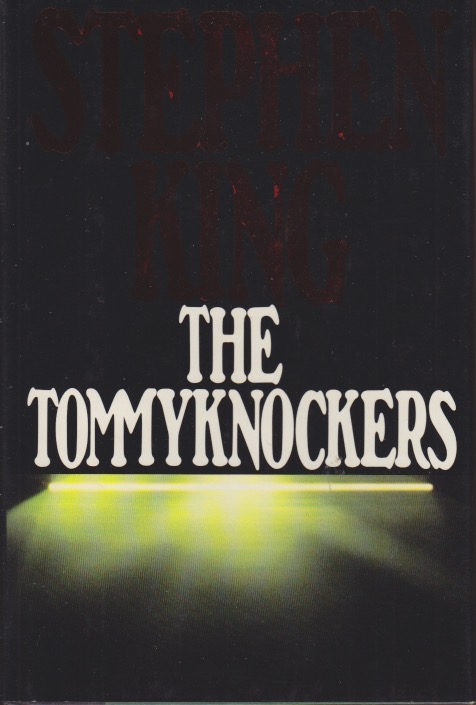
I’m by no means alone in enjoying Stephen King novels.  I’ve read a fair number over the years.  I was put on alert for The Tommyknockers by a scholar who pointed out some of the religious elements in it—again, not rare in King’s oeuvre—but I’d never heard of it before that.  I’m not really a good fan boy, I guess.  In any case, I saw a copy with the shiny copper of King’s name worn off at a library book sale for a buck.  It sat on my shelf for many months because, well, it’s long.  I finally pulled it down in October only to discover that it wasn’t my favorite King story.  For one thing, it’s simply too long.  For another, the characters aren’t the easiest to cotton onto.  If you’ve not read this one and you plan to, a spoiler of two might slip out but I’ll do my best not to ruin the ending.

I think horror when I think King, although I know it’s unfair to typecast authors like that.  Tommyknockers is more King’s hand at science fiction.  Well, at least it has a space theme, which is generally a cue for sci-fi in my book.  Bobbi Anderson discovers a buried flying saucer on her Maine property.  With the help of an alcoholic friend (Jim Gardener) she begins to excavate it.  The saucer, which has been buried for millions of years, is reactivated by their interaction with it and soon the entire town of Haven, except those with a lot of metal in their bodies—like Jim, are under its power.  They invent advanced gadgets (and weapons) using power from the ship and standard batteries.  They begin physically transforming into something less than human.  Jim, mostly immune, tries to help Bobbi out but he, along with a fairly extensive cast of disposable characters, are powerless to stop things.

Like most King novels, it’s well written.  Like some of his other material, it’s over-written.  Having had my own written work chopped down  (and, let’s face it, I’m now an editor), I see places where cuts could be made.  As with any long book, however, I’m left feeling a bit lonely now that characters I’ve read about nightly for many weeks are gone.  Even though I really had a difficult time evoking much empathy for them, hey, they’re people too.  Or so it seems.  Such is the magic of fiction.  Besides, there are bits of the old King horror still present in the book.  I know it won’t ever be my favorite King novel, but it won’t stop me from reading another, when I have the time.  Hopefully the next one will be a few pages shorter.


New Gremlins

I haven’t seen the movie Gremlin in years.  I’m adding it to my Christmas list this year, however.  Probably because I watched Shadow in the Cloud recently.  And although that gremlin wasn’t cute, it led me on a journey of discovery, and that counts for something.  I have to admit, first of all, that I’d never heard of Roald Dahl before a kind family member sent us some of his books when our daughter was young.  We became rather hooked.  His novel The Gremlins was among those we read but there was something I didn’t know (one of trillions of somethings, of course).  And that is that Roald Dahl was probably the reason anyone outside the Air Force knew about gremlins at all.  Dahl was a pilot with the Royal Air Force.  His first children’s book was the aforementioned Gremlins.

Image credit: US Government, public domain, via Wikimedia Commons

I first learned about gremlins from The Twilight Zone.  “Nightmare at 20,000 Feet” came close to giving me literal nightmares.  (And Nope reminds us that there may be things in the atmosphere that we really know nothing about.)  That particular episode was based on a short story by Richard Matheson.  It was also incorporated into the 1983 Twilight Zone movie which I have, unaccountably, never seen.  Of course, I saw Gremlins in a theater back in my college days.  That was before I understood, or really had any interest in holiday horror.  This is one of those instances where the birth of a monster can be traced and its lore can be watched to grow, in real time.

Dahl took something he’d heard about—gremlins weren’t believed to exist by anyone—and made it literal, in the form of a children’s book.  Soon after, other vendors, such as cartoon creators, picked it up.  In the Twilight Zone it began its transition to horror.  Then a regular horror movie was made of them.  All of this has taken place since World War II and there are plenty of people alive who were around at the time.  Shadow in the Cloud was a reboot of a monster generally underused.  There are few times people feel as vulnerable as when they’re flying.  Heck, climbing a tall ladder is enough to give me the willies.  And the movies have shown us that even on the ground we’re not really safe from the monsters of our imagination.  That’s why it seems like a good idea to me to watch Gremlins again.  And to dream of the monsters we invented.


Buy Books

It’s funny how the bad guy can become the good guy in new circumstances.  I’m thinking in the bookstore context.  Now, I love independent bookstores.  I shop in them whenever I can.  Still, I had a genuine fondness for Borders.  My wife introduced me to Borders when I moved to Ann Arbor to be with her.  Borders was headquartered in Ann Arbor and it was our go-to for browsing.  (This was before Amazon, of course.)  Compared to Barnes & Noble it was intellectual and inviting.  B&N had gone for the corporate stodgy aesthetic that drives me frantic.  We literally mourned when Borders closed, spending hours in the New Jersey stores as they were selling off stock.  There was a long time when Amazon seemed the only game in town.  Our part of New Jersey had no indies, but the B&N sat on the hill.

Then B&N started having trouble.  By now I worked in publishing and seeing the only brick-and-mortar outlet crumbling was scary.  We need to fight the ebook invasion.  To do this we need bookstores!  (Fortunately we have a few good indies where we live in Pennsylvania, but even so, at least two of them have closed in the last five years.)  Then something happened.  James Daunt bought Barnes & Noble.  Daunt was known as an innovative British bookseller.  His stores (I’ve only seen pictures) are the thing of dreams.  Could he steer this corporate stodgy ship into open waters?  It seems to be working.

A piece in a recent New York Times praises the new B&N effort.  Instead of stamping “one size fits all” all over his business, Daunt wants his stores to take on local flavor.  Not look like every other B&N.  And it seems to be working.  I still prefer my indies, but the last time I was in the local B&N I noticed subtle changes that can come when a corporate overlord hands a local manager a bit of autonomy.  The stores are looking better.  And folks, let me be frank here.  Christmas is coming and books, real books, need your help.  Silicone Valley is trying to force us onto our screens for even more hours of the day.  I get off work and pick up a paper book to read.  To look at something real.  To connect with the actual world.  Support your indies, but don’t feel guilty about ducking into B&N.  It may not be the place you remember.


Reading Prompts

Perhaps it’s because maybe a half-dozen times in the past two years I’ve forgotten to click “publish,” or maybe everyone gets this, but WordPress started giving me daily prompts when I open the new post screen.  Everyday blogging questions such as whether you’re where you’d thought you’d be last year at this time, or what’s your favorite holiday food, or talk about your father or a father figure in your life (a loaded suggestion!).  I appreciate the thought, but I do strive for some measure of depth here.  Believe it or not, many of my posts are metaphorical, written about something that’s not the “obvious” subject of the mini-essay.  (Often when people criticize me it’s because I’m posting metaphorically.  Or maybe I just don’t know what I’m talking about.)  In any case, there have been times when a writing prompt might’ve been useful.  I haven’t used any, though.

Writing is a strange avocation.  These days many people make some kind of living as self-published authors.  The internet offers ways to minor fame—in some cases major fame—for anyone who has the time to put into it.  There’s always the question, however, of what to talk about.  This blog began, back in the days when I was fresh out of teaching religious studies, as a place where I could discuss the Bible and culture, or, more broadly, religion and culture.  That in itself limited the appeal.  People are fascinated by religion but really don’t want to read about it.  So it was that initially I had many followers—particularly among the biblical bloggers set—that eventually dropped off when I began writing about secular subjects.  Mostly I tend to focus on books.

There’s an irony to that as well.  As much as the internet helps some of us learn about books, it’s also a place that has diminished them.  Many people focus on social media to the point that there’s little time left to sit down with an actual book.  Interestingly enough, none of the prompts that WordPress now sets for me daily, has asked about what books I’ve been reading.  Perhaps books are the natural enemy of the online world.  If so, I seem to be caught between worlds.  I set aside time each day for reading, offline.  For those of us who write, reading is our food.  It often gives me the prompts I need for writing daily blog posts.  Even the days that I miss aren’t for lack of content—they’re simply forgetfulness because non-reading events crowd the rest of life.  It’s no wonder, then, that I try to engage others by asking, what books have you been reading lately?


Reading 2022

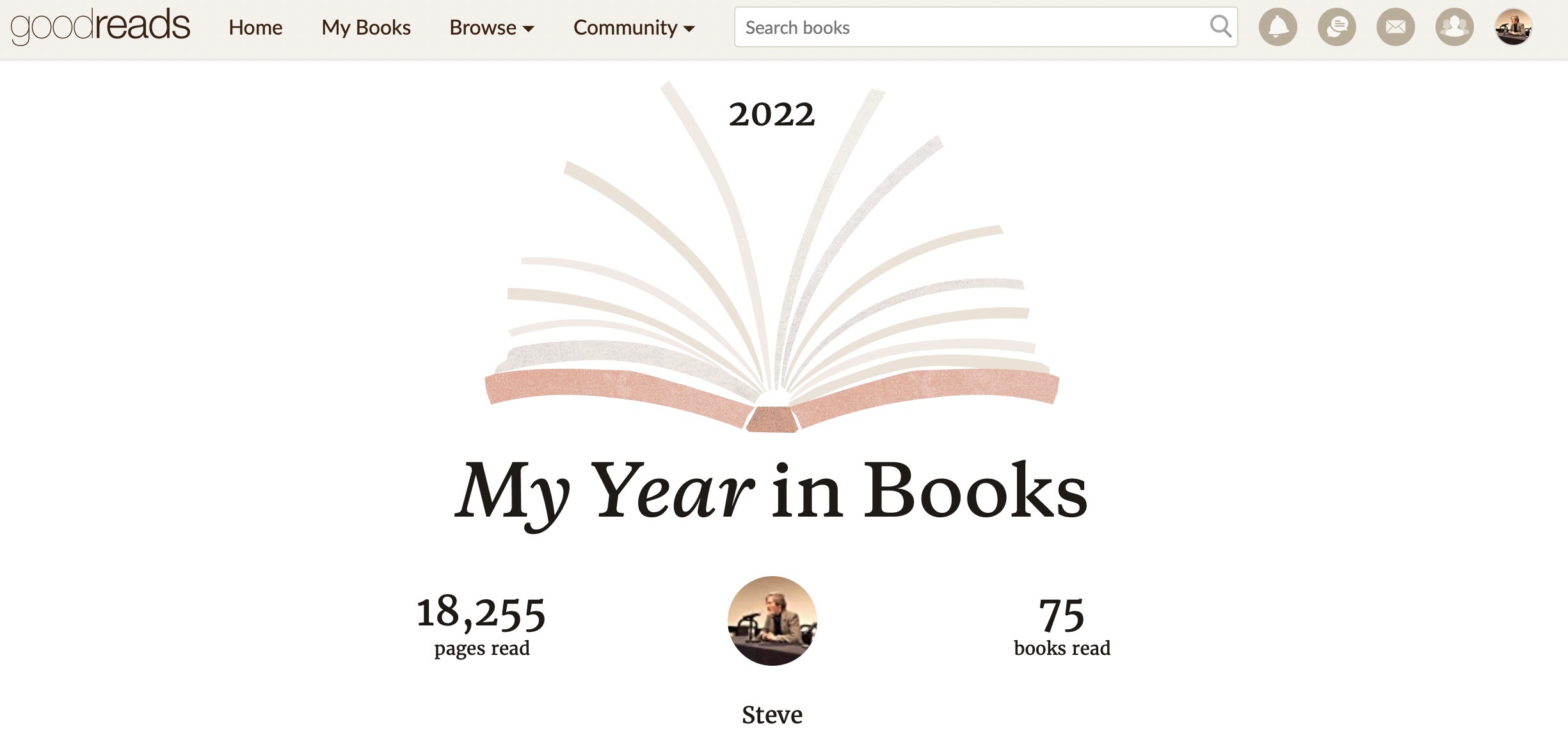
Reading.  The crank of time seems to rotate faster each year.  For me, it’s noticeable when I look back on my year in books.  I find Goodreads indispensable for keeping track of what I’ve read, but also for giving me a snapshot of where I was.  On the cusp of 2023, I finished the year with 75 books read.  In general, my nonfiction reading at any one time is geared toward my research writing, non-university style.  So I began the year reading about ghosts for an article I was writing, then I read about Celtic religion for my Wicker Man book.  I started reading quite a bit about “The Legend of Sleepy Hollow” toward the end of the year.  And I try to keep a healthy selection of fiction going as well.  So looking back over 2022, what were the most memorable tomes?

In nonfiction Brett Hendrickson’s Border Medicine, Gwen Owens’ Ghosts: A Cultural History, Harry M. Benshoff’s Dark Shadows, Edward Jarvis’ Sede Vacante, Grady Hendrix’s Paperbacks from Hell, Douglas E. Cowan’s The Forbidden Body, Shane McCorristine’s The Spectral Arctic, Russell Shorto’s The Island at the Center of the World, W. Scott Poole’s Dark Carnivals, and Philip Ball’s The Modern Myths stand out.  I think the most lyrically written book also falls into nonfiction was probably Alberto Manguel’s The Library at Night.  There were many other good books mixed in there too, but these give a pretty fair snapshot of the year, as I experienced it in the quiet hours before work, mostly, when the real work gets done.  (If you ever get curious, one of the categories on this blog is “Books” and that will bring up the many posts written on my literary year.)

Fiction’s always a little more subjective, it seems to me.  For example, I read Dark Shadows novels for nostalgia, not because they’re good.  What was good this year?  Leigh Bardugo’s Ninth House, Laura Purcell’s The Silent Companions, Andrew Michael Hurley’s Devil’s Day, Christina Henry’s Horseman, Shaun Hamill’s A Cosmology of Monsters, and Yan Ge’s Strange Beasts of China particularly suggest themselves by being memorable.  I also started reading collections of stories again, and Jorge Luis Borges’ The Alpha and Other Stories, Angela Carter’s The Bloody Chamber, and Daphne du Maurier’s Don’t Look Now were all well worth the time getting back into short fiction.  So many of the books I read were good on multiple levels.  Even those I didn’t so much enjoy, I learned from.  And I’m already anticipating a 2023, knowing no matter what else it will bring, there will be books.


Booking Dreams

There’s a certain kind of person—many of with whom I work—who trade in the currency of books.  These are individuals who would rather be paid in books than in cash, and who worry of book orders shipped that seem to take too long to arrive, as if the rent check will be late because of it.  Who check the tracking number multiple times a day and can’t rest secure until the book is within their doors.  These people tend to be educated, whether formally or on their own, and they often wonder why the world can’t be a more amenable place because reading makes you realize the potential we miss.  My own reading convinces me that capitalism is mostly to blame.  It rewards the greedy and makes them try to fix elections and posture against other greedy leaders.  Books often show a better way.

I realize not everyone likes to read.  In fact, if you do so for pleasure you’re part of a minority group.  Those who read, and conduct surveys of those who do, estimate that only about five percent of the population reads and trades in books.  That makes us a very small nation indeed.  But some countries, such as Iceland, have higher proportions of readers, and other nations have lower.  Books, as a whole, saw a resurgence of interest during the pandemic because they are a way of getting together with other people and going to faraway places all within the safety of your own home.  I like to think a book-lined room is also well insulated.  Especially if all those little gaps are caulked with smaller tomes.  Occasionally photos of individual libraries circulate and go viral.  We’re impressed, we bookish folk, by those who read so much.

The book industry’s having a bad economic year.  In my own humble efforts I tend to read more than a book a week, on average.  I do this by reading more than one book at a time.  The amazing thing about that is you can pick up one of the multiple titles you’re reading and resume where you left off.  Very seldom is there any confusion or even forgetting what a book is about.  A physical book has so many tactile cues to remind the reader of things.  That’s why those of us who like to read tend to keep books.  We like to be able to go back and since we can’t predict our future wants and needs with any precision, we err on the side of collecting.  I do give books away but often I come to regret it because I need some unexpected volume again.  Books have their own economy.  If only we could all trade in books, it would be a very different, and I believe better, world.


Gift Books

The New York Times recently ran a story suggesting that books are not only the ideal gift, but that this has been the case for a very long time.  The article points out that treasured Roman Saturnalia gifts included scrolls, or the books of the time.  Books are the gift of knowledge—who wouldn’t want that?  Also, I’ve been reading about the fact that money can be any medium of exchange as long as it’s agreed upon.  Why not books?  Being an American, it’s often amazed me how intellectuals are held in such low esteem in this country.  We pay our teachers poorly, we mock those who read “too much” (as if such a thing were possible), and we dismiss what experts of many subjects tell us because we don’t like to admit others might be smarter than we are.

Reading, like arithmetic, doesn’t come naturally to people.  We evolved to survive and reproduce and our brains have that prime directive.  Along the way, however, we learned to communicate effectively and cooperate on large ventures.  These ambitions required wrapping our brains around things like advanced math and learning to interpret squiggles written by somebody else.  Kids, full of energy and needing to play, don’t want to sit down to learn these things.  At least most don’t.  In some parts of the world those who do take naturally to such things are celebrated.  Teachers are venerated.  Learning is revered.  Ironically, in this country where some of the best higher education is available, we want to belittle those who attain it.  We prefer to play with our guns.

Now that the holiday season is upon us, however, I think of reading.  I keep a list of books I would like to have.  It’s well over a hundred titles long.  In a good year I can read sixty or more tomes.  It’s an engine that requires a lot of fuel.  Although in all likelihood I’ll never be able to retire, I keep my books against that time when I fear I might become bored.  Or that my mind might start to slip.  Reading is mental exercise.  In my current writing project, I’ve been discovering new connections almost daily.  Often in unexpected places in books I learned about only in recent months.  I write these words surrounded by books.  There are more in the attic, and more in the next room.  I may not ever have enough money to retire, but if we ever decide that books should be currency—and even if we don’t—I’m wealthy indeed.


Virtual Unreality

You walk into a bookstore and browse.  Maybe you’re looking for a specific topic, or something to fit your mood, but you don’t know exactly what.  Then a title leaps out at you.  Maybe it’s a book you’ve never heard of before, or perhaps some long forgotten suggestion, nearly extinct, comes back to you at the sight.  Whatever the reason, you know you have to read this book.  You buy it and go home happy.  This is a uniquely human experience.  Yes, it applies to the leisured class who have money for books, but it is something that makes many of us feel good.  Those enamored of the virtual world are trying hard, according to the New York Times, to develop an app to replicate the experience.  Without luck.

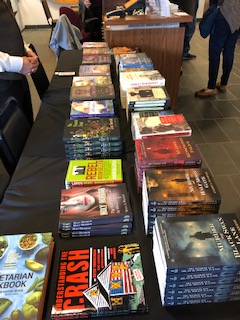
Perhaps while browsing you meet someone else.  If you’re not too much of an introvert you might ask if they find the book they’re holding good.  Maybe you go get a coffee to discuss books.  This is just one of the many things that could happen.  Here’s another: someone is sitting at a table with piles of books s/he has written.  If they’re well enough known they may have had a public reading from one of them earlier.  You might strike up a conversation.  You might learn something.  A bookstore, you see, isn’t only about books.  What app developers can’t replicate is the phenomenon of literate culture.  Apps want you to buy things.  So do bookstores, but they also want to cultivate community.  Sure, you could buy your virtual book and then go to Facebook to talk about it, but that’s not the same thing.

Those advocating for a virtual world seem more escapist than even your average bookworm.  It’s been observed that when George Lucas was devising Star Wars he took care that no books or paper be shown.  This was a post-print world.  Some believe this is the direction in which we should go, and certainly during a pandemic at times it seemed right.  Even so, when the miasma began to clear a bit some of us first ventured back to bookstores.  Indeed, books fared well during those long months of enforced isolation.  We seem to think that any human experience can be replicated with the aid of technology.  The thing about serendipity, however, is that it’s unexpected because it seems to speak directly to you and how you feel at that exact moment.  No amount of data mining will reveal such things.


Ode to Books

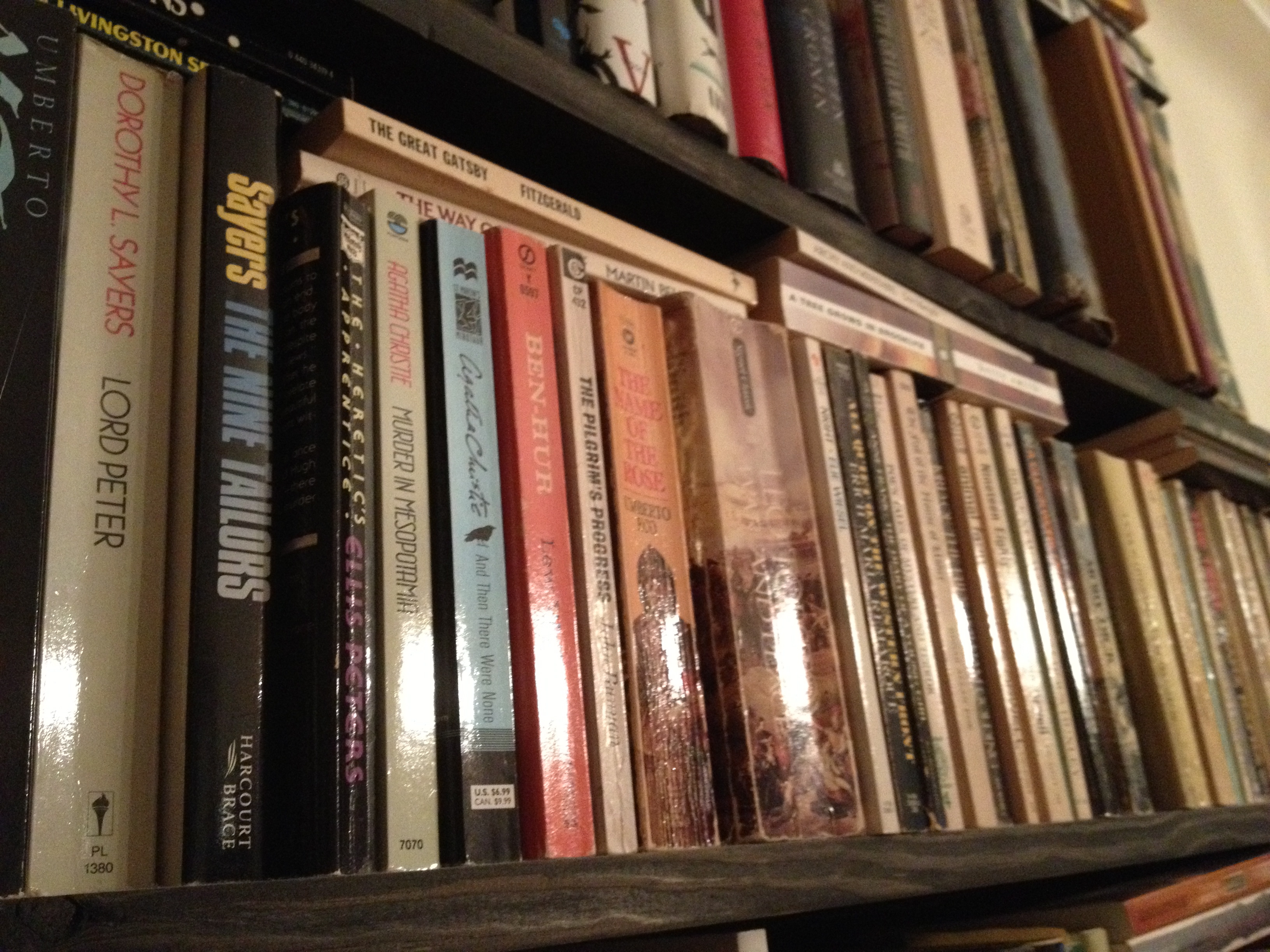
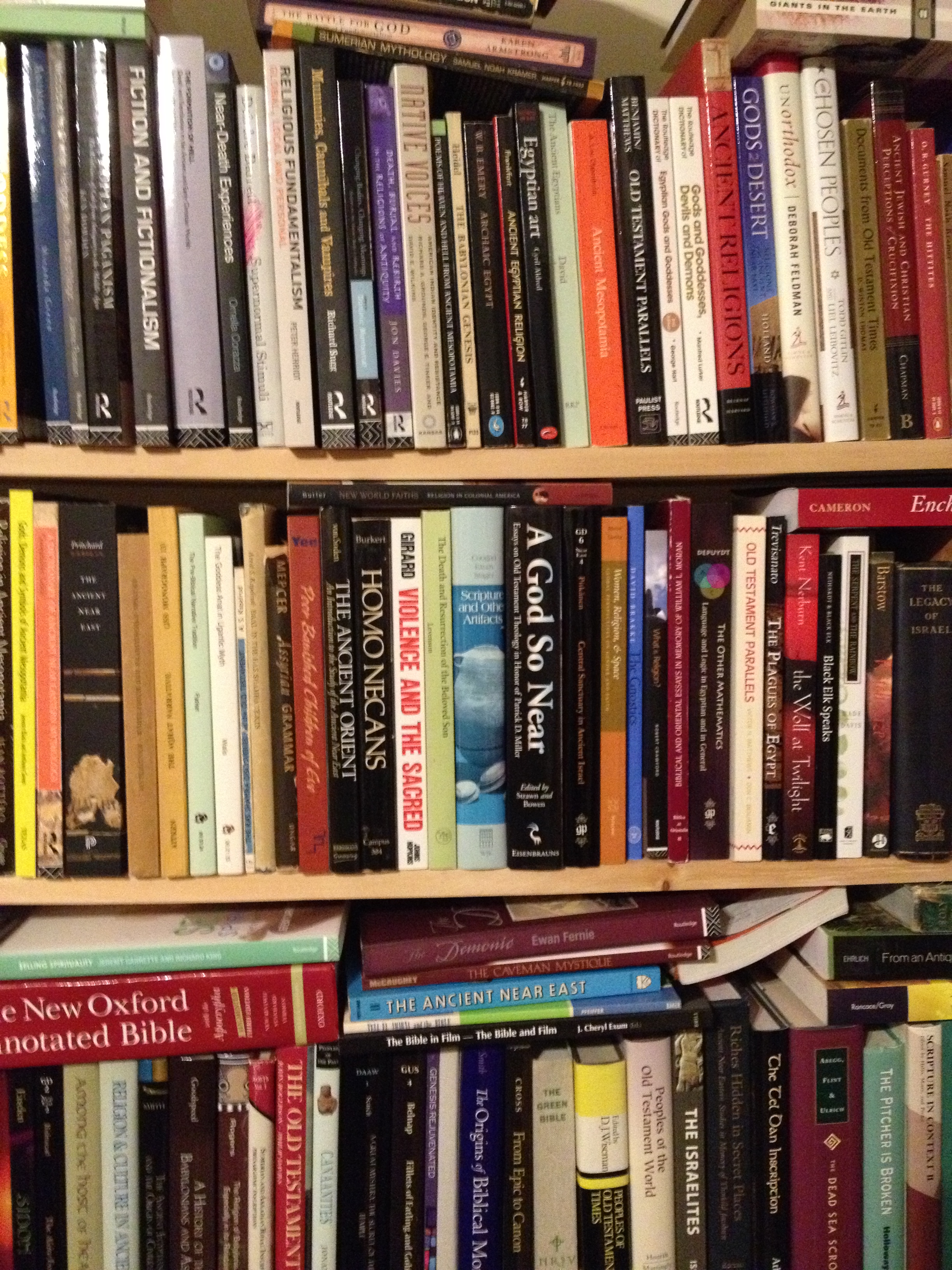
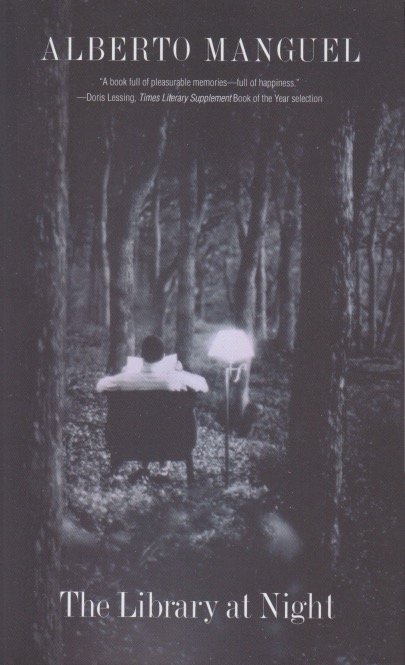
There are fewer things more personal.  Each one has a story and it reveals quite a lot about you.  Really, it’s a brave thing, putting your books out on a shelf for others to see.  Seldom have I read a book more euphoric about a book than Alberto Manguel’s The Library at Night.  A deeply literate book collector unashamed, Manguel takes the reader on a pleasurable tour of many aspects of libraries, including his personal one.  Libraries may represent many things because books are so varied.  Many of us who are bibliophiles are used to trying to justify our libraries to those who don’t care to read or to complaining movers threatening to quit.  Or even to those who write books claiming other books are clutter.  Manguel understands.

Those of us with many books but little of anything else can tell you the story behind most individual books we have.  Where we bought them and why.  Why we’ve kept them even if we haven’t read them.  Manguel understands that not all books are reading books.  There are reference books.  There are episodic instructional books.  There are books laid up against retirement or incapacitation.  Books for work, books for play.  Books bought to help you prepare for that event that never took place but might, in some remote future, still happen.  Yes, books take up space, but so do pets, furniture, and children.  There’s a cheerfulness to rooms with books, unrivaled even by elegant spaces.

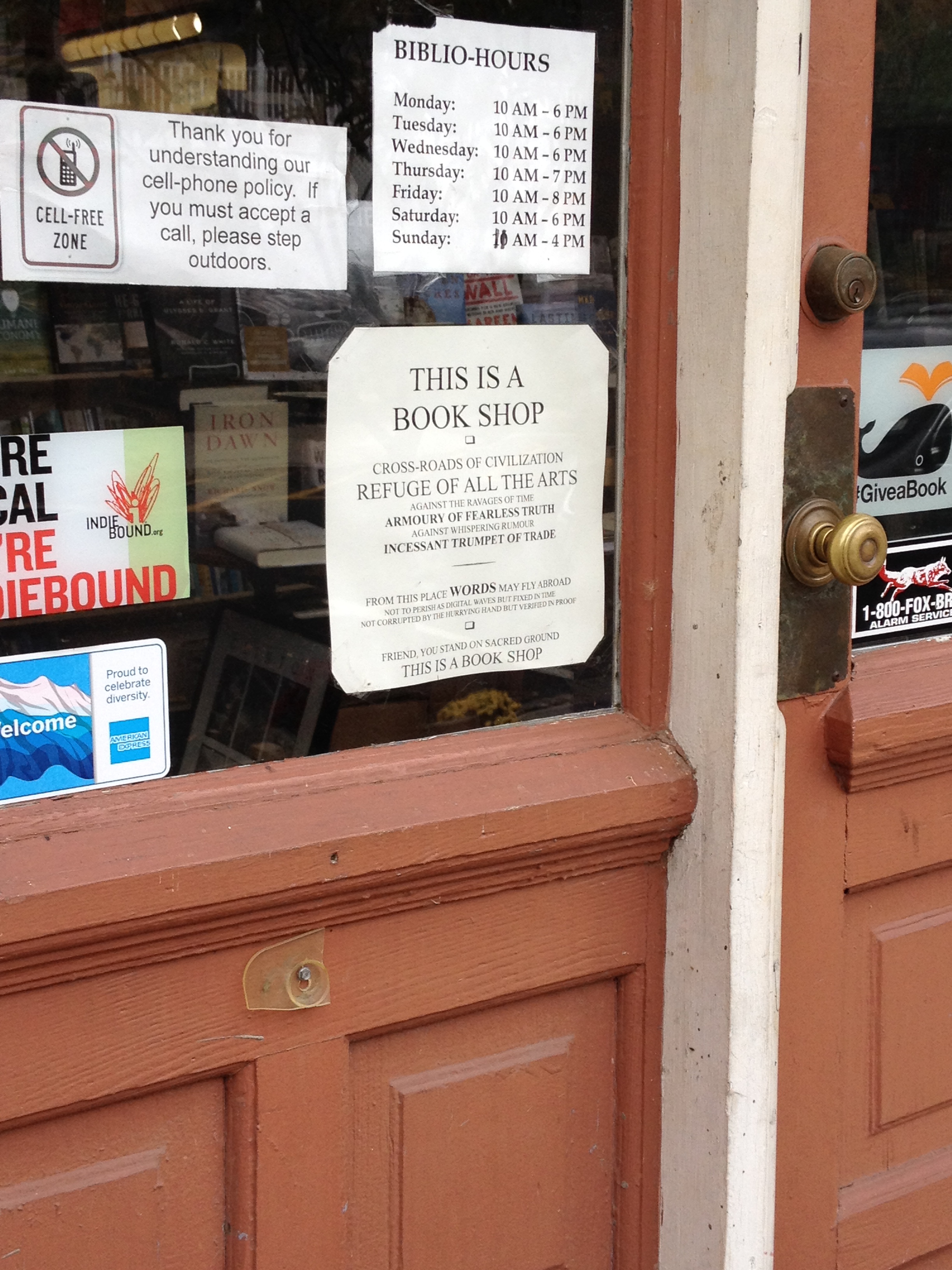
On a recent dentist visit the television was set to one of those shows where a couple is given their dream home.  I’ve watched those before in other waiting rooms and medical facilities and one thing I’ve never seen is a couple saying, “I want a home to fit my books.” And yet those homes with books occasionally make the news and garner thousands of clicks on the internet.  Those of us who are bibliophiles know we’re a minority.  Some of us actually enjoyed those high school reading assignments that so many of our classmates despised.  Our educational system, undervaluing teachers as we do, often fails to inspire the love of reading in the young.  Manguel’s book is for those who were inspired, who remain inspired by books.  Those of us who categorize and move them around.  Take them with us.  Who love them.  The Library at Night is a beautiful book full of wisdom.  It is a love letter to books. Happy National Independent Bookstore Day!


Keeping Categories

Writing books about movies with a limited budget presents some challenges.  Our subscription to Disney Plus doesn’t really help with the horror genre, but my wife insightfully added Hulu to the package.  Now Hulu isn’t known as a horror streaming hub, but they do have some movies on my viewing list.  The other day I noticed one of their offerings with a title I didn’t recognize.  I  tried searching it on IMDb and came up with nothing.  A bit more research revealed it was an episode of an original Hulu series, mixed in with the horror movies.  The eroding of categories bothers me a bit.  It’s not just Netflix and Hulu and Amazon with movies, but it’s across the board.  I grew up when movie and television were easily distinguished.  Now we live with hybrids.

The same is happening in publishing.  When I sit down to write a book I have a specific end-goal in mind.  Everyone knows what a book is, right?  Well, the future of publishing is all about breaking that down.  Already years ago you could purchase aggregates for classroom use.  These were custom-selected chapters from certain books (electronic, of course) that an instructor could bundle into a “textbook.”  You could mix in articles, blog posts, anything to which you had the rights.  Such a textbook is not a book.  Nobody set out to write it in that form.  It looks like things are moving more and more in that direction.  You’ll be able to purchase just a chapter, or even a paragraph, to use.  Even if the book only makes sense when taken as a whole.

The electronic era is all about breaking down what civilization took centuries to build up.  Not everything about civilization has been good, of course.  It has been patriarchal, treating women unfairly.  It has been supremacist, treating those less technically developed in horrendous ways.  It has been classist, favoring the rich and their interests over those of the vast majority.  Still, it has left us some good legacies—the book, the symphony, the movie.  Such things have made us better people.  It may be fine to break such things down—who knows?  Maybe it will create more fairness for more people.  It won’t help me, however, when I’m trying to write a book about movies.  You still have to know what counts for each category, even if you have to do so on a budget.


Can You Recall?

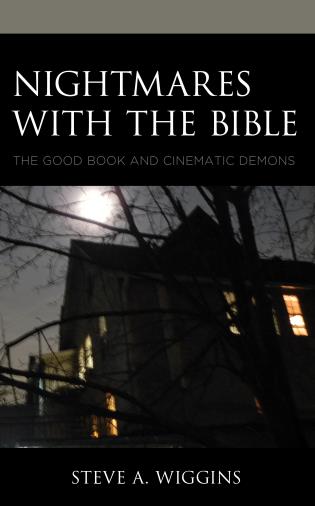
While recently in touch with a colleague I’ve never met, I agreed to send along a filmography of my two horror movie books, Holy Horror and Nightmares with the Bible.  I tend not to read my own books after sending them to the printer.  Defensively it might be that I can say, “I know what I wrote,” but in reality it’s probably more a lack of self-assurance.  Writers often experience self-doubt and although you’ve convinced an editor and an editorial board you may still have your harshest critic to please.  Even though you’ve read the book many times through—at least fifteen each for these two books—you fear you might’ve overlooked something.  So it was strange trying to recall which films I’d actually discussed.  Or how many.

The latter point became clear in a recent review on Reading Religion.  Knowing how I went about piecing together Holy Horror, I’d forgotten just how many movies I watched and rewatched for it.  While it was never intended to be a comprehensive treatment of the Bible in horror (I haven’t seen all horror films), it nevertheless ranges widely.  After having submitted it I continued to watch horror and I continue to find various Bibles in it.  The amazing thing is just how truly widespread the Good Book is as an iconic symbol.  Indeed, I’d been reading about the Bible as an iconic book and that idea took hold in the early days of putting words down for the book.  As an editor I help authors figure out these kinds of issues all the time.  Physician heal thyself.

Even though Nightmares with the Bible just came out over a year ago I couldn’t list all the films off the top of my head.  Sometimes you need reminders.  My books are never discussed at work.  The people I interact with on a daily basis have no interest in them.  In other words, unless I’m having an interview or reading a review, I don’t have much opportunity to think about them.  I’ve moved on to my next projects.  The draft of The Wicker Man has been submitted and I have three promised articles to work on.  Still, I’m trying to settle on the next book.  I seem to have found some acceptance among the horror crowd.  Biblical meteorologists and researchers on Ugaritic goddesses are much less seldom in touch.  Monsters are often mixed forms.  I should know that after watching all these movies.


Write It Down

Those of us with a bookish outlook often wish we could look things up.  This comes to mind because of a recent documentary I watched, but the thought has occurred many times when visiting museums, particularly for special exhibits.  I’m pretty easily overwhelmed by too much information at once.  In a museum I have trouble reading all the placards and remembering how they tie in because there are so many interesting artifacts to look at.  I leave inspired and impressed and wishing I could look up the information I just read.  I’ve often wondered why museums don’t sell exhibition books that have photographs of the objects with replications of the placards describing what they are.  Maybe it’d just be a market of one, but I’d buy them.

The same thing is true of documentaries.  I’ll readily admit I’m poor with names.  It takes many interactions before a person’s name sticks with me.  (It’s nothing personal, I assure you—it’s just the way my brain works.)  When I watch a documentary I often wish a booklet accompanied it with the names, and credit lines of the interviewees and (because I know this is available on IMDb) a full bibliography.  The books mentioned.  You see, those of us inclined to research enjoy looking things up.  In the case of a long documentary (and that’s only if you subscribe or buy it instead of “renting” it for a one-time viewing) it means having to skim through it all again to reach the information that you could easily look up in a book.  Books are wonderful.

For me, one of the benefits of books is their stability.  Electronic resources change.  When you go to cite a website as a source you have to list the accessed date because things may have changed.  The book on your shelf remains reliably unaltered.  The few ebooks I’ve read come with marks in them.  There’s probably a way of turning this off, but I don’t want to see what other people think is noteworthy.  I suppose it’s supposed to make reading a communal experience.  Reading, in my experience of it, is mostly a private things.  One of the great joys in life is talking about reading with others, whether it’s the same book you’ve read, or a different one.  Why not add to that by making books to go with other species of information-sharing, such as museums and documentaries?  Those of us with a bookish outlook aren’t hard to please.  We just like to have it down on paper.