Icelandic Magic

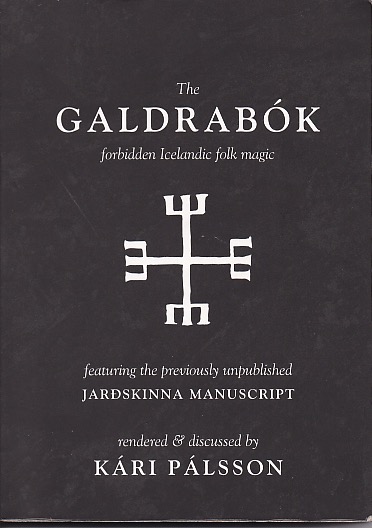
There’s a danger when you get together with friends.  They might lend you a book that you know you’ll have to buy.  Not because you lost theirs, but because it’s so good you want a copy.  This happened when a friend lent me The Galdrabók: Forbidden Icelandic Folk Magic, by Kári Pálsson.  I’ve always been interested in folklore and Iceland has held a fascination for me ever since we lived in Scotland.  My wife and I, for some reason, took to Icelandic sagas from medieval times.  We read several, including the Orkneyinga Saga (so-called by Penguin; the subtitle is The History of the Earls of Orkney).  We’d visited the Orkney Islands after taking an adult education class on the Vikings.  (Norway’s not far from Scotland.)  So I tucked into this little lent book with gusto.  People naturally enough believe in magic.  This book contains the titular Galdrabók and  the Jarðskinna manuscript.  They’re an intriguing blend of Christianity and Norse folk belief.

The book didn’t take long to get through, but when you’re reading a book about magic at 4 a.m., it refocuses you quite a bit.  You almost find yourself believing.  It happened that I was reading another book at the same time, one which has me questioning reality.  Together the two had an impact on the thought process with which I start the day.  Galdrabók is a grimoire.  After the Christianization of Iceland, such things were feared to the point that you could be burnt at the stake if you were found in possession of one.  The political church wants no rivals.  The book itself has prayers—some very Christian—spells, and magic symbols.  An introduction by the translator helpfully places this material in context.  A brief book, I was reading it in the interstices between my regular morning reading and when I was doing my daily exercises.

Another reason I knew I’d have to buy this book was the publisher, Hyldyr.  First of all, Hyldyr is a publisher with the fortitude to reject AI.  Would that all publishers do the same!  Environmentally conscious and aware of the importance of design, they make paperback books that are works of art.  And they care about academic respectability.  The books are on topics that fall beyond what a usual publisher might take on—Icelandic grimoires, for example.  I found this a stunning little book.  Even as I read it I knew I’d want to refer back to it.  Of course, this friend has lent me books before, and I always ended up buying copies for myself.  Such is the danger.

To the Tower

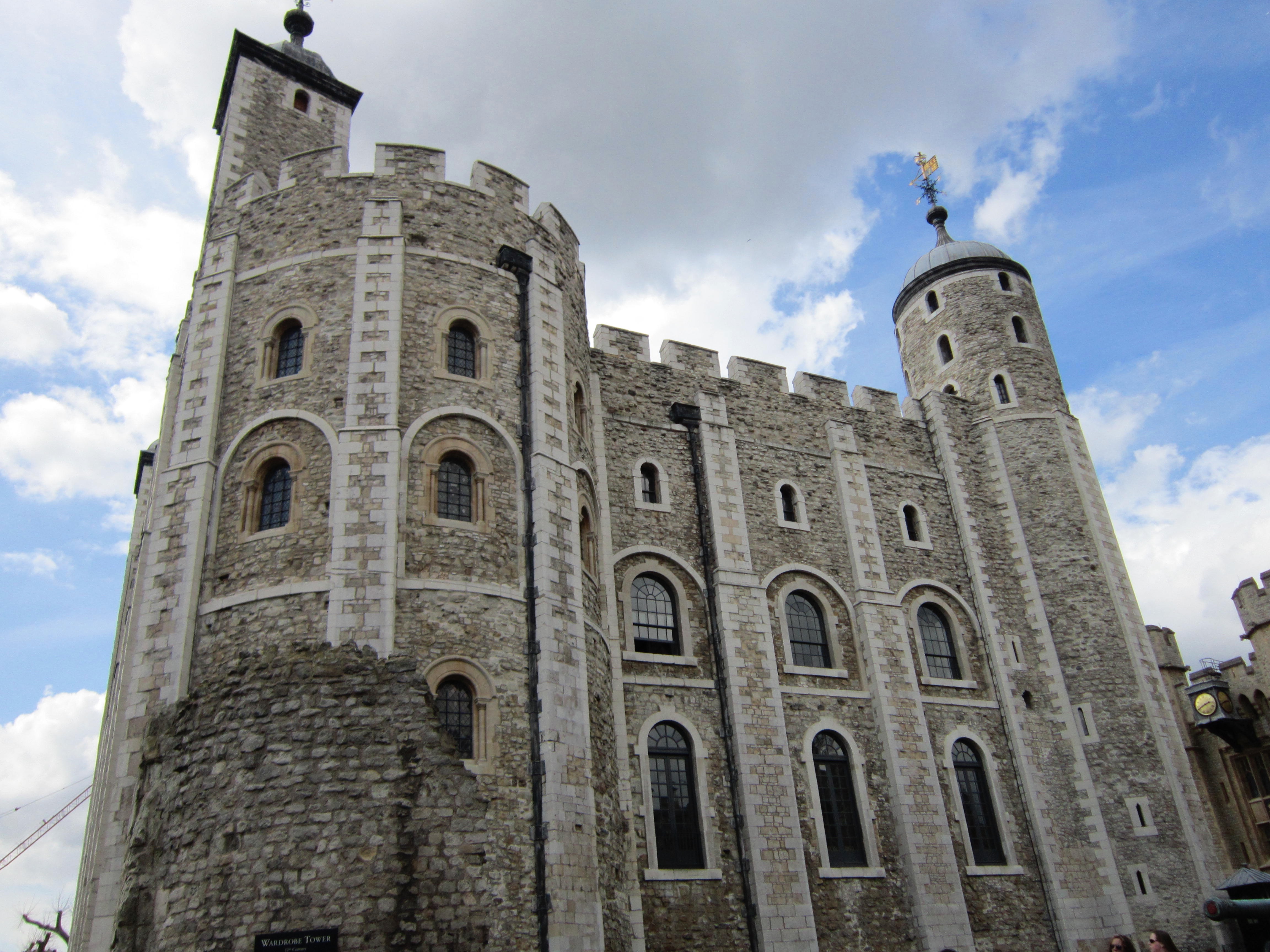
A recent article in The Independent shows once again how deep our human need of magic can be. The Tower of London, among the oldest buildings in the city, and often considered the most haunted, was apparently protected by magic. Archaeologists have discovered ritual marks on the support timbers of the representative of the Queen’s residence that they believe were intended to keep the devil out. Given that building has been around for a few hundred years, that’s really not all that surprising. The amazing aspect, at least to me, is that the signs are a rare admission on the part of those in power that they are occasionally not in charge. In any case, now that Halloween is in the air, it seems appropriate to think about how even the most rich and powerful aren’t secure from spiritual anxieties. It’s no wonder that bishops were so powerful, back in the day.

IMG_0338

Since I’m writing a paper that discusses grimoires, magic has been on my mind lately. Anyone who follows the books I post on either this blog or Goodreads might easily discern that. The concern that Medieval people had with witches was their supposed ability to work magic. Ironically, historians of science are now suggesting that the study of magic may have led to what we now think of as science. In order to manipulate the physical world, you have to understand how that world works. Magic might have had some benefits for society after all. And we are still prone to magical thinking. It is deeply embedded in the human psyche. Magic, like miracles, can be fortuitous, but the prudent know better than ever to count upon them.

The Tower of London was the, or one of the, castle(s) of the city. Political prisoners were held there and often left with their heads in separate compartments. Even a regular tour of the grounds will include references to ghosts. A city as large and as sophisticated as London still can’t escape the past. The hex marks found by archaeologists may date from the early modern period—the time of the Reformation and thereabouts—but the human mind has not much changed since then. While we may not put secret marks on our buildings any more, we still instill them with a sense of magic. And people move out of haunted houses so often that some states have requirements to reveal troubling histories of properties before someone decides to buy. We are a society enamored of technology and future progress, and yet we stop and wonder when Halloween is in the air.