In Praise of Paper

There’s an old saying that the tech industry might consider.  “If it ain’t broke, don’t fix it.”  I’m thinking books.  I work in an industry that’s running after ebooks, sometimes at the expense of actual books.  You know what I mean—the kind printed on paper.  With a cover.  An object.  What techies don’t seem to understand is that something happens to you when you’re reading a book.  It changes you.  Curled up in a chair with a half-pound of bound paper in front of you, you become absorbed.  Chair, person, paper.  All one.  And you’re taken somewhere else.  I’m not saying that reading online isn’t valuable.  Clearly it is.  The experience, however, isn’t the same.  Industry moguls express surprise at vinyl’s return.  They shouldn’t.  It wasn’t broke either.

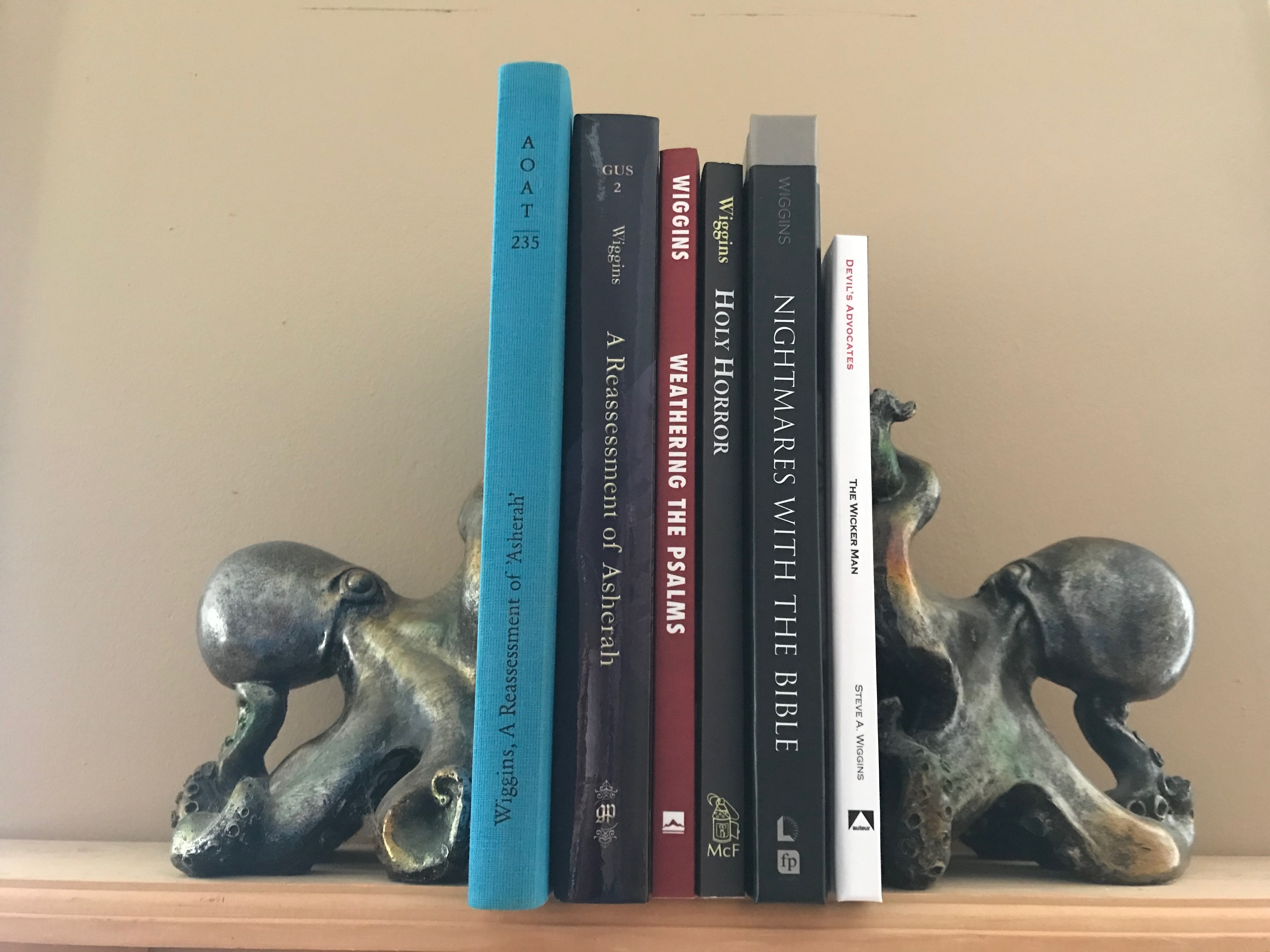
After reading a meaningful book I’ll carry it around with me for days like Linus’ security blanket.  Its mere presence reminds me that something profound happened to me while I was spending time with that tome.  Especially meaningful books I hesitate to shelve away with the others.  No, I want them to hand to remind me.  To bring back, at a glance, the fascination they engendered.  Let’s call it enchantment.  Capitalism removed enchantment from the world.  In the heat of materialism’s fervor, it made all alternatives irrelevant.  That’s what’s driving the ebook craze.  Hey, I’m fine if you like to read on a piece of plastic, but please leave the option of paper for those who prefer to truly get lost.

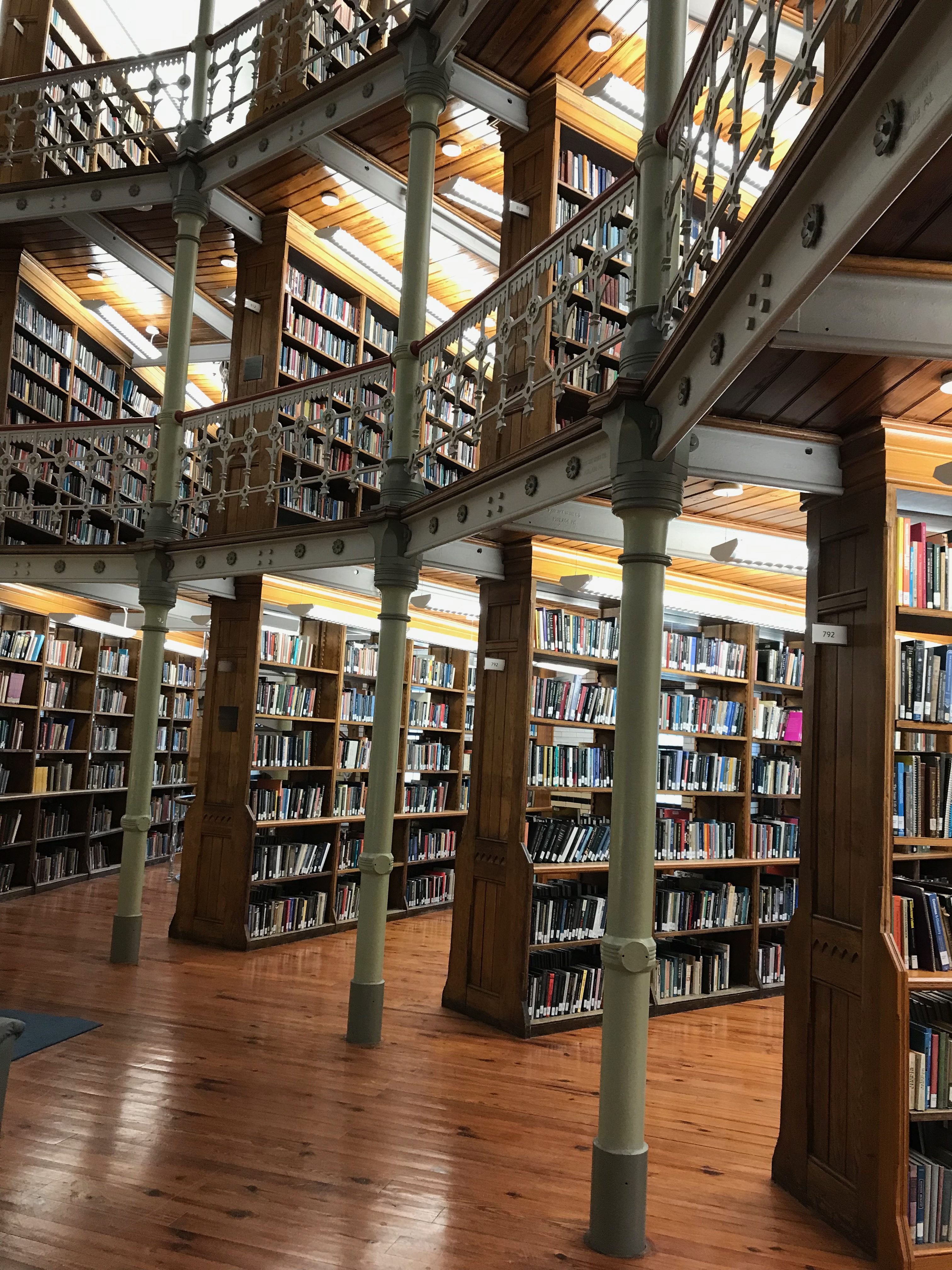
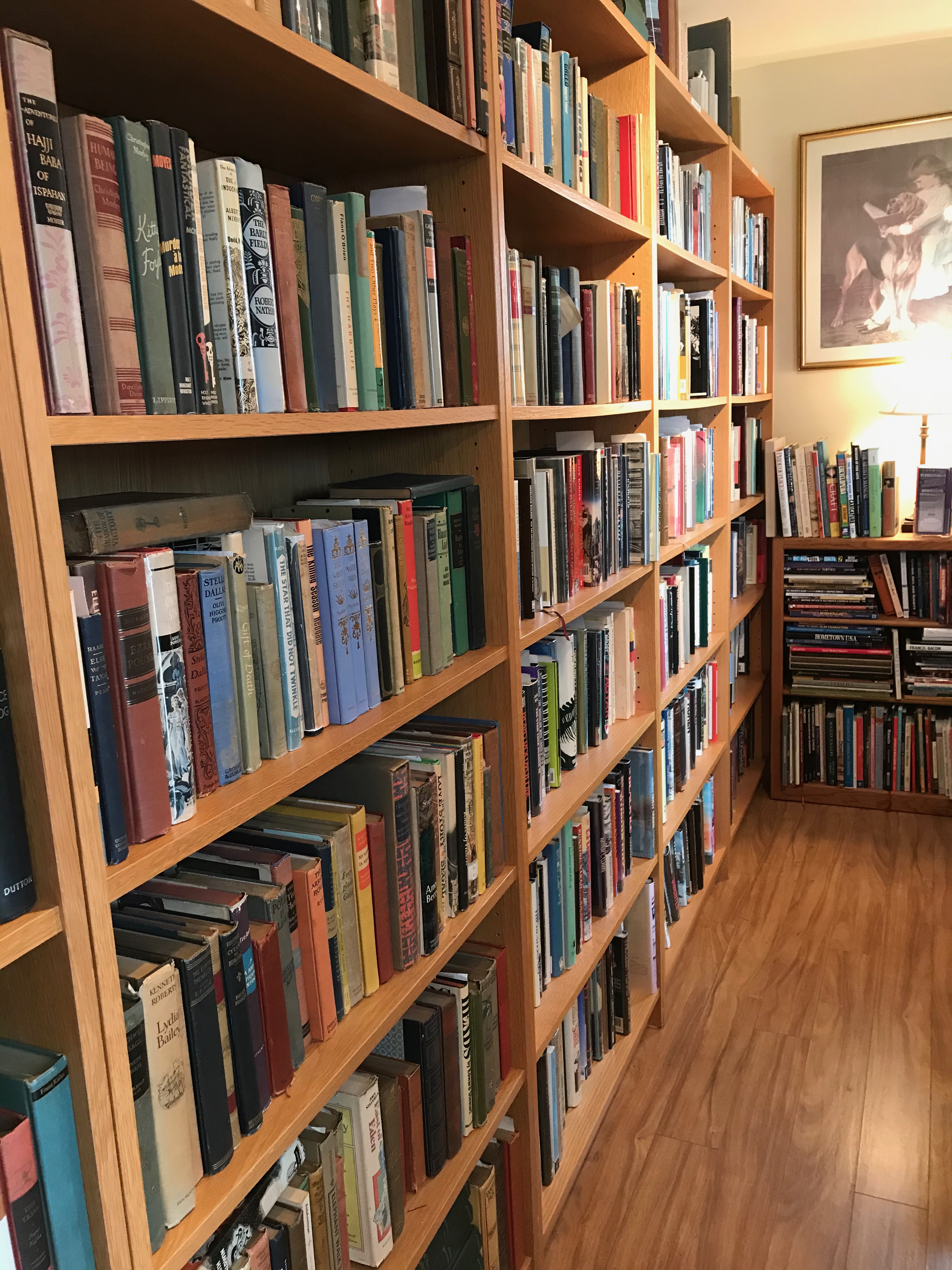
I spend most of my waking hours (and all of my sleeping ones) surrounded by books.  When my eye falls on one that I really enjoyed, I take a nanosecond pause to appreciate it.  We all have to decide how we’ll spend our time on this weary old planet.  A good deal of it will be work, and if we’re lucky it will be doing something we enjoy.  Otherwise we have roughly five hours of waking time five days a week to squeeze in the necessary and the enjoyable.  Some will go out and party with friends, others will stay home and read a book.  Many will use devices to fill the time outside the office, whether alone or with friends.  I tend to be in the book crowd.  I’m not embarrassed by that.  Books have been good to me.  Very good.  They say reading is fundamental.  I would add that reading a real book is life itself.


Not Content

I write books.  When I want to “create content” I do it on this blog.  (And a few other internet sites.)  These aren’t the same thing.  I find it distressing that publishers are trying to drive us to ebooks where content can easily be changed, as opposed to print books.  The shelves of this room are lined with books and the technology doesn’t exist to come in and change “data” without my knowing it.  Facts are secure in print, right Ilimilku?  I’m not looking forward to a Star Wars future where there’s no paper.  I was born in the last century and, perhaps, I’ll die there too.   You see, when you write a book you have a project in mind that has an endpoint.   It may change and shift as you write, but you know what a book is and that’s what you produce.  It gets shelved and you move on to other things.  (At least I do.)

Content is something different and the creative process behind it also differs.  If I find something wrong after the fact, I go into my past posts and change it.  I’m not afraid of admitting I’m wrong.  The point of this blog is to share ideas with the world, not to write a book.  (Although, I confess that I would not say “no” if someone in publishing wanted a selection of worthwhile posts for a book… just saying.)  It amazes me how publishers have pretty much gone after the money and have forgotten what the creative process is like.  Of course, they’re having to figure out how this whole internet with free content plays into it too.  But still, my book writing uses a different fold in my gray matter than my blog writing does.  All of it feels pretty different from writing fiction too.

These things together adds up to a writing life.  I have a ton of “not for publication” writing.  This is something different again.  I suspect it will never be read by anybody, moldering away on some old hard drive after some AI-induced apocalypse.  I write it for of the same reason, I suspect, that people used to spray-paint “Kilroy was here” on things.  The book of Job, it seems to me, was the preservation of words that someone simply had to write.  We know the framing story is folklore.  But those who have words to carve with iron on lead, or engrave on a stone to last forever.  It’s more, I hope, than just “creating content.”


Tech Trust

Tech problems are a part of life, of course.  The recent problem at CrowdStrike that grounded airlines and prevented 911 from working and interfered with medical services is a scary thing.  The word “fragility” was used in the New York Times.  Please allow me this jeremiad.  I appreciate technology and what it can do for us.  I really do.  I can usually find a movie to watch online on a day off work.  I can navigate most places without a map (although recently when there was no 4G coverage, I was left lost for a little while).  What’s really scary, to me, is those who claim tech, and only tech, is our future.  I’m a simple guy with simple tastes.  I enjoy reading books and watching movies to stimulate my restless imagination.  Yet I’m constantly being told that I should read on a screen, not on paper.  And that artificial “intelligence” can—or worse—should run things.  What happens when the grid goes down?

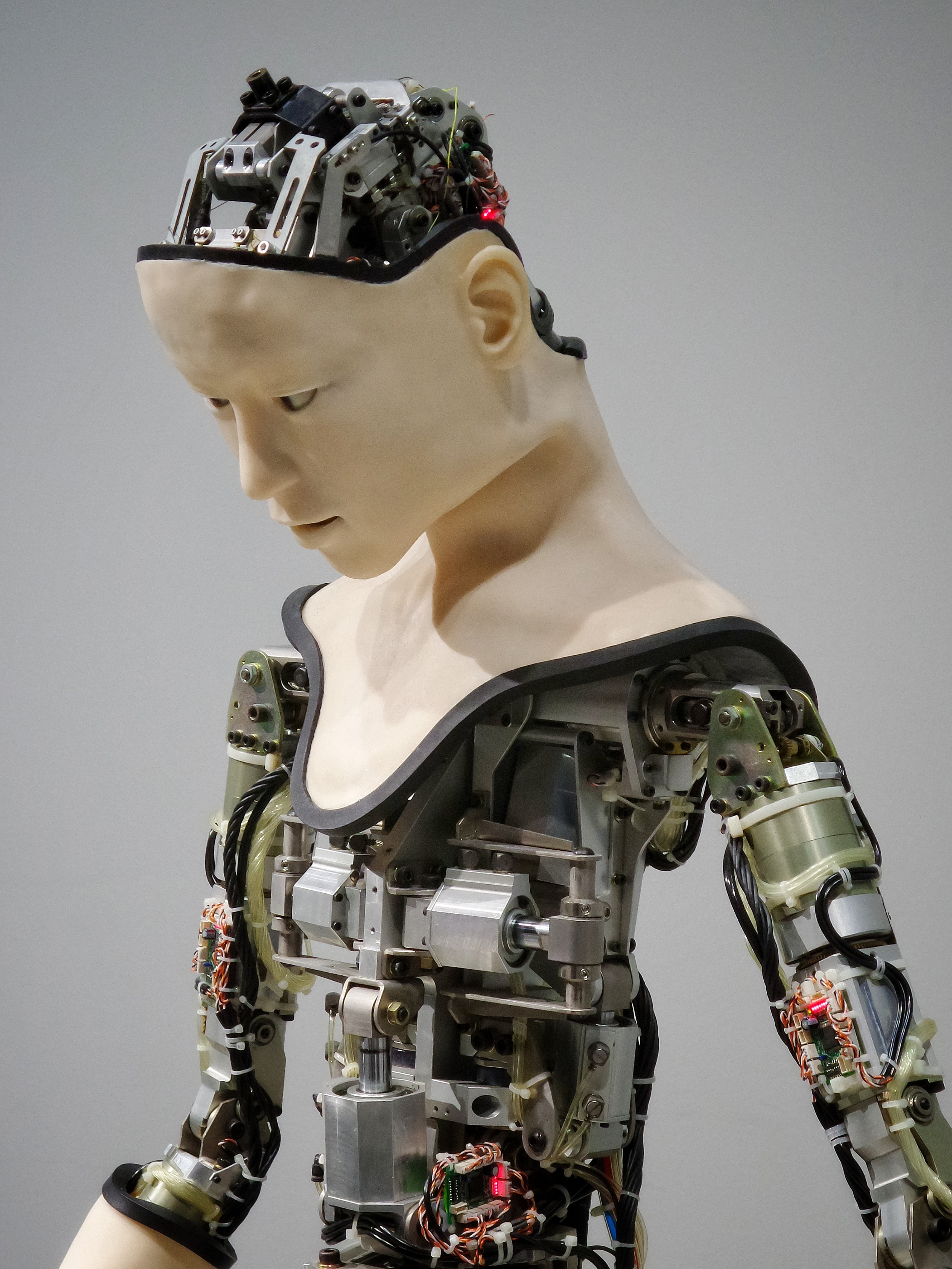
Photo by Markus Spiske on Unsplash

I love art glass, but I’ve also broken quite a bit of it over the years because life is rough and tumble.  Some fragility is part of the attraction. For a while, when I was young, I was fascinated by card houses.  Constructing one that used an entire deck was not only a goal, but its own kind of art.  Sometimes the beauty of art inheres in its very fragility. The house of cards took skill, but someone slamming a door, or even walking into the room could bring it all down.  A trembling hand or a drop from a millimeter too high could spell the end of this particular installation.  But nobody died.  No worldwide travel plans were interrupted.  The consequences were minimal.

I don’t dislike computers.  It’s just that I think balance is desirable.  After work, which is pretty much all online these days, I tend to move away from the internet for the rest of the day.  I pick up a book, made of paper.  Sometimes I’ll watch some media, preferably on DVD.  I don’t miss VHS tapes, I assure you—although we still have quite a few of them, some of which contain media that has never been released either on disc or online.  I can’t watch them.  Oh, if I had the time, gumption, and cash I could purchase a player.  I’d have to buy some kind of adapter to connect it to the TV.  Is that a downgrade?  My understanding is that CrowdStrike’s problem was all caused by an upgrade.  I’ve known smaller catastrophes with upgrades, and they seem to come every couple of months now.  What’s to be done?  Maybe we should slow down a little and read a book.


Doing Without

I’m a creature of habit.  Although I’m no internet junkie (I still read books made of paper), I’ve come to rely on it for how I start my day.  I get up early and do my writing and reading before work.  I generally check my email first thing, and that’s where something went wrong.  No internet.  We’ve been going through one of those popular heat waves, and a band of thunderstorms (tried to check on their progress so I could see if it’s okay to open the windows, but wait—I need the internet to do that) had rolled through three hours ago, at about midnight.  Maybe they’d knocked out power?  The phone was out too so I had to call our provider on my cell.  The robovoice cheerily told me there was a service outage and that for updates I could check their website.  Hmmm.

I can read and write without the internet.  I’m on Facebook for, literally, less than two minutes a day.  I stop long enough to post my blog entry and check my notices.  I hit what used to be Twitter a few times a day, but since people tend to communicate (if they do) via email, that’s how the day begins.  This morning I had no internet and I wondered how tech giants would live without it.  I’m no fan of AI.  I use technology and I believe it has many good points, but mistaking it for human—or thinking that human brains are biological computers—flies in the face of all the evidence.  Our brains evolved to help our biological bodies survive.  And more.  The older I get the more I’m certain that there’s a soul tucked in there somewhere too.  Call it a mind, a psyche, a spirit, a personality, or consciousness itself, it’s there.  And it’s not a computer.

Our brains rely on emotion as well as rationality.  How we feel affects our reality.  Our perspective can change a bad situation into a good one.  So I’m sitting here in my study, sweating since, well, heat wave.  It was storming just a few hours ago and I can’t check the radar to see if the system has cleared out or not.  What to do?  Open the windows.  I’ll feel better at any rate.  And in case the coffee hasn’t kicked in yet, “open the windows” is a metaphor as well as a literal act on my part.  And I don’t think AI gets metaphors.  At least not without being told directly.  And they call it “intelligence.”

Photo by Chris Barbalis on Unsplash

Passing Words

I’ve never counted, but it must be dozens.  Maybe a hundred.  And they have very high memory requirements.  Especially for a guy who can’t recall why he walked into a room half the time.  I’m talking passwords.  The commandments go like this:

You can’t use the same password for more than one system/platform/device/account

You can’t tell anyone your password (duh!)

You can’t write it down

You can’t send your password to someone electronically (duh!)

You must logoff your device when it’s unattended

You will be held responsible for anything done under your login

The word of the Lord.

Now, how much more ageist can you get?  I’ve never counted the number of passwords I’ve had to generate for work alone but I can’t remember much without writing things down.  Even the chores after work.  I hear that there are “keychains” you can get that remember your passwords for you.  I suspect you need a password to access your passwords.  Replicate the commandments above.

I know internet security is serious business.  My objection is that you’re not supposed to write any of this down.  I carry a notebook around with me (it has no passwords, so please don’t try to steal it) to keep track of everything from doctors’ orders to how to call the plumber if there’s a leak.  I can’t remember all that stuff.  Some of it is personal information, but with everything you’re expected to keep in memory these days—at the same time we’re unleashing AI on the world—is madness.

A friend pointed out that AI books are written without authors.  If I remember correctly, my response was “AI has great potential, but let’s leave the humanities to humans.”  I hope I’m remembering that correctly, because I thought it clever at the time. I wish I’d written it down.  Those who make the rules about passwords aren’t as close to their expiration date as I am.  My grandmother was born before heavier-than-air flight took place and died after we’d landed on the moon.  Guys my age regale their kids (and some, their grandkids) by telling them telephones used to be attached to walls and you could walk away from technology at will.  Now it follows you.  Listens to you even when you’re not talking to it—our car frequently interjects itself into our conversations.  At least she isn’t asking for a password while I’m driving.  I couldn’t write it down.  Our love affair with technology is also driving.  More often than we suppose.  It’s driving me too… driving me crazy.


Tech Warning

My moon roof is open.  That’s what the late-night alert says.  Thing is, I don’t have a moon roof.  Maybe I should go out to the garage and check, just to be sure.  You see, these new cars, which are as much computer as they are a means of conveyance, are subject to glitches just like the computers at work always seem to be.  And if this is true of a massive and lucrative company like Toyota, how can the rest of us really trust what our devices tell us?  After all, mainly they exist to sell us more stuff.  So whenever we take the Prius out, after it’s put away I get some kind of warning on my phone.  Nearly every single time.  If somebody’s been sitting in the back seat—or even if a bag was resting there—I’m cheerfully reminded to check the back seat once I get into the house.  I appreciate its concern and when I grow even more forgetful I may need it.  But that moon roof…

I use and appreciate technology.  I believe in the science behind it.  It makes life simpler, in some ways.  Much more complex in others.  I confess that I miss paper maps.  Do you remember the thrill of driving into an unknown city and having to figure out how to get to an address with no GPS?  Now that seems like an adventure movie.  Our cars practically—sometimes literally—drive themselves.  I’m no motor-head, not by a long shot.  I do remember my first car that didn’t have power steering or power brakes.  It had a stick-shift and you had to wrassle it at times.  Show it who was in charge.  With technology we’ve all become the serfs.  It breaks down and you have to take it to an expert.  Not quite the same as changing a tire.

I worry about the larger implications of this.  As a writer I worry that my largest output is only electronic.  Publishers don’t seem to realize that those of us who write do it as a way of surviving death.  We have something to say and we want it etched in stone.  Or at least printed on paper.  Tucked away in some Library of Congress stacks in the hopes that it will remain there for good.  I often think of dystopias.  The stories unfold and ancient documents—our documents—are found.  But unless they get the grid up and running, and have Silicon Valley to help them, our electronic words are gone.  It’s as if you left the moon roof open, even though you don’t have one.


Adulting

Young professionals that I know often say adulting sucks.  Quite a bit of the time I tend to agree with them.  The 9-2-5 makes just getting along difficult, at times.  I’m sure there’s software to ease some of the woes, but you have to learn how to use it.  And that takes time.  Time I’d rather spend writing or reading.  For example, to get a small break on state taxes, if you work from home, you need to calculate your office space and then how much it costs to exist in your house for the year.  When I remember to do so, I can look utilities and mortgage up in Quicken.  Sometimes, however, when a book in my mind is distracting me I just tot all this up on the back of an envelope.  Then I need to type it in so my accountant can see it (taxes are far too complicated for mere mortals) and, I can’t underscore this too many times: numbers are adulting.

Photo by Tyler Easton on Unsplash

I’m an idea person.  The 9-2-5 (numbers!) that keeps you in front of a computer all week long means that things pile up.  Weekends seem too short to spend on numbers.  But you’ve got to balance that checkbook.  And even tot up the number of hours you give to “the man” each day.  What could be more adult than accounting?  Don’t get me wrong—at times numbers can be interesting.  Numbers, at their best, are philosophical.  One squared is one.  When you square any number greater than one, it increases.  One doesn’t.  And you can’t divide by zero and get zero for an answer, as handy as that’d be from time to time.  These abstract concepts come in useful but adulting involves serious numbers.  Numbers that imply liquidity.  Cash flow.  

Time is made up of numbers too.  If a social event comes up on a weekend, there goes your grocery and cleaning time.  And writing a book takes a tremendous amount of time.  It’s a second job on top of the other one you work 9-2-5.  All of this makes me think of those TIAA-CREF ads that showed prominent professors and captions that said “Because some people don’t have time to think of money.”  Or something similar.  That’s what I’m talking about.  Adulting is all about money.  And money must be taxed.  And you have to keep track of where it all goes.  I’m sure Quicken could help me with this, if I had time to learn it.  (We pay for it after all.)  But I’m kind of busy writing this book…


Web Dark

I know, I know.  My hours are odd, but I’m not the only one awake at this time.  So home alone one weekend—hands slapping sides of face, mouth gaping open—I decided to go grocery shopping at six, when the store opens.  It was a frosty morning and I hadn’t yet shaken the chill from getting out from the covers and throwing on clothes before the thermostat fully awoke.  I checked the store website.  Hours: six to eleven.  Off I drove.  Not trusting any kind of authority, really, I was glad to see several cars in the parking lot.  I gathered my reusable bags and approached.  The sliding doors weren’t welcoming that morning.  I tried the other side since sometimes they lock the south doors until later.  Same results.  Then I saw the hours: seven to eleven.  Trust no one.

I had an hour to wait and the car was still cold.  I drove back home, pondering the unreliability of the web.  At least with a phone book you could take a big, thick tome in and point to the ad—“it says six a.m.!”  Websites are, of course, not always updated.  Maybe the six a.m. opening was a pandemic thing.  (I’m still waiting for the web to tell me the pandemic is over.)  Somebody, however, didn’t bother to update the website.  And I was shivering.  Steam coming out of my ears would’ve been welcome to warm my fingers at this point.  Now, I know that neglected things fall apart.  Abandoned houses can have trees growing through them, for goodness sake.  But if you’re a colossal food chain can you not pay to have your website updated?

Broken links lie scattered like glass shards across the internet.  The other day I tried to check out an independent small publisher only to land on the entry page to a porno site.  The publisher had gone under and the domain name sold.  Look, all I want to do is get groceries and get back home so that I can get my weekend activities underway.  I may be on my own for the day but that doesn’t mean I’m planning to waste my time.  Instead I have to go back home, back the car into its slot, unlock the back door (which is friendly), put my hands on the radiator for a few minutes, and then turn around, go out, and try again.  I suppose I could use the time to surf the web, but honestly, I don’t really trust what I might find there.


Strangers

Okay, so I like to think that I’m a reasonably intelligent person.  I can drive a car.  I’ve read over two thousand books.  I have been blogging for nearly a decade and a half.  Why can’t I figure out this password thing?  My brother has a blog on WordPress too.  His posts are quite different than mine, but I always like to read them since we think a lot alike.  Anyway, I wanted to leave a comment on a recent post he wrote.  You’d think that’d be easy since this blog is also hosted on WordPress.  (I’m the one who suggested WordPress to him.)  When I went to post the comment I received a dialogue box basically asking “and who might you be?”  When I gave my web credentials it wanted a password, but it wasn’t clear which password it wanted.

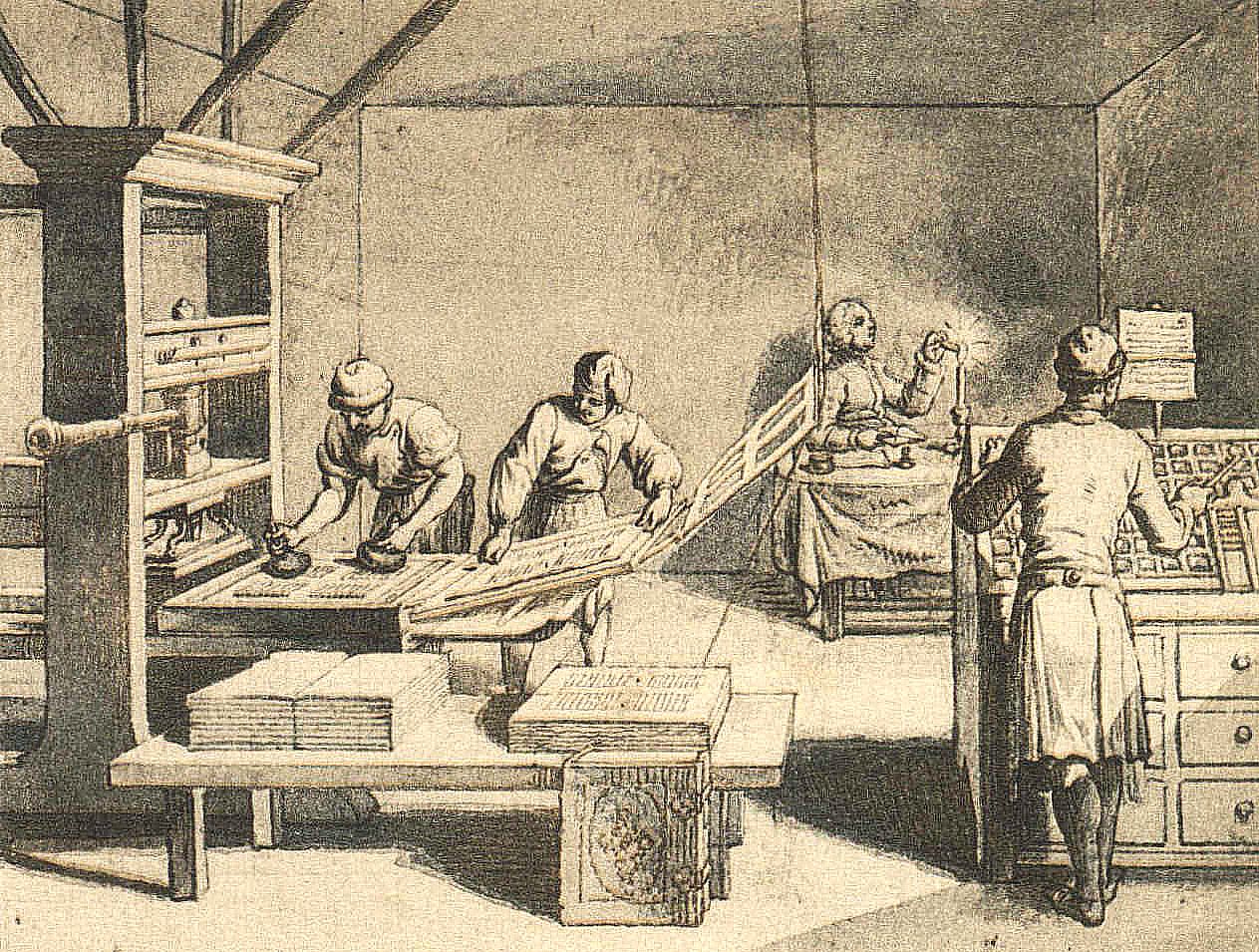
An actual word press; image credit: DANIEL CHODOWIECKI 62 bisher unveröffentlichte Handzeichnungen zu dem Elementarwerk von Johann Bernhard Basedow. Mit einem Vorworte von Max von Boehn. Voigtländer-Tetzner, Frankfurt am Main 1922, public domain via Wikimedia Commons

Like most human beings alive today I have more passwords than atoms in a typical tardigrade.  With a brain over sixty, trying to recollect them all in an instant, well, let’s just say that ain’t happenin’.  As I laboriously lumber through all relevant passwords (I’m pretty sure they don’t want all the unique ones I use at work, in addition to my private accounts), it rejects each and every one.  You see, WordPress is funny.  My own account, now 14 years old—maybe that’s the problem—those teenage years!—doesn’t recognize me at times.  Indeed, on my own blog (and I have a paying account) it sometimes blinks its virtual eyes and says, “and who might you be?”  I try not to take this personally.  I mean, we’ve only known each other for years.  And all I want to do is put a supportive comment on my brother’s blog—we share the same surname, and even the same web host.  What could be so difficult about that?

I’m pretty much logged into my WordPress account constantly.  I post every day.  There’s over 5,300 mini-essays of about 400 words.  That’s over 2 million words.  Is this relationship really so one-sided?  I’m trying hard not to let my aporripsophobia get the best of me here.  Just tell me which password you want!  And, if I can use it to log into my own WordPress account, why won’t it work for the WordPress accounts of family and friends when I want to make a comment?  We’ve been together for so long, do you really not know me any better than this?  Hey, I think I need a private moment with WordPress—you can check out my brother’s blog while you wait…


Not so E-Z

Paying for someone else’s mistake.  That’s what technocracy brings.  We’ve used E-Z Pass for years.  We first got initiated in Pennsylvania although we lived in New Jersey at the time.  In those days we were taking lots of trips from New Jersey to upstate New York, for which you generally have to drive through Pennsylvania.  Hey, we’re a tri-state area.  One of the ironies my wife and I noticed is that you have to pay tolls to get out of New Jersey, but not to get in.  That’s not a scientifically-verified fact, just a pedestrian (or vehicular) observation.  Since I’ve got more things on my mind than I know what to do with, we set the account to auto-replenish.  When funds get low, it automatically refills.  Nifty, huh?!

For some reason I can’t even remember the card on which this system was based had to be reissued.  Like most people I can’t remember all the auto-renews on any given card, so when I get a notice that there’s a problem, I update immediately.  So let it be with E-Z Pass.  See, there—wasn’t that easy?  But apparently not.  The day after I updated (and given that transactions are instantaneous these days, what, me worry?) we happened to drive to New Jersey.  My wife had four work-related trips to our neighboring state over the next two weeks.  Then the violations started arriving.  From New Jersey E-Z Pass.  I’d spoken with a rep from Pennsylvania E-Z Pass the day before and he assured me everything was set up correctly.  But New Jersey plays hardball.  They won’t even talk to you until you’ve received the violations by mail—weeks after the fact.

Any violation comes with a $30 surcharge.  I needed to speak to a person since NJ’s E-Z Pass menu doesn’t offer an option for “If our system has screwed up and your being charged for it, please press 666.”  The message immediately says there will be a forty-minute wait to speak with a representative (PA E-Z Pass picks up on the first ring, just sayin’).  Forty-minutes of muzak turned into an hour.  My phone died.  I recharged and tried again.  Another hour passed.  Finally I called at 8 a.m. the next morning—there’s still a forty-minute wait, but it’s only forty minutes.  I finally spoke with a truculent rep (if you’re already out of sorts by 8:40 a.m. perhaps it’s time to look for a different job) who told me I had to set up an account for NJ E-Z Pass—they don’t have truck with PA E-Z Pass—and check it seven-to-ten business days later to see if the charges had cleared.  E-Z Pass really isn’t that easy.  Keeping a pocket full of quarters might save you time in the long run.


No Agency

I’ve worked in publishing since 2006.  That seems like a goodly time, but the industry is a complex one.  I started trying to publish again around 2010—losing my job at Nashotah House sent me into a tailspin in that regard, although I wrote a novel or two in the meantime.  My first post-dissertation book was published in 2014.  I soon learned that academic publishers each have their strengths and weaknesses.  Most have trouble with marketing—people just don’t know about your books.  (And can’t afford them if they do.)  If the publisher won’t advertise, well, the voice of one ex-academic isn’t very loud.  So I wrote on.  My sixth book has existed in draft form for a few months now.  I know that to get a publisher who knows how to market you often need an agent.  I also know that as an unknown writer it’s difficult to get an agent’s attention.  I finally found one, however.

Agents change books.  Mine asked me to rewrite yet again.  All of my books have been rewritten multiple times, so this was par for the course.  I had to leave out a lot of the stuff I liked.  Then the agent changed his mind.  Hey, I get it.  Agents live off the advances their authors get so if they don’t see enough zeroes they shy away.  That’s just how it works.  I’ve found what looks like a good publisher (not an academic press) but I couldn’t simply go back to the version I really liked—I’d made improvements for the agent—so I had to blend the two versions together.  The problem is, that’s difficult to do on a computer.  I know from working in publishing that side-by-side comparative screens in word processing programs are difficult to find.  Of course, if you just print both versions out all you need is a table and a red pen.

I wasn’t born into the computer era.  Flipping between two screens doesn’t come easily but printing out two three-hundred-page manuscripts is time and resource consuming.  So I’m flipping screens.  I hope to finish this book soon because the next one is already brewing and I really can’t wait to start getting the ideas out.  And I even have a publisher in mind—one that doesn’t require an agent.  I don’t think agents really get me.  Or maybe I’m just not a “commercial” enough thinker.  There are plenty of presses out there, however, and if you do your research you can find a home for this project that’s taken years of your life.  It’s just difficult to do the screen flipping.  But then, I’ve only been doing this for about a decade.  I’ll get the hang of it soon.


In Praise of Lecture

As I look at our world and see divisions that certain politicians only make worse for their own gain, I wonder where we’ve jumped the rails.  I was just reading about science lectures in the early part of the last century.  This reminded me of a public lecture on dinosaurs that we attended in Edinburgh with some friends.  Yes, we were graduate students looking for stimulating, and inexpensive, entertainment.  I’ve always considered entertainment a learning opportunity.  Having grown up both poor and curious, I feel a fascination regarding most new things and I began to wonder why we don’t have more public science lectures these days.  We really enjoyed the dinosaur talk.  I think the lecturer was Jack Horner, but what really stuck with me was not his name, but the good feeling the talk left behind.

At Nashotah House, Milwaukee and Madison were both a little too far to venture for an evening lecture.  We had to be in chapel early the next morning, and besides, I had already started waking up early (around five in those days) to do my research and writing.  When we came out of Nashotah, the internet had taken over the world.  Let’s face it, when you reach, say, middle age, you don’t want to have to go out much in the evenings any more.  At least if you’re an introvert like me.  Particularly when it’s cold out.  And how do you even find public lectures these days?  We live near several colleges and universities in the Lehigh Valley, and I get occasional notices, but the lecture in Edinburgh was actually in a public venue, not a university site.  You see, I think that’s what we need to get people back on the side of science and critical thinking.

The internet favors your biases.  Algorithms send your way more of what you’ve already seen.  Each click brings someone some income.  (I hasten to add that I get no income from this blog; I pay for the privilege to post on it.)  Wouldn’t it be better if towns had lecture halls and scientists (and others) had the name draw to bring people in?  While at a small venue in the Easton Book Festival a couple years back, a university guy from New Jersey talked to me after my presentation.  “We don’t have many opportunities for smart entertainment,” he told me.  I’m no scientist and there’s a real debate about the “smart” part, but I took his point.  You used to be able to find public lectures that were cheap or free.  And everyone left feeling like they’d received a gift.


Keeping Up

Perhaps this has happened to you.  When you reach a certain number of decades, it’s sometimes a challenge to keep everything in mind.  I confess to being impressed by young brains.  I admire the confidence of youth because truth does seem to depend on when it’s discovered.  In any case, I don’t always recollect where I’ve put things.  Online this can be a real problem—I have so many bookmarks that I could open my own bookstore.  The place that it really bothers me, though, is email.  Perhaps somewhat foolishly, I use email as my reminder.  I file or delete emails when I have time to do so, but the volume is often difficult to keep up with.  Most of it isn’t personal, of course.  People don’t wonder how you’re doing with all this email, probably because they’re trying to keep on top of their own.

In any case, many organizations like to send out reminders that your membership is about to expire many weeks in advance of it actually happening.  I’m not exactly flush with cash and I like to renew the week before expiration.  If I had a pile of gold I’d be glad to pay a month to six-weeks in advance, but I live in the real world.  So I let the reminder sit in my email pile, figuring, naively, that I’ll see it in time.  Well, I wouldn’t be writing this post if I actually did.  No, other emails keep on coming, forcing my reminders off the top page and into internet purgatory.  It takes at least a holiday weekend to have enough time to file all my accumulated emails and then I find them, cowering, shivering and cold, under the weight of tons of other, less urgent emails.

Some have suggested that I put them on my Calendar app.  The thing is, I forget to look at it.  Or I could “set a reminder”—that’s not a bad idea, if the email doesn’t arrive with a bunch of others so that I don’t forget about it before it gets bumped too far down.  You see, different people think in different ways.  We’re only really starting to recognize that.  Some of us function better when the reminder is sent closer to the deadline.  It’s not like you need the time to take out a loan or anything before making what still feels, to me, like a big-ticket item.  The regular bills, they keep on a-comin’ and they can’t be ignored.  To people of a certain number of decades, it’d be helpful to remind us a bit closer to the deadline.  It’s not like you even have to wait for the payment to arrive through something that used to be called the mail.


Quick Writing

On the very same day I saw two emails that began with phrases that indicated they were clearly sent by text.  One began “Hell all.”  This was a friendly message from a friendly person sent to a friendly group and I’m pretty sure the final o dropped off the first word.  The second seemed to have AI in mind as it read “Thank you bot.”  It was sent from a phone to two individuals (or androids?).  There’s a reason I don’t text.  Apart from being cheap and having to pay for each text I receive or send, that is.  The reason is that it’s far too easy to misunderstand when someone is trying to dash something off quickly.  Add to that the AI tendency to think it knows what you want to say (I’m pretty sure it has difficulty guessing, at least in my case, and likely in yours, too) and errors occur.  We write to each other in order to communicate.  If we can’t do it clearly, it’s time to ask why.

Those who email as if they’re texting—short, abrupt sentences—come across as angry.  And an angry message often inspires an angry response.  Wouldn’t it make more sense to slow down a bit and express what you want to say clearly?  We all make typos.  Taking the time to email is no guarantee that you’ll not mess something up in your message.  Still, it helps.  I think back to the days of actual letter writing.  Those who were truly cultured copied out the letter (another chance to check for errors!) before sending it.  There were misunderstandings then, I’m sure, but I don’t think anyone was suggesting someone else is a robot.  Or cussing at them from word one.

The ease of constant communication has led to its own set of complications.  Mainly, it seems to me, that since abbreviated communication has become so terribly common, opportunities for misunderstanding increase exponentially.  I’m well aware that I’ll be accused of being “old school,” if not downright “old fashioned,” but if life’s become so busy that we don’t have time for other people isn’t it time to slow down a bit?  Technology’s become the driver and it doesn’t know where the hello we want to go.  The other day I forgot where I put my phone.  I signed on for work but couldn’t get started because it requires two-step authentication.  Try to walk away from your phone.  I dare you.  Thank you bot, indeed.


Look it up

Does anybody else find the internet too limiting?  I regularly find that what I’m searching for flummoxes even Google when it comes to trying to find things.  The internet doesn’t encompass all of reality, I guess.  For example, the other day I encountered the word “evemerized.”  Even Google vociferously insisted that I meant to search for “euhemerized,” which is a different thing.  It did, however, reluctantly give me a couple of websites that use, and even define the word.  What is it that the search engines are not showing us?  Oftentimes in my searching I admit to being at fault.  I don’t know the correct string of words to use to get algorithms to understand me.  I guess I’ll be one of those up against the wall when AI takes over.  “Does not compute,” it will say in its sci-fi robot voice.

Some of us still like to unplug and pick up a real book.  Or take a walk in the woods.  I do have to admit, however, I wouldn’t complain if the internet could find a way to mow my lawn.  (I don’t mean giving me a list of those companies that haul around inverted-helicopter mowers that make every summer morning sound like Apocalypse Now.  “I love the smell of cut grass in the morning.”)  I am, and hope I always will be, a seeker.  I’m aware that our brains did not evolve to find “the Truth,” but I’m compelled to keep looking in any case.  There’s so much in this world and we’ve tried to distill it to what you can accomplish with a keyboard and a screen.  And even with those I can’t find what I’m looking for in this virtual collective unconscious that we call the web.  There are others better than me at web searching, I’m certain of it.

Despite our current understanding of the virtue of curiosity, there have been periods of history (and pockets of it still exist now) when religions have presented curiosity as evil.  This is generally the case with revealed religions that invest a great deal in having the truth delivered to them tied up with a bow.  I can’t believe in a deity that created curiosity as a sin.  Early explorers of religion exhibited curiosity—if Moses hadn’t wondered what that burning bush was no Bible would ever have been written.  Of course, the internet didn’t exist in those days and seeking was, perhaps, a little bit simpler.  Even if Moses was evemerized.

Moses gets curious