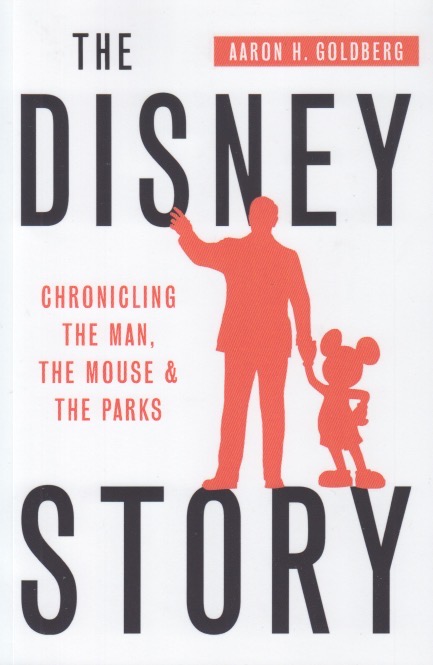
Since it’s Sleepy Hollow season I suggested to my wife that we watch the Disney version of the movie last night, rainy weekend evening that it was. I discuss in my book Disney’s strange pairing with “The Adventures of Toad,” but one of the points I emphasized in Sleepy Hollow as American Myth is that Disney is largely responsible for making the story what it is in our culture. It doesn’t stand alone, of course, but most people I’ve asked learned of it through the Disney film. Except my wife. She learned of it through the Disney record based on the Disney film, released in 1971. My wife didn’t grow up with monsters the way that I did, but her parents got their kids the vinyl version. She found it online to play for me—I’d more or less overlooked it in my book, which deals primarily with movies and novels.
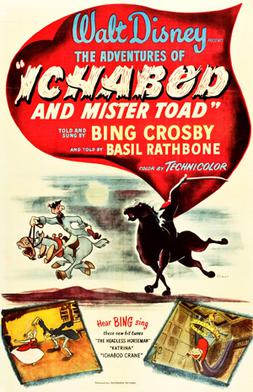
First of all, the record more naturally pairs Sleepy Hollow with Irving’s other hit, “Rip Van Winkle,” on the B side. Narrated by Billy Bletcher, it includes two songs from the film, “Ichabod Crane” and “The Headless Horseman,” the latter sung by the formidable Thurl Ravenscroft. A shortened version of the story is narrated and, of course, the showcasing of Bing Crosby is missing. The cartoon itself is only half an hour, and the record cuts the telling to twelve and a half minutes. As my wife read the comments of others who’d rediscovered the recording online, I pondered how many people might’ve discovered “The Legend of Sleepy Hollow” through Disney’s record. The story as written by Washington Irving isn’t aimed at children. Despite its early nineteenth-century language, it’s kid friendly, but not the kind of thing children seek out.
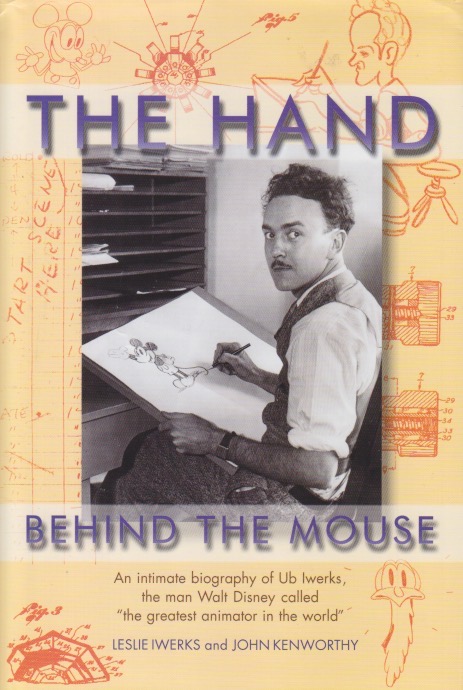
I don’t want to give away too much of my book, but I would point out a couple of things. Disney borrowed the idea of making a movie with Sleepy Hollow from Ub Iwerks, the co-inventor of Mickey Mouse, who began his own cartoon studio after working with Walt Disney. The second point is that Disney made it an explicitly Halloween tale. Whenever autumn and its pumpkins roll around thoughts turn to Sleepy Hollow. The Disney song “The Headless Horseman,” by Don Raye and Gene DePaul, does most of the heavy lifting for inventing a new mythology of said Headless Horseman. Even though my book was published last year, there’s more digging to be done around the origins of America’s ghost story. I’m reading another book about it right now myself.