Life Writing

It’s sometimes thought that a writer’s life is easy.  What’s so difficult about scribbling things that people will pay for?  I’m absolutely certain that, like most systems, this one may be gamed.  Amazon has made it quite easy to slap together words and covers and sell them alongside literary giants.  Only time will tell those that endure.  Most writers, apart from those who achieve early success (capitalism loves nothing so much as a repeat source of money), hold down other jobs.  Many of those jobs don’t involve writing, so those with literary ambitions must carve out time from their busy lives to write.  Not only that, but to write well you have to spend a lot of time reading.  Think about your daily life—how often do you have time to curl up with a good book?  Sure, you can read on the internet, but that’s not the same thing.

I love reading about writers.  Often they had struggles to overcome and many remained obscure as writers until after they’d died.  (At least that takes some of the pressure off.)  Someone saw there was money to be made in what they left behind.  Knowing quite a few writers, I suspect most of them really wouldn’t mind that.  Recognition during your lifetime must be nice, but writers tend to have a longer view.  That’s why things are written down, and, against hope, published.  Literary ambition can be a mean dog indeed.  Especially when the lawn requires mowing again and those invasive trees need constant trimming and gee, why didn’t we buy that house with no yard?  Many writers had even greater struggles to overcome.

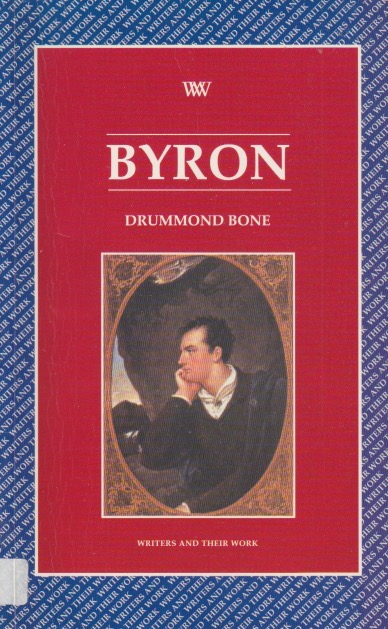
Image credit: George G. Rockwood, via Wikimedia Commons

When reading, I’m constantly discovering new old writers that I missed.  I didn’t grow up in a literary family.  I find them by reading other writers and, perhaps more importantly, reading about other writers.  Who influenced whom.  Many remained obscure.  Although it’s only an estimate, 2.2 million new titles are published each year.  Readers are, and always have been, a minority.  Most people don’t read for pleasure.  That makes sense, given that we haven’t evolved for that.  Survival involves working for sustenance and mowing the lawn or shoveling the walk when you’re done with work.  A clueless professional once asked me “Why don’t you hire a service?”  With what?  My royalties?  Sacrifice is an inherent part of writing.  Whether it’s the neighbors thinking you’re a trashy yard-keeper, or you boss wanting you to spend more hours on the clock, or cheating sleep night after night, a writer’s life isn’t for the fainthearted.  That’s why they inspire me.


Can You Recall?

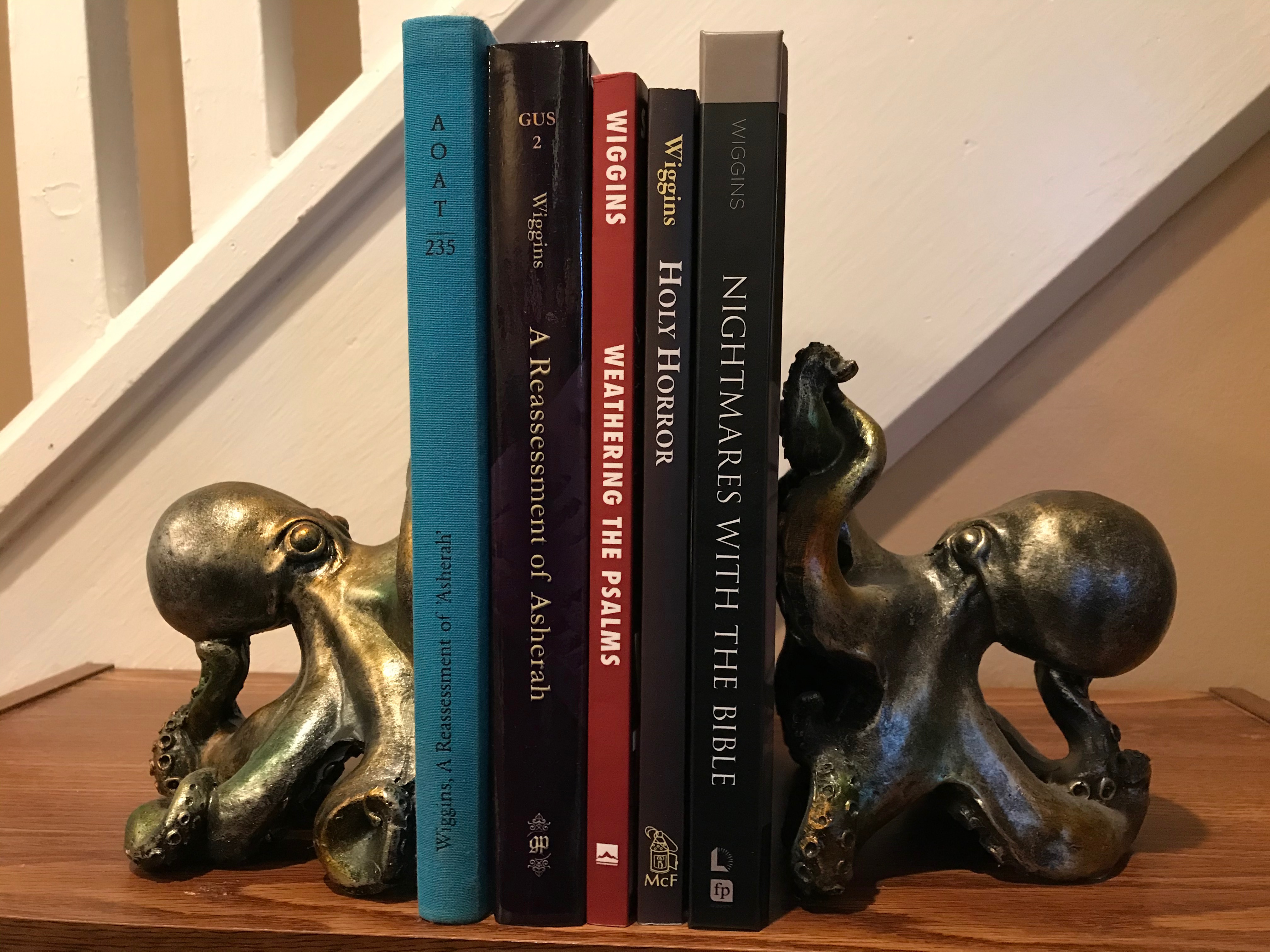
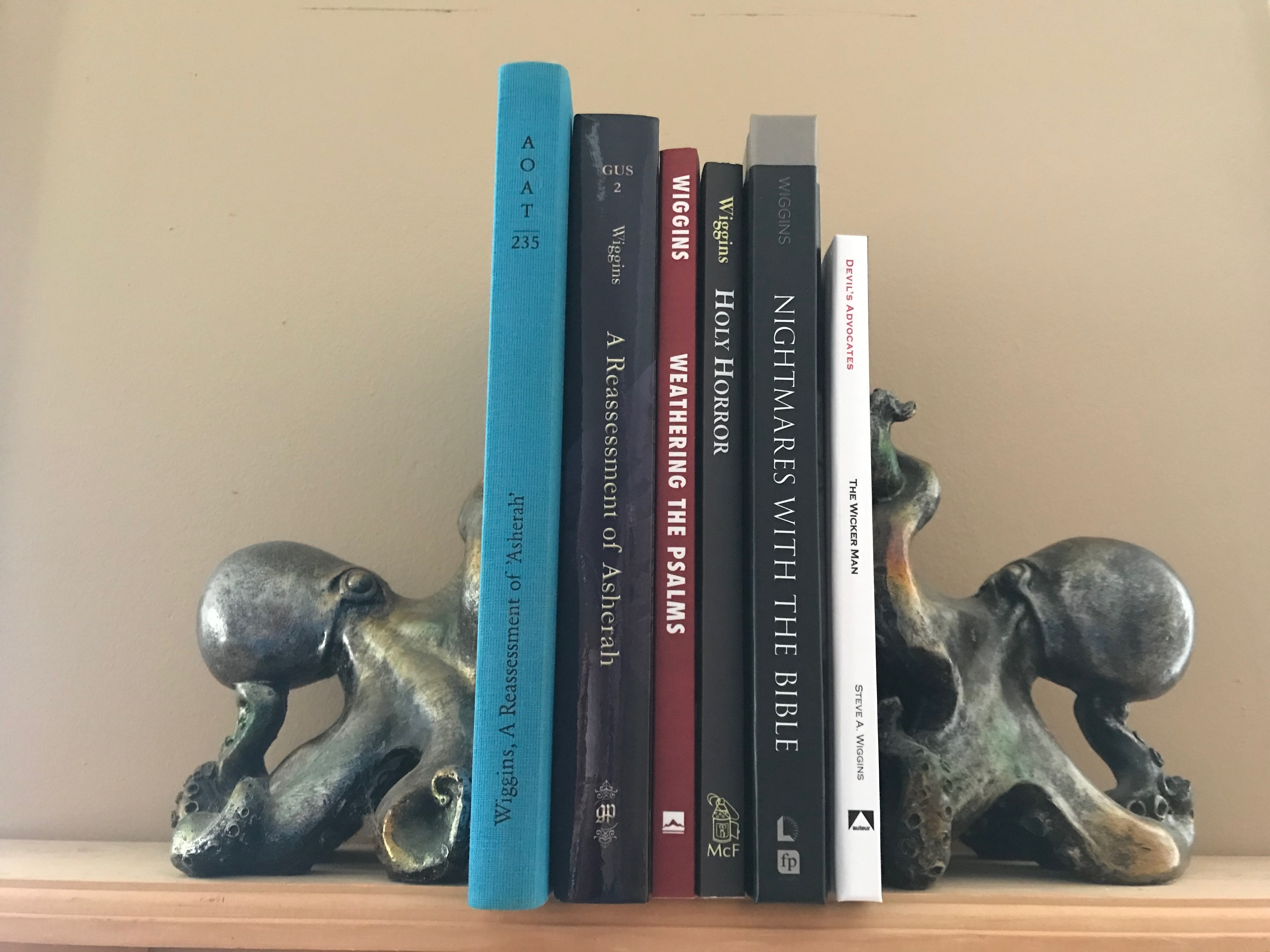
While recently in touch with a colleague I’ve never met, I agreed to send along a filmography of my two horror movie books, Holy Horror and Nightmares with the Bible.  I tend not to read my own books after sending them to the printer.  Defensively it might be that I can say, “I know what I wrote,” but in reality it’s probably more a lack of self-assurance.  Writers often experience self-doubt and although you’ve convinced an editor and an editorial board you may still have your harshest critic to please.  Even though you’ve read the book many times through—at least fifteen each for these two books—you fear you might’ve overlooked something.  So it was strange trying to recall which films I’d actually discussed.  Or how many.

The latter point became clear in a recent review on Reading Religion.  Knowing how I went about piecing together Holy Horror, I’d forgotten just how many movies I watched and rewatched for it.  While it was never intended to be a comprehensive treatment of the Bible in horror (I haven’t seen all horror films), it nevertheless ranges widely.  After having submitted it I continued to watch horror and I continue to find various Bibles in it.  The amazing thing is just how truly widespread the Good Book is as an iconic symbol.  Indeed, I’d been reading about the Bible as an iconic book and that idea took hold in the early days of putting words down for the book.  As an editor I help authors figure out these kinds of issues all the time.  Physician heal thyself.

Even though Nightmares with the Bible just came out over a year ago I couldn’t list all the films off the top of my head.  Sometimes you need reminders.  My books are never discussed at work.  The people I interact with on a daily basis have no interest in them.  In other words, unless I’m having an interview or reading a review, I don’t have much opportunity to think about them.  I’ve moved on to my next projects.  The draft of The Wicker Man has been submitted and I have three promised articles to work on.  Still, I’m trying to settle on the next book.  I seem to have found some acceptance among the horror crowd.  Biblical meteorologists and researchers on Ugaritic goddesses are much less seldom in touch.  Monsters are often mixed forms.  I should know that after watching all these movies.


A Life of Writing

One problem with being a graphomaniac is forgetting what you’ve written.  I’m glad to know I’m not alone in this.  Once we had the eminent historian Owen Chadwick to our house for dinner.  We of course had invited some students as well.  At one point one of the students asked him about something in one of his books.  The famed historian shook his head, not recalling it.  “One writes so much,” he replied.  Now, I’m not comparing myself with a knighted academic of international fame, but his remark in our living room has stayed with me all these years.  There are over 4,400 published posts on this blog, over a million and a half words, by my calculation.  Not even I remember everything I wrote.  “One writes so much…”

Just the other day I was looking for something I wrote.  You see, when I get an idea for a book (which happens frequently) I start writing it.  Inevitably, since I have very little time for writing on a daily basis, given my job, it joins many other partially written books.  Unless something like a book contract happens, my interests shift from one project to another, slowly building each up to near book length.  Once a project reaches that point I try to finish it off.  This involves writing and countless edits.  Holy Horror, for example, went through fifteen rewrites, some of them extensive.  Before it was sent to the publisher other books had already been started.  A conversation the other day reminded me of a book I’d started and I couldn’t find it.

My backup discs are a jumble of projects that take up too much memory on my laptop.  I try to organize them, but when a computer warning comes on while in the middle of a project one tends to cram things aside until one has room to finish up what one’s currently working on.  All of this authorial drama takes place before the sun rises, and when enough time passes I don’t always remember which file I put that old project into.  What did I even call it?  Writing, you see, requires constant practice.  Working nine-to-five creates a sense that you owe a great deal of time to your employer.  (Ironically, in my case, helping other people get published.)  The people I talked to the other day thought that that unfound idea sounded like a viable book.  Perhaps it is, if only I could remember where I put it.  Meanwhile I remember Sir Chadwick’s words from a quarter-a-century ago.


To Write in Black and White

It can be seen as a black and white issue: either you’ve written a book or you haven’t.  Many people do write books.  Many more want to.  In a survey I saw sometime in the past few months—I can’t recall exactly where—a survey indicated a high percentage of Americans wanted to write a book.  What exactly does that mean?  There are many different kinds of books and several motivations for writing them.  And, depending, your work may or may not be taken seriously, even if you publish.  As someone who’s published four nonfiction books, all of them obscure, I often think about this.  Working in publishing I have some privileged access to the ins and outs of how this works, but that doesn’t necessarily help in writing success.  So what are the motivations?  Is there any way to tell the difference?

Obviously, I can’t speak for others’ motivations but I can see the results.  Most of the writers with whom I work are academic writers.  Their books are generally written for fellow academics and they’re the result of years of research in specialized libraries often off-limits to non-academics.  Those are pretty easy to tell at a glance.  Another class of nonfiction writer is the journalist.  It’s assumed by the industry that someone who majored in journalism is a talented writer.  If, after reporting on a topic for a few years, a journalist wants to write a book based on experience, that frequently gets a publisher’s interest.  The results may not be academically reliable.  I recall that as a grad student it was assumed there were even certain established publishers not to trust—mainly those that weren’t university presses, but not exclusively.

The self-published book has a more difficult trajectory to trace.  Some authors, no matter how good or insightful, just can’t get a standard publisher’s attention.  Others are convinced of their own wisdom and now have an easy route to become a published author.  Yet others realize some money can be made from writing (although making a living at it is very hard work).  I’ve been reading a book by a journalist that has lots of factual errors in it.  I try not to judge, but I do wonder when I know it’s shelved as nonfiction.  Now, these aren’t the kinds of errors that will cost a life if dosed incorrectly or will set off a war between dominant personalities that are heads of state.  I also know that most books do contain inadvertent errors—books are written by humans and we don’t have all the answers yet.  Still, I think of the readers and how we define nonfiction.  What counts as a book anyway?  Things are seldom black or white.

Writing my first book

Literary Life

Trying to live a literary life is, I suppose, irresponsible.  Especially if your efforts and writing bring basically no money.  It takes considerable effort to make daily time to read and write, and so much else remains to be done.  At times I feel guilty for trying.  My books have all been published, for various reasons, with academic publishers.  Academic publishers don’t try to sell many copies of an individual book, relying as they do on the long tail philosophy.  Most academics have good paying jobs that expect research and writing in return.  For the outsider, however, there are other pressing matters.  The nine-to-five being the largest among them.  And any social organizations you join to keep you sane and connected.  Then there’s social media to take your time.  And the lawn’s ready for mowing.

I’ve always believed lack of time was (is) a theological problem.  I came up with that when I was an academic and had time to ponder such things.  Unlike many of my colleagues, I did research and write.  Now I want to move into that world where you might earn a little from all the effort.  And yet, that old Protestant guilt has a way of getting its talons around you.  You’re reading?  Shouldn’t you be doing those minor repairs you can handle without a contractor?  (Or at least think you can handle?)  Or maybe shouldn’t you be looking for a job that pays enough to hire someone to do such things?  And don’t you dare let that word “retirement” anywhere near your head.  What are you, irresponsible?

Reading takes commitment.  I try to read, on average, at least a book a week.  It requires a lot of time.  And a literary life includes giving back.  You want to share your writing with the world.  Hoping that either your fiction or nonfiction might eventually bring you some notice.  That’s the plan anyway.  The starving artist paradigm doesn’t feel so comfortable when you’ve got a mortgage.  Still, the imagination refuses to be tamed.  I’ve often said I could be content on a desert island as long as I had a huge stack of paper and never-ending supply of pens.  But that’s not the reality I inhabit.  That mortgage pays for a roof over my books and writing computer, always complaining it’s full.  It may not be glamorous.  In fact, it’s about the exact opposite of that.  But it is, after all, a literary life.


Bounce Back

Bounce-backs are when an author receives a rejection letter and immediately emails the publisher back.  They are some of the worse ways to ensure future prospects with a publisher.  Now, I’m more sensitive than most editors, but I know of none, absolutely none, who feel good about writing rejection letters.  We’ve all received them and we know how bad it feels.  In publishing in general the appropriate response to a rejection is silence on the part of the author.  Since I submit more fiction for publication than non, it is mostly in that realm that I experience rejection.  (I’ve had my fair share in the nonfiction realm as well.)  I know, however, that if I want a future chance with a publisher you simply walk away from a rejection.

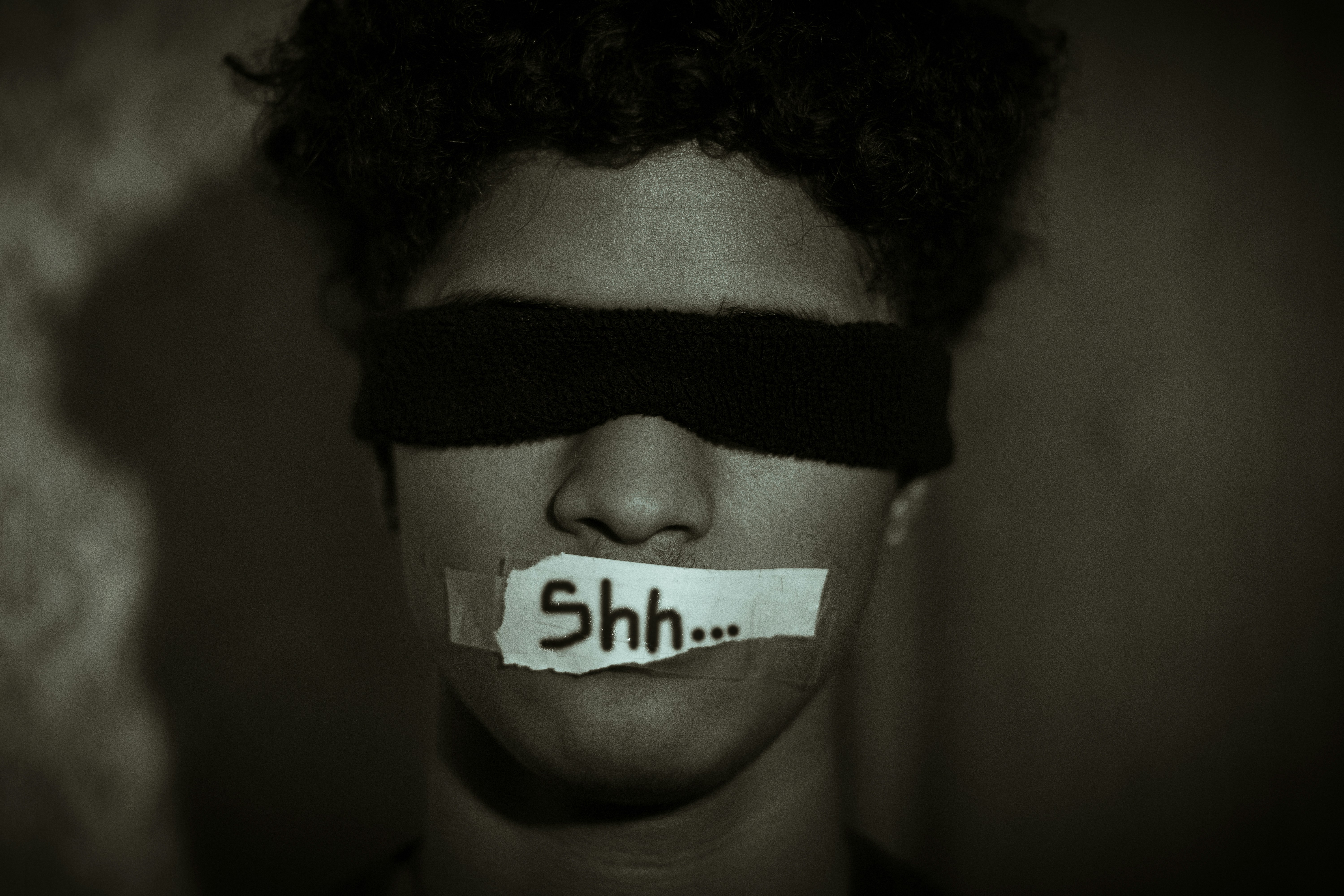
Photo by Mel Elías on Unsplash

Bounce-backs are a bad idea for a number of reasons.  First of all, they don’t change anything.  Unless a rejection is conditional (it rarely is), all a bounce-back does is make an editor who probably already feels bad about it feel even worse.  Misery may love company, but it’s unprofessional to spread it around.  Secondly, bounce-backs hurt your future prospects.  Nobody wants to establish a professional relationship with someone who can’t take rejection.  A third reason is you’re asking someone who’s already considered your project and who’s moved on, to take more time with a book (or article, or story) to which they’ve already said “no thank you.”  A fourth reason is that a bounce-back announces loudly and clearly, “I didn’t take time to think about this; I’m reacting emotionally.”

One of the best things an aspiring writer can do—and this includes academics—is to learn about the publishing industry.  There are tons of resources out there.   The best information I personally have found on success in academic publishing is reading about how to submit fiction for publication.  I have a very long list of rejections to hold up against the twenty-something stories I’ve had published.  None of those rejections felt good.  Obviously, I thought my material was good, otherwise I wouldn’t have sent it in.  I try not to take it personally, but slowly learning those lessons has led to more frequent success.  You need to practice submission to get better at it.  I’m somewhat of an expert on aporripsophobia, so I can say with confidence that even a nice, polite, “thank you” in response to rejection is not favored.  Simply let it go.  That’s the professional thing to do.


Final Stretch

There comes a point, in my experience of book writing, when you can think of nothing else.  This is near the end of the process.  For months and months you’ve been working at it in increments, and the sudden realization hits you that other people are (you hope) going to read what you’ve been scratching out for a couple of years.  My interlocutors tend to be in print or email form.  I don’t work day-to-day with colleagues who know about the book, nor, I suspect, would they care very much.  In my case this comes as I’m trying to generate attention for Holy Horror, with very limited results.  But I don’t have time to think about that now.  Nightmares with the Bible is almost ready to submit.  If only I had more time to read everything.  If only.

Writing is a challenging form of expression.  Let me qualify that: getting writing published is challenging.  The actual craft flows.  The book that is intended to pass scholarly muster, however, must be full of notes and quotes.  I’m trying to leave those behind as much as possible since I’ve been reading about these topics for decades and that ought to count for something.  Still, that nagging doubt awakes you—haven’t you overlooked something?  Some vital source that you should’ve cited?  Some argument that knocks your book off its stilts?  Near the end of the process it’s hard to concentrate on other things such as blog posts and tweets.  Yet you need to build your platform while you’re standing on it.  And then there’s the small matter of work that will demand well over forty of your waking hours this coming week.  And the index—you can’t forget the index!

In the intervening months you might’ve read some newspaper headlines, read some books off-topic, read other people’s blogs, kept up with social media.  Now, however, you have tunnel vision.  You’ve said what you have to say, you think.  You must check it.  And recheck it.  Did you leave a sentence open for later comment?  What chapter was that in?  Have you figured out how to close it?  Woe betide those to whom this happens at tax time.  Or before a business trip.  Making a living as a writer you do not.  This avocation, however, is your life.  Your legacy.  Editors who’ve been remembered are few.  A book is a stab at immortality.  There are meetings.  There are work deadlines.  There’s a lawn to mow.  Those, however, are mere distractions at this point.


Universal Books

I’m reading an overwritten book right now.  In fact, I just finished an overwritten book.  Such works, I suppose, are the results of being taught how to write.  It’s not that people can’t be taught to compose, but for various reasons some authors, either through the privilege of having high-powered publishers, or their own conviction that they don’t require correction, overwrite.  I suppose overwriting is, like beauty, in the eye of the beholder.  Several years back I recall a critic stating Lemony Snicket’s A Series of Unfortunate Events was overwritten.  I thought it was fun.  Yes, deliberately exaggerated, but nevertheless well-composed.  Those books were enjoyable to read because, I think, they refused to take themselves seriously.  Writers can be temperamental people.

As an editor something I need to repeat—for academics are consummate overwriters—is to keep your intended readership in mind.  No book is written for everyone.  In fact, many people can’t make it through books like the Bible because they’re hard to read.  Religious books often are.  There’s no such thing as a universal book, but some believers in some religions make the claim for their sacred texts.  Like many curious people I find it rewarding to read the scriptures of other traditions.  It’s not always easy—in fact, it seldom is.  It’s frequently disorienting and I look for an edition with an introduction.  The reason is when it comes to books, even sacred ones, it’s not one size fits all.  Many religious conflicts in the world could be resolved if we’d just realize this.

Someone who reads a lot is bound to be disappointed from time to time.  We turn to books either looking for a certain mood or specific pieces of information.  Authors often take things in their own directions.  Our minds don’t all work in the same way.  That’s why, in my opinion, reading is so important.  I prefer “long form” writing—I always have.  Sometimes an idea can be well expressed in an article, but taking the time to develop ideas requires a nuance not all publishers appreciate.  (Yes, I realize that by expressing this sentiment in a brief essay like this I leave myself open to deconstruction—one of the overwritten books I just read was written by a deconstructionist.)  Still, I have trouble abandoning books that take ideas in a way I wouldn’t go.  Usually when I start reading, I’m committed to finish.  Some would say that’s foolish.  I take it as a learning opportunity.


Cheaper than Swords

It’s chilly in here.  What with the early onset winter and the uncertainty of being able to afford the heating bills, we keep the thermostat pretty low.  That may not be the problem with our pens, though.  You’ve probably had it happen too.  You’ve got an idea and you need to write it right down.  You snatch up the nearest pen and begin scribbling on whatever’s to hand—a bill, a receipt, the dog—only to find the pen doesn’t write.  You scratch out circles or zigzags, depending on your mood and temperament.  The pen is, however, persistent in its refusal to let any ink flow.  You grab another.  The same thing happens.  Finally—third time’s a charm, right?—the pen writes and you’ve forgotten what you desperately need to put on paper (or parchment).

Despite wanting others to think I’m cool (I don’t see many people) years ago I started carrying a pen in my pocket.  Not just any pen, but one that would write immediately, the first time, without question or complaint.  Such pens don’t come cheap.  Then, of course, I would lose said pen.  The shirt pocket is an invitation to lose things.  You bend over and, depending on the fabric, what’s in the pocket falls out.  When it happens on a bus or plane—and it does!—your writing implement may roll away before you can reach it.  Have you ever tried getting on your hands and knees on a bus to try to squeeze down to look under a seat?  I have.  I don’t recommend it.  It’s like praying to the god of grime.  Still, I need that pen that obediently writes—I reach for it.

Some have gone the way of electronic writing.  Thumbs flying like a ninja they tap out texts so fast Samuel Morse’s eyes would pop out if they hadn’t long ago turned to dust.  I’m not a texter, though.  Those who know me know I prefer email where ten digits can work in concert and spare me sore thumbs and unintentionally brief messages that could easily be misunderstood.  No, better yet, give me a pen.  Any scrap of paper will do, but the pen is crucial.  How many ideas have died prematurely due to the pen that just won’t work?  I found a reliable pen refill.  I saved the package so that I could remember the brand.  Now I have to work out a way to have the pen with me at all times.  If the option for useful bodily modifications ever becomes a reality, a pen in the hand seems like the most practical of all.  Now what was I going to say in this blog post?


Writers Reading

A lot of misconceptions about books abound out there.  One of those misconceptions that has become clear to me is that authors write books to teach.  (Or to make money.  Ha!)  That may well be part of the motivation, but for me, the larger part has been writing books to learn.  You see, the frontiers of human knowledge cannot be reached without stretching.  Writing a book is a way of learning.  Long gone are the days when a person could read every known published work.  Indeed, there aren’t enough hours on the clock for anyone even to read all published books on the Bible, let alone the far bigger topics these days.  And so writing a book that deals with a biblical topic—let’s say demons—is the ultimate learning exercise.  It’s a very humbling one.

I recently read an article where book pirates (yes, there is such a thing!  I should explain: there are those who believe authors are ripping off society by getting royalties for their books.  These pirates, like those of galleys of yore, take ebooks and make them available for free on the internet.) call authors “elitists” for wanting to earn something from their labors.  These folks, I’d humbly suggest, have never written a book.  Most books (and I’m mainly familiar with non-fiction publishing here, but the same applies to the other kind) take years to write.  Authors read incessantly, and if they have day jobs (which many do) it is their “free time” that goes into reading and writing.  They do it for many reasons, but in my case, I do it to learn.

The doctoral dissertation is accomplished by reading as much as possible beforehand and writing up the results quick, before someone else takes your thesis.  It is the practice I also used for my second book as well, Weathering the Psalms.  The third book, Holy Horror, was a little bit different.  Yes, I read beforehand, but much of the research went on after the body of the book had largely taken form.  I had to test my assumptions, which are on ground most academics, needing and fearing tenure, tremble to tread.  I read books academic and popular, and having been classically trained, often went back and read the books that led to the first books I read.  It is a never-ending journey.  I could easily spend a lifetime writing because I’d be learning.  But like other misconceptions, those who write books don’t lead lives of luxury.  They work for a living, but they live for the chance to learn.  And that’s worth more than royalties.  Besides, the nine-to-five demands constant attention.


Awakening

Waking up for the first time in our new place, I felt a strange relief.   I hadn’t realized how much you feel owned when you have a landlord.  Slipping out of the bed while it’s still dark, vague shapes that eventually resolve into unpacked boxes lurk in the shadows.  They mean me no harm.  I go downstairs.  Downstairs!  Without revealing too much personal information here, I can say that I’ve always believed in sleeping upstairs.  In our several apartments my wife and I have lived on one floor.  Going to sleep meant walking down the hall into another room.  It lacked proper transition.  When we looked at houses it took some time before I could put my finger on it—we needed a two-story house.  You go “up to bed” for a reason.

The thing about writing is that it’s an activity of habit.  Not aware of the location of light switches yet, I shuffle slowly through my own personal towers of Babel.  Find the coffee maker.  Where do I go to write?  Not wanting to wake my wife, I decide it should be downstairs.  There’s the study, with its desk.  Seems pretty obvious.  Mug in hand, with no lights on, instinct drives me back to my usual chair in the living room.  Habits are seldom planned.  They happen.  I’ve become used to writing electronically, but as I wanted badly to explain to the movers, I grew up writing on paper.  Writers are readers and there are two things you don’t throw away—books and your old writings.  Carpenters don’t ditch saws and hammers just because they’re heavy and numerous.  There’s a kind of religious devotion here.

Don’t worry, I’ll soon be back to my more abstract topics on this blog.  Religion and all that.  Right now I’m in a transition and I’m wondering that if that means I’m now officially grown up.  If so, does that mean abandoning my childhood dream of being a writer and facing the fact that all these boxes were moved in vain?  Not having food in our new place, our first day we went to a Chinese restaurant for lunch.  The locals were talking.  Their concerns?  Lawn care and propane.  Everyday things.  Clean-cut and suntanned, they can tell at a glance that I’m a stranger with my unkempt hair and prophetic beard.  Is my writing fantasy just childhood gone to seed?  No.  Books and writings are my identity.  The movers may have mixed them in with saucepans and power tools, but I know at a glance which boxes contain books.  Soon they will be in every room of this house.  That will make anywhere feel like home, even if I can’t find the lights.  


Refillable Ideas

Maybe I’m too slow of thumb, but this ought to be simple. For many years I kept a small slip of paper in my pocket, along with a pen. Eventually I upgraded the paper slips to Moleskine notebooks since they’re harder to lose and the covers mostly prevent the smudging of my ideas. When something strikes me I don’t reach for my phone—by the time I enter the passcode, select the app, and try to type with fat thumbs, the idea’s gone. Instead I pull out my Moleskine, battered and frayed by the final pages, and my pen. The problem is I’m still enough of a working-class guy to lose pens. If a cord comes disconnected beneath my desk, I’m down there on my back fixing it rather than calling IT. Pens fall out of my shirt pocket on planes, trains, and automobiles.

A lost pen shouldn’t be a problem, but finding a pen that writes right away is. Like most people I have scores of throw-away plastic pens handed out by vendors with their company name on them. I prefer a good quality pen—the kind a family member gives you for your birthday—but they hurt when you lose them. I finally settled on a happy medium. One of my kin gave me a heavy-weight, refillable pen that has a robust clasp so it doesn’t slip out of my pocket, down between the seats of public transit vehicles. Refills, however, are another story. Who would’ve thought that I’d spend my time reading reviews on Amazon just to find pen refills that write the moment inspiration strikes? Well, I do.

Unlike those who whip out their phones to write things down, I still pull out my notebook. Nothing is more frustrating that feeling an idea evaporate while waiting for the ink to flow. My most recent refill is on strike most of the time, while that cheap pen from the health fair at work never seems to have a problem until it runs out of ink and has to be tossed into the landfill. I wonder if the Bible would’ve ever been written had Moses to rely on the poor quality of pen refills available before the common era. Maybe he had less commuting time, although I’d say 40 years in the wilderness qualifies. His stone tablets may have been heavier than my Moleskine, but his chisel was sure and his words still adorn courthouse lawns everywhere. Perhaps I’m too modern after all.


Time Killer

The internet, while it’s no longer free, still at least offers many opportunities to connect. No matter what your obscure passion, you’ll find others who share it online. In my own little shadowy corner of the web, I’m keenly aware of the time requested of others. When you stick a piece of writing in front of someone’s face, you’re demanding a real commodity of them—their time. I keep the vast majority of my posts here under 500 words. Google will now tell you how long it’ll take to read my musings, so I won’t even ask 15 minutes of your time. Others, however, don’t always get the message.

The internet has also granted those who write copiously the ability to send long messages to complete strangers. People I don’t know find my name and send me lengthy emails, perhaps supposing an editor simply chooses material at random to publish. I even get requests on LinkedIn that begin with “Seeking representation.” I’m not an agent, and I’ve had a great deal of trouble finding one to represent my own fiction. Those who know me sometimes ask why I don’t write something longer (I do—my third book is on its way), but the fact is I respect your time far too much. My thoughts about religion in modern life ask only a few moments of your time to think, I hope, about matters profound and important. Then click off to another site. Besides, this blog contains well over a million words by now, and that is plenty long.

I try to read every email from an actual human. I also read about 100 books a year, not including those I read all day long at work. My world is made of words. I do not, however, have unlimited time. Sadly, when I walk into a bookstore I often look at how thick a book is. How much of my time is an author demanding? Don’t get me wrong, there are plenty of books with a weight problem on my shelves, many of them read from cover to cover. Still, they’re asking for my trust. Trust that the time spent won’t have been wasted. The web is a great place to kill time. It’s also a place, occasionally, to pause and reflect. This blog is no super-site with myriad hits every day, but it’s a place that makes little demand of your time. And it is my sincerest hope, dear reader, that time spent here is never simply killed.


Inventing Breaks

Breaks are good for many things. Time with family and friends. Hours of non-bus time for reading. Watching movies. So it was that we went to see The Man Who Invented Christmas. It really is a bit early for my taste, to think about Christmas, but the movie was quite welcome. Being a writer—I wouldn’t dare to call myself an author—one of my favorite things to do is talk about writing. Watching a movie about it, I learned, works well also. The conceit of the characters following Dickens around, and refusing to do what he wants them to should be familiar to anyone who’s tried their hand at fiction. My experience of writing is often that of being a receiver of signals. It is a transcendent exercise.

Not only that, but in this era of government hatred of all things creative and intellectual, it is wonderful to see a film about writing and books. The reminder about the importance of literacy and thought is one we constantly have to push. If we let it slip, as we’ve discovered, it may well take considerable time to recover. Getting lost in my fiction is one of my favorite avocations. Solutions to intractable problems come at most improbable times. Although publishers tend to disagree with me, I find the stories compelling. In the end, I suppose, that’s what really matters.

On an unrelated note, this is the second movie I’ve seen recently that attributes non-human actors their real names in the cast listing. What a welcome break from the blatant speciesism that pervades life! Animals have personalities and identities. Humans have often considered the privilege of being named to be theirs alone. True, animals can’t read and wouldn’t comprehend a human art form such as cinema. But when they communicate with each other, they may well have names for us. The beauty of a story such as A Christmas Carol is that it reminds of the importance of generosity. We should be generous to those who take advantage of our kindness. Our time. Our energy. We should also be generous to those who aren’t human but are nevertheless important parts of our lives. The movie may have come too early for my liking, but the holiday spirit should never be out of season. If we’ve made a world that only appreciates kindness because much of the rest of the year is misery, it means we’ve gone too far. Films can be learning experiences too, no matter the time of year.


Shocking Truth

The electrician recently stopped by. We’re renters and although I don’t mind doing minor household repairs to benefit the landlord, I draw the line at electricity. It’s a scary thing. I’ve been shocked too many times to want a jolt bigger than I can handle. I even once accidentally grabbed the metal prongs when unplugging something as a child (it was a microscope light, I remember) and that helpless feeling of being unable to drop the plug even while my body jerked uncontrollably left me with a healthy respect for those who actually understand insulation, capacitors, and those impossible electrical diagrams. So when the pull chain came out of the ceiling light I wasn’t going to try to fix it.

The electrician, like most people who see our apartment, commented on the books. “You like to read,” he said. I can’t help but feel guilty about that. It’s almost as if you should apologize for requiring the stimulation of so many tomes. I confessed that I did, but I wanted to justify it. “I work in publishing,” I feebly offered as an excuse. Concentrating on the fixture above his head, he said, “I don’t ever read a book unless I have to.” He fixed the pull chain and left. I couldn’t have fixed the thing so quickly, or safely. He even had a metal ladder. I was grateful for the light, but once again felt somewhat freakish for my bibliophilia.

Those of us who write books must read books. You can’t learn how to do one without the other. Because of movies and television, we picture writers as people with large houses and separate rooms as libraries where they can sit surrounded by books as they type away at their next bestseller. Those of us who work for a living seldom have such luxury. A separate room just for books? I like letting my books reside in whatever room they feel like. Most affordable apartments don’t come with a study. There are living room books that you want people to see, and kitchen books that suggest good things to eat. There are bedroom books that you might not want others to see. What I don’t have is a library. A book zoo. My books roam freely about my home. It occurs to me that one area lacking in my collection is one about household wiring. Maybe instead of feeling weird I should get wired. I’m sure there are books out there that will tell me how. Or at least that will let me know that a wooden ladder makes a poor conductor.