
Okay, I confess. When I learned my recent host in London lived in Highgate, my thoughts immediately went to the Highgate Vampire. I first learned about the Highgate Vampire from Matthew Beresford’s From Demons to Dracula: The Creation of the Modern Vampire Myth, a book that spoke to me at some inexplicable level. Claims had been made that an actual vampire roamed the north of London in the 1970‘s. My first thought was utter skepticism—one of the reasons that I was never afraid of vampires is that I knew they couldn’t possibly be real. The mythical world of a fundamentalist allows deity, devil, angels, and demons. No more, no less. The vampire, as a supernatural creature largely dreamed up by John William Polidori and Bram Stoker, was a literary monster only. As a doctoral student in Ancient Near Eastern religions, I learned that the prototype of the vampire went back to Sumer, the earliest civilization known. Still, I wasn’t worried. The Sumerians also believed in night hags and dragons and had no crucifixes to keep the beasts down. Then I learned about the Highgate Vampire.
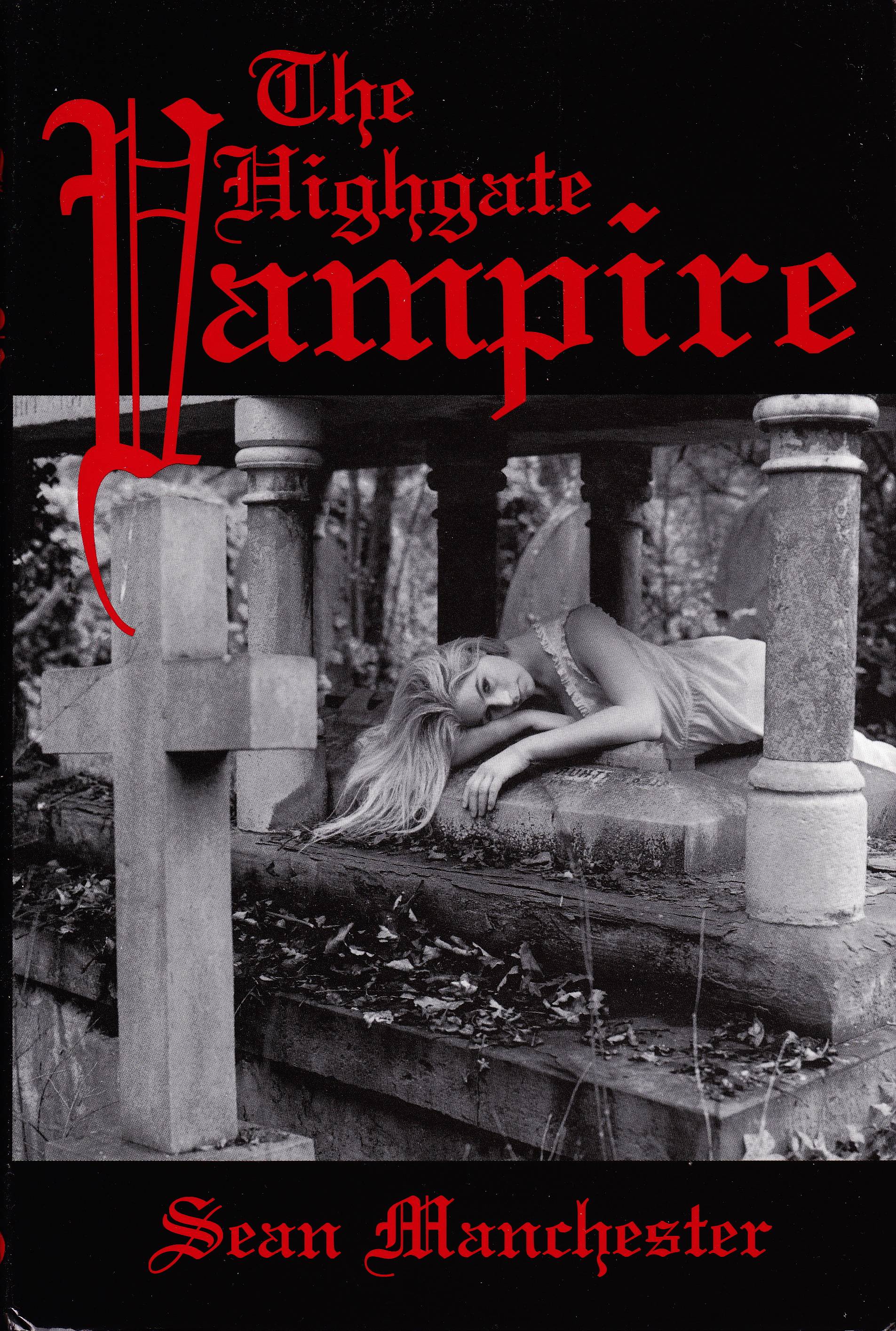 I have just finished reading Sean Manchester’s most recent iteration of his account of slaying the Highgate Vampire. Manchester, a bishop in the Old Catholic Church and a descendant of Lord Byron—Polidori’s close associate—claims to have staked the vampire in the backyard of a haunted mansion in Hornsey. This transpired in 1973. There’s one born every minute, right? But then, there are the claims of physical evidence: exsanguinated foxes, photographs of rapidly decomposing corpses, the obvious ardor of Manchester’s personal account. The mental jarring was extreme—surely a priest would never fabricate such a tale? Surely the vampire is a fictional creature with no place in a rational world? Why did Manchester’s account resemble Jonathan Harker’s diary so much?
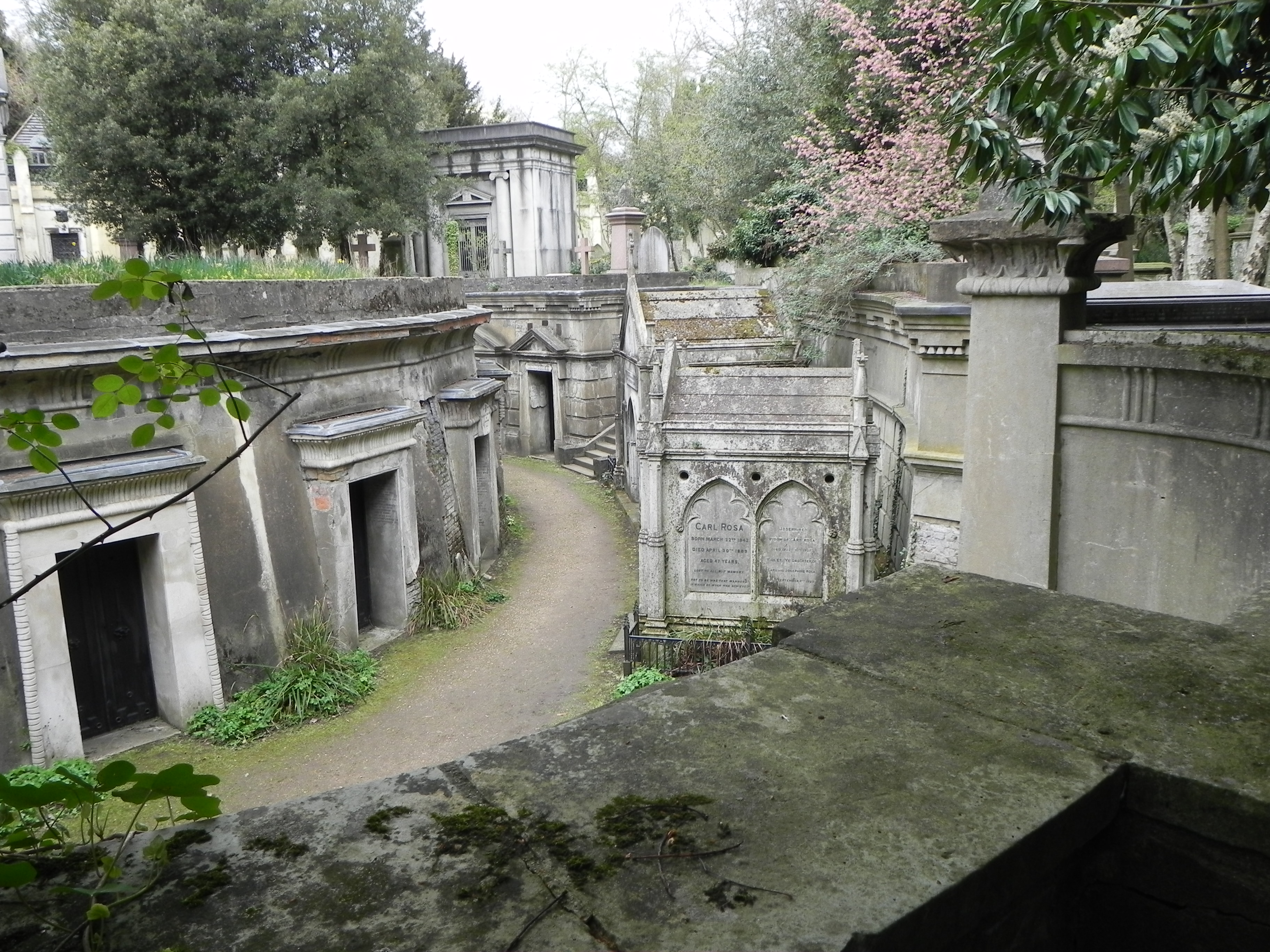 So, we were staying in Highgate, London. The first morning as the sun rose, I dragged my family to Highgate Cemetery. I hadn’t read Manchester’s account yet, and Beresford’s book was almost three years back in my memory. Looking through our pictures, there I found it—the tomb in which Manchester claims to have originally discovered the black coffin with the actual vampire inside. Whether fictional or not, I was in the presence of the vampire. The overcast sky, ivy coated tombstones, the jet-lag—all combined to provide the atmosphere for the impossible. I have no idea what really happened in London when I was a child in school, but I have learned that many adults will gladly drain off the very lifeblood of others in order to attain their own benefit. From the days of Sumer to the present, growing in number there have been vampires among us. Our lives are much more comfortable if we simply refuse to believe.
 Steve A. Wiggins
11 thoughts on “Staking a Claim”