Professor Little

There I was, some 3000 miles from home, in the office of a professor I’d never met before. On her desk a Gorgias Press catalogue. In that catalogue a miniscule picture with my diminutive face. Such are the little ironies of life. My ric rac career began when others started making suggestions about how being a janitor might not be living up to my full potential. Sometimes, often, I wonder if they were correct. Cleaning up after other people’s messes in the halls of our educational system seems like an incredibly honest career to me. Instead I have steered a course between the halls of academia and the halls of commerce. It is easy to suppose that I’m not really in control since even if I choose the general direction, I haven’t selected the specific circumstances. Recently I attended a conference where Gorgias Press had a booth. I looked over the tables, spying names of authors whom I had given their first start in publishing. With books struggling for elbow room in my own head, it is a bittersweet experience.

Watching the glacial ballet of higher education unfold, it often occurs to me that universities are not smart. Many brilliant minds work in them, and much light shines from them, but on an institutional level decisions are often made that jeopardize the entire enterprise. Over-emphasis on sports, over-utilization of adjuncts, over-payment of administrators—these are not signs of soaring intelligence. They are signs of institutions in a muddle as to their true identity. Are they businesses or centers of creativity and education? The basic business model is not “one size fits all,” and universities managed to maintain an enviable idealism until they began to emulate the corporate world. The tattered results lie all around us.
All through my educational journey, there was no guiding light. In my experience, higher education was a wondrous journey that suddenly terminated when I didn’t measure up to someone else’s standard of Christianity. By that point, I was ill-prepared for the savage politics of higher education. The transition from author to editor may sound simple enough, but things are seldom what they seem. Education may not make one smart, but it sure puts ideas in one’s head. Sometimes I reflect on those books that will never be written. I’ve never been any publisher’s darling, but here I am staring at a little picture of a little man. I’m sure there must be a lesson here somewhere, but I’m not smart enough to figure out what it might be.
Spare Change

The vernal equinox snuck up on me this year, and I learned that it can also be what those in medieval Europe used to call a “dismal day.” The sun was out and the temperature was unseasonably warm, but beginning with breakfast and all the way until bed-time, things just didn’t go according to plan. My mother had been admitted to the hospital, and I live some 600 miles away. When I called to see how she was doing, I spoke with a bureaucratic nurse who could neither “confirm or deny” that she was even there. I wasn’t aware that my mother had connections with the military, government, or covert operations. When I said I was just looking for my mother I got read the riot act including—this is the truth—having the Hippocratic Oath cited at me. I think, in all honesty, it might be spelled Hypocritic. Don’t get me wrong—I think it is important to protect people’s rights, and I sure the duty sergeant—excuse me, nurse, was only worried about lawyers and lawsuits. We have constructed a country so insidious that a boy can’t talk to his own mother. Eventually she put my call through to the patient’s ward where one of the patients answered the phone and went to find my mother for me. We call it civilization.

I’m not the most technical of guys. Think about it—I majored in very dead languages. When my wife surprised me with an iPhone for Christmas, my brother-in-law kindly agreed to get in on the surprise and took care of the details. We went into the Verizon store after the holiday and switched the phone (with the phone number I’ve had for years) into my name. Nearly four months later, when I tried to change some plan details, both he and I had to call Verizon several times to get the mess straightened out. One of the communications giants seems to have made itself so technical that it can no longer understand a simple request. When the Verizon representative asked if I understood the user agreement I said yes. Have you ever read one? No one without a law degree could possibly understand. Even Moses didn’t have a cell phone. I had to spend an entire evening getting my own phone back under my own name. Our society has taken what should have been a two-minute phone-call and made a mini-series of it.

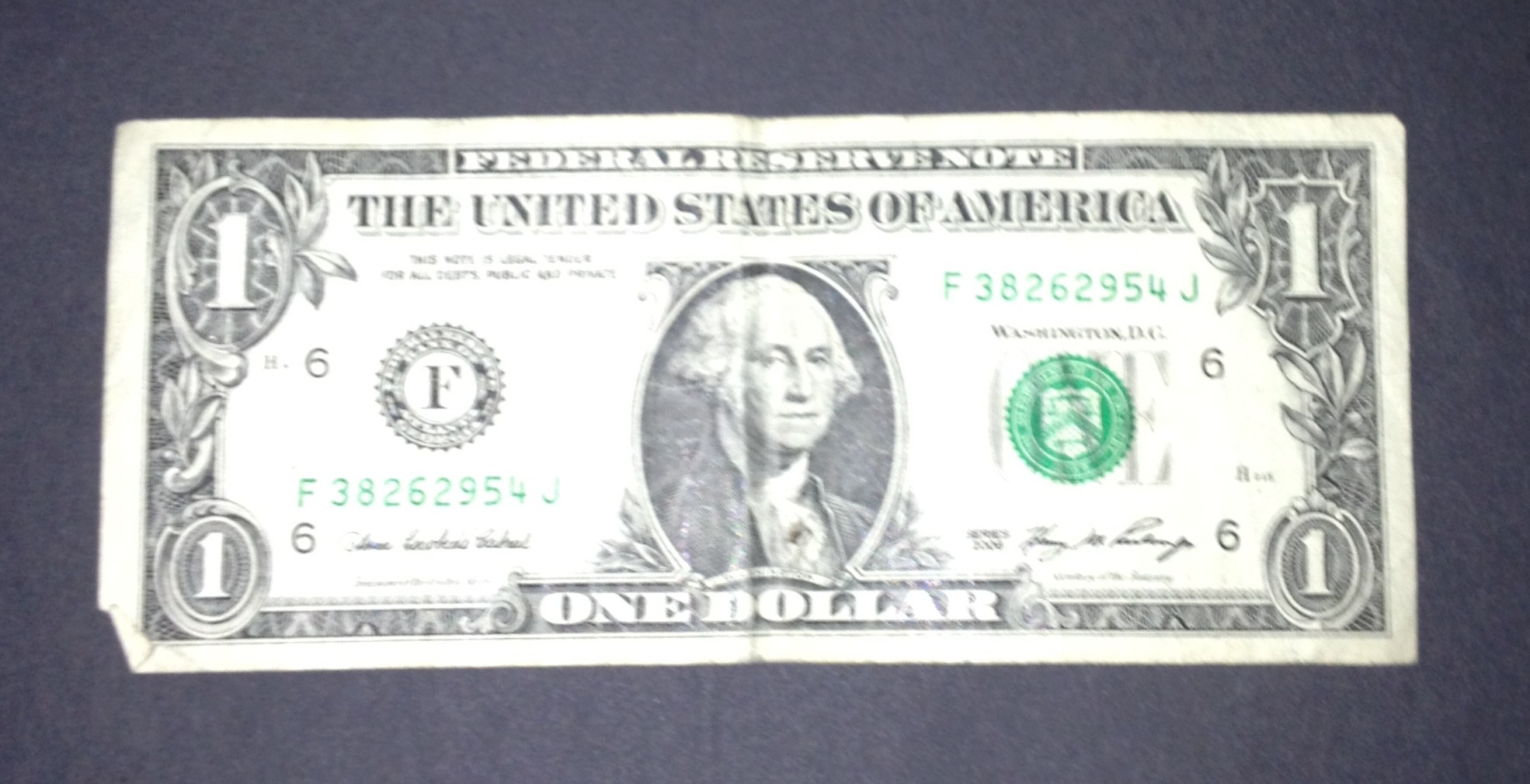
So, is it because the vernal equinox is so early this year that my world went haywire for a day? We live in a society where it is nearly impossible to prove you are who you say you are. And children are not allowed to speak to their own mother. Lawyers have taken the law meant to shield us and made a bludgeon of it. Communications experts obfuscate. It may seem random, but these two phenomena have the very same evil as their root. They are twin trunks springing from greed. The nurse can’t put me through because a lawyer may sue. My phone number can be reassigned to my name, with added costs, approved by lawyers that only corporate giants can afford. Human need has been reduced to terms of cash. The trees are budding. The air is warmer. Flowers are in bloom. But it certainly doesn’t feel like spring to me. That chill you feel is cold, hard cash. We are all just spare change.

The weight of a human soul, legally.


Sacred Philadelphia

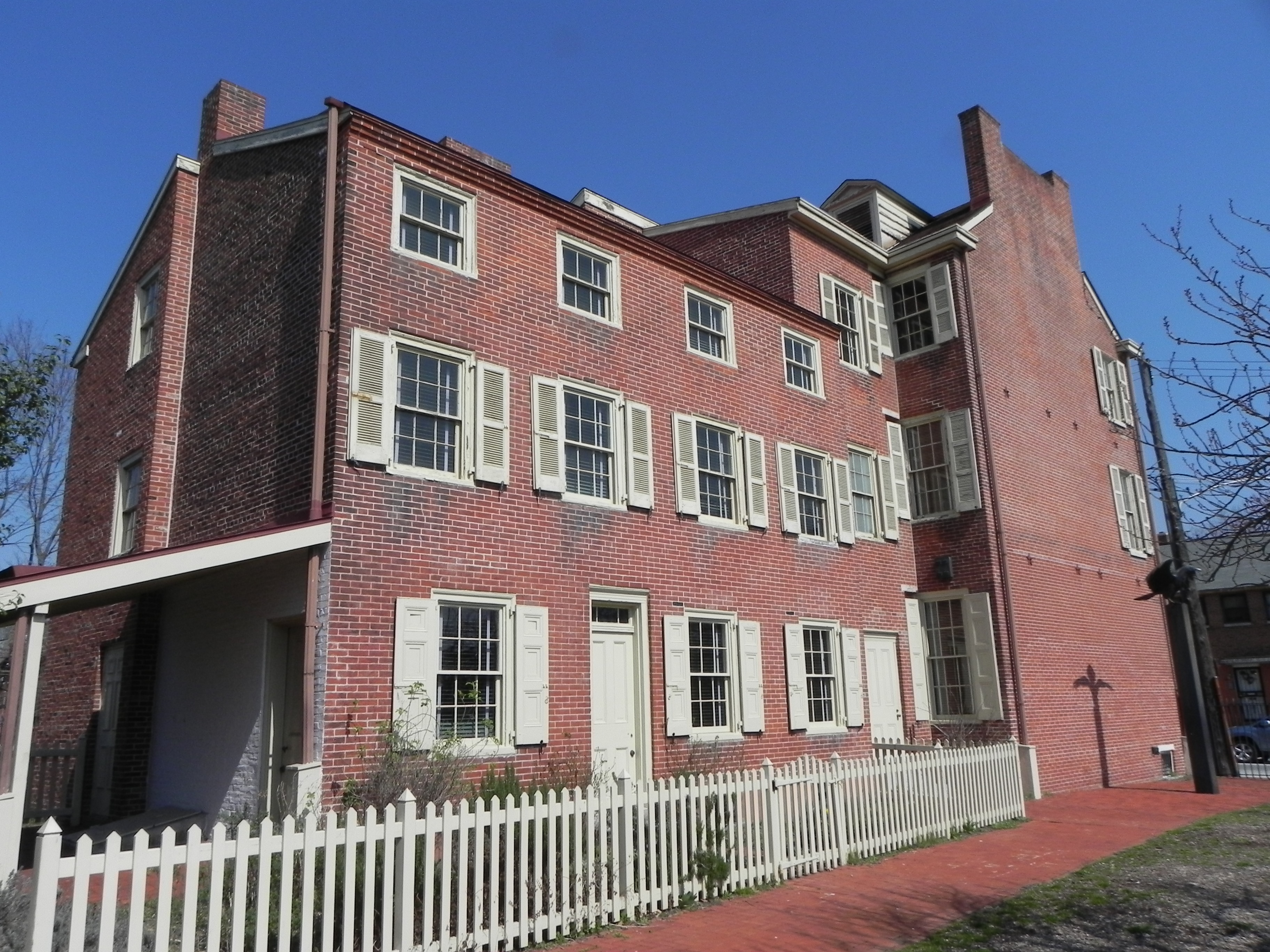
What makes a space sacred? There is no agreement on that issue, but it is clear that considering a specific location numinous, holy, or just special is something that even the most secular do. We trek to the places where something happened, maybe hoping for a personal epiphany or enlightenment. So yesterday I found myself in Philadelphia on the trail of Edgar Allan Poe. Like some other famous figures of the past, Poe was essentially homeless—no place claimed him (though now many do). Several years of his short life were spent in Philadelphia, and only one of his residences still survives there. On a pleasant Saturday it was clear that many others were drawn to this sacred space on pilgrimages motivated by diverse needs and curiosities. My family has gone on literary trips for many years, visiting the places of writers—for, at the end of the day, every piece of sacred writ has a writer.

Poe's house on Spring Garden

I can’t recall a time, after I began to read, when I did not favor Poe. Like some other inspirational figures he lived a short life, frequently rejected by his peers. Sad circumstances haunted him and he expressed them so well. His was a rare gift. Standing in his Philadelphia house, I guess I might have been hoping that, on some level, he might know that his life had touched mine. We all seem to leave an intangible part of ourselves in places we have been. Even the hardest skeptic of the “paranormal” will travel countless miles to come to some location of significance. There is no logical reason to do so. It is perhaps the most human of religious impulses. I saw no specters, heard no ghostly voices. But I saw and listened and wondered.

Writing is among the canon of sacred activities. It is taking what is hidden safely inside the confines of our minds and offering the opportunity to others to read it. Frequently it is ignored, lost in the noise. Life is too busy to sit down and read unless some teacher or professor assigns a task with grade consequences. We miss, however, so many opportunities to explore the legacy bequeathed to us by great minds. Our lives are driven by economics, not enlightenment. Poe died poor and largely unmourned in Baltimore after having called many locations home. Those locations are now shrines. I suspect he may have been very surprised to learn that over a century and a half later some people would attempt to follow in his footsteps for what can only be described as religious reasons.


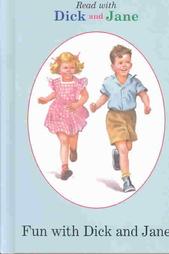
Fun with Dick and Jane

Occasionally somebody will ask me what the purpose of this blog is. I’ve read enough blogs myself to admit the question itself puzzles me. Those of us who are driven to write (and I know some of my readers can verify this—I’ve been a writer all my life, no matter what my job) are all Pontius Pilate. The reference is in the Bible, if you are unfamiliar with the allusion. Anyone uncomfortable with ambiguity will not find much satisfaction here. Our society likes to believe the truth comes in two shades only—black and white. Our society really should get out more. Even “black-and-white” pictures are actually shades of gray. Some people believe we should stick to our assigned roles, but a person is larger than the job society will allow her or him. Religions have often called this embiggening a “soul,” others have recognized it as “personhood.” No matter what you call it, an individual defined only by their job is mere shadow-play.

Back when I was teaching I always told my students that we are taught to read so early that we soon do it unconsciously. Yet, somewhere below the surface we know different materials hold different reading requirements. It is my sincere hope that the Constitution is not read with the same expectation as the sports page. For those who are willing, however, profundity can even be read in road signs. Reading is a two-way street: we bring to it nearly as much, if not more than, we take away. Truths may be out there, but no one down here can lay claim to their totality. If such were the case, there would be no need of elections, or more than one publisher. Bibles, properly speaking, have no covers.

Writing is an end in and of itself. Those few untrammeled moments of each day when the demands of work or responsibility lessen their grip just a bit, and the universe seems to welcome your thoughts. My experience of life from rather humble family circumstances has been that those better off like to tell you what to do. I have never been a boss, nor do I ever really want to be. My dreams are more vapid, vacuous, and vivacious. In my writing I can actually have fun. After I lost my long-term teaching post a career counselor told me that I had to separate myself from my job. Every day there are those who try to undo that sage advice. A blog is nothing more than a tall ship and a star to steer her by. If you can figure out what that means, please let me know.


Sheep, Goats, and Preferred Customers

The American dream, at least for many idealists, includes a classless society. Class has less to do with individual wealth than it does with a sense of entitlement or importance. During an election year we hear politicians advocating such utopian ideals, at least until they get into office. When is the last time you’ve seen a politician flying coach? I have had to fly quite a lot lately, and nothing underscores the rampant sense of self-importance as flying. First class passengers are pampered and fussed over while those of us of more humble means—or who work for more frugal companies—are treated with such condescension that Amtrak actually starts to look pretty good. Nowhere is this more evident than the mythical construct of “boarding lanes.” Anyone who has flown knows that, like in death, we all have to pass through that same narrow jet-way to get to our destination. There is one door and we all walk through it—even the flight crew. I’ve flown several airlines that now offer preferred customers the dubious advantage of boarding the plane through some kind of special “lane” that is in reality a ratty looking carpet that reinforces that some passengers are more equal than others.

Even religions that began as egalitarian enterprises soon constructed their own stratified societies. When’s the last time a bishop came calling, or even deigned to look your way? It’s not leadership that is at issue here, but the sense of superiority that comes with it. Can someone lead without the need of putting others in their place first? I have known some wealthy people, and occasionally met some very wealthy people, who have laid aside pretension and confessed that they were lucky enough to get a good deal. Such people, it seems, are rare. The fact is that hard work sometimes only leads to backaches and headaches, not personal advancement. And yet we literally roll out the red carpet for those who want to board first. If the plane goes down, we all go down together.

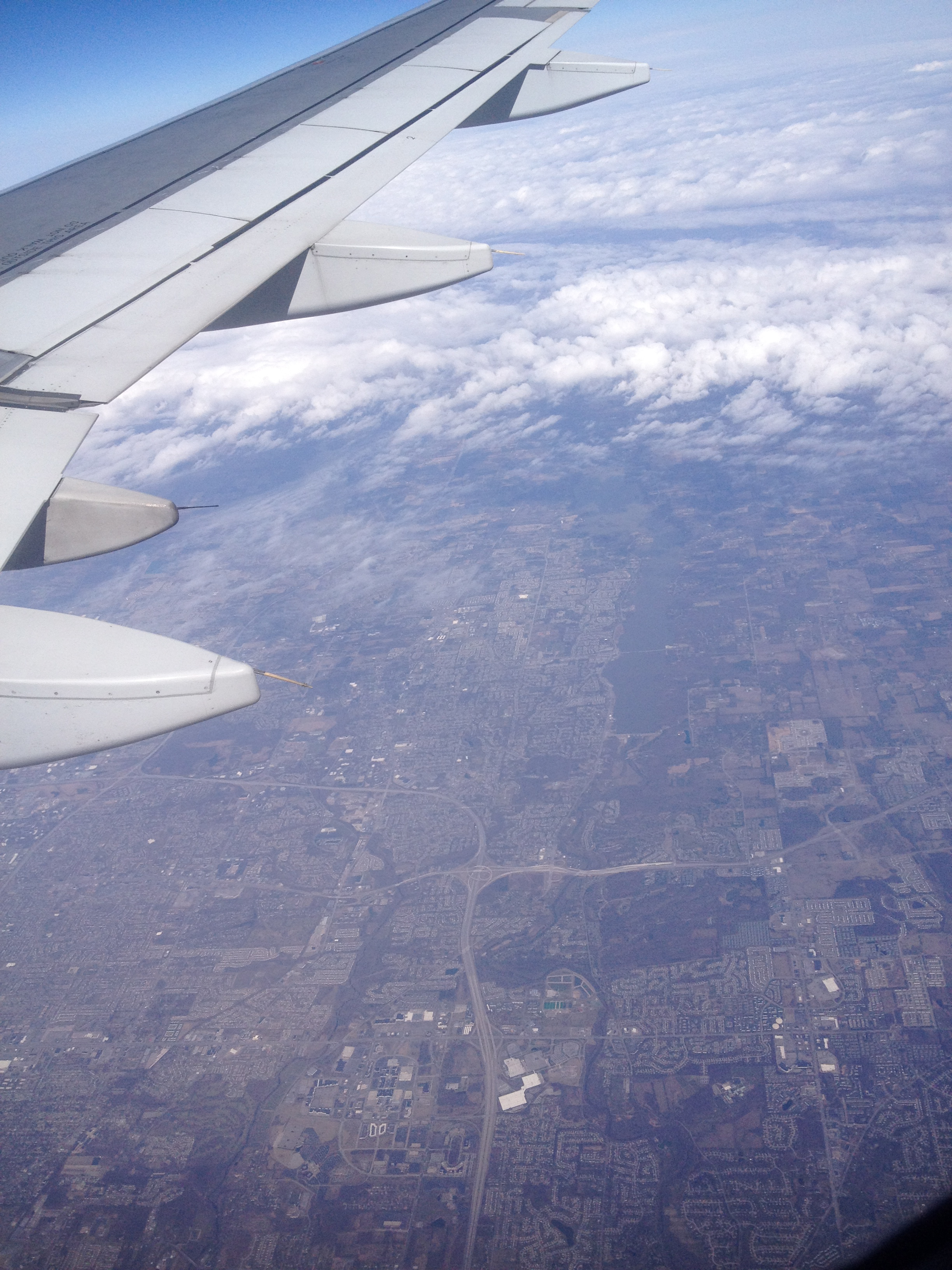
I realize that airline gimmicks are merely strategies to get some people to pay more for basically the same services as those in economy class. Oh, maybe your first class meal is complimentary, but it is still airline food. The pressurized cabin air we breathe we breathe in common, even with a thin curtain between us. Some of us have thinner wallets than others, and perhaps even thinner skin. But still we can dream. Looking down on the towns and cities of this great egalitarian experiment from 40,000 feet, everyone looks pretty small. Rich and poor alike are so tiny that you can’t even see one single individual even if you tried. That is the metaphor that perhaps sums up best the experience of flying. My sole has never touched the special carpet of privilege, I am frisked and prodded by strangers while first class customers are above suspicion, and I hear very wealthy men braying why I should elect them to lead this classless society. Time for a reality check. Step this way, sir, and spread your feet a little further. This will only take a minute.

Who's who?


California State of Mind

California, it is sometimes said, is a state of mind. I leave today after a few days in Santa Barbara with a bag of mixed impressions of one of our nations great schools. My first impression on the University of California Santa Barbara campus was almost a physical one. Literally. I had no idea of the bicycle culture and nearly stepped into a bike lane with the flow of a New Jersey storm drain during a Nor’easter. California is a culture of wheels. I’d never been to a campus before that has four traffic lanes for non-motorized travel: two bike lanes going opposite directions, a skateboard lane, and the humble pedestrian walkway. There are so many skateboards here that the counter-culture has become conformist. Sorry, Bart, it’s true. And concern for the environment is palpable. Reclaimed rainwater feeds the lush plant life, every possible recycled item is sorted and sent to the correct facility, students bicycle instead of drive, smart cars are very evident for the two-wheel impaired, and almost nobody smokes. And as I ate my supper alone in the student union two separate groups of Christian students were having very vocal conversations about their faith. Free spirits not realizing that they’re trapped.

One conversation with a Native American specialist stayed with me. She spoke of how missionary work has damaged indigenous cultures irreparably. I listened in fascination as she told me about the local history. How an historic Spanish mission was publicly adorned with the skull of a murdered Native American and how it took years of persuading to get them to take it down, even in the late twentieth century. Across campus students are praying to Jesus for the courage to continue witnessing. In Newark, I suspect, a couple of guys are still laughing.

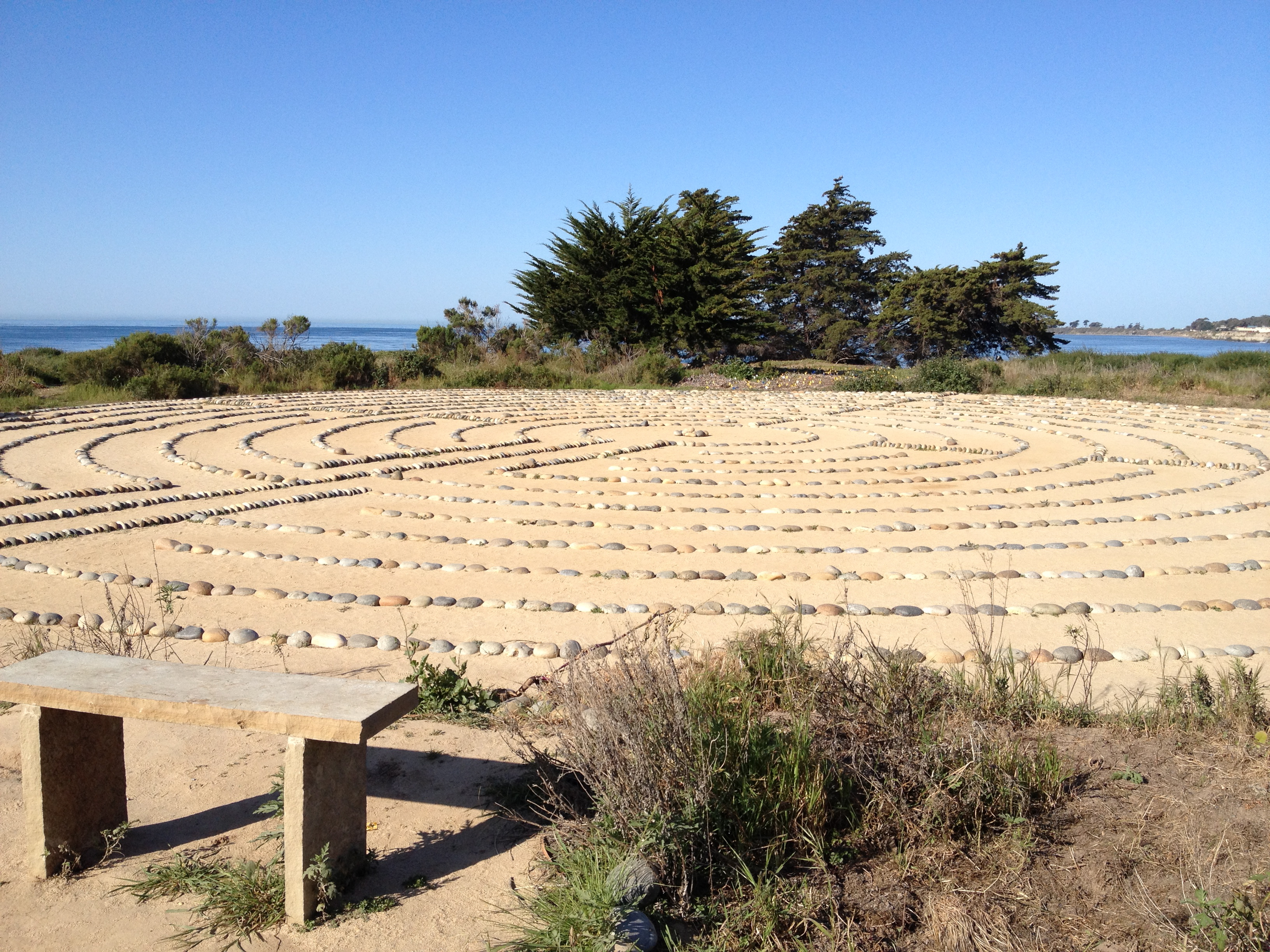
On a brief respite from my busy day of meetings, I walked the Lagoon (sorry, I can never see or say that word without thinking of Gilligan’s Island) Trail. Emphasizing the environmental features of this wetland habitat, the trail leads down to the ocean where flocks of pelicans and egrets fly overhead, unperturbed on the shores of the vast Pacific. In 1969 what had been to date the worst US waters oil spill took place from Platform A, still visible in the distance from the beach. My thoughts turn from Gilligan’s Island to Deepwater Horizon. My laughter to tears. The Lagoon Trail winds through the headland to a labyrinth. In today’s resurgence of interest in the labyrinth, it is viewed as a spiritual journey. Labyrinths appear in churches as early as the Roman Empire, but nobody knows what they mean. I silently stand beside the maze. What does it mean? Platform A leers from the ocean. Christian undergrads look to convert the world. And under the cross is not the skull of Adam, but that of an anonymous Native American. What does it mean?


Religion Undisclosed

I’m getting to be a pat-down connoisseur. In Raleigh-Durham it was a more intimate affair with Mr. TSA—I don’t even have his name or number—narrating the intimate details. “I will move my hands up your thigh until I encounter ‘resistance,’” he said. At Newark the pat-down was quicker, more business-like, almost as if Mr. TSA were embarrassed. In Raleigh-Durham, nobody batted a lash when I said full-body scanners were against my religion. At Newark, they laughed. The gate attendants began asking me what my religion is. Private. My religion is as private as my “resistance.” And I was being ridiculed for it. This is the Patriot Act vision of America. Regular readers of this blog know that I have never revealed my religious convictions. They are a very private matter with me, and I had supposed that I’d been born in a nation where that was respected. Instead, I am laughed at.

We extend religious liberty to those who wish to handle rattlesnakes. To men who wear black dresses and have an historic penchant for young boys. To people who believe the world was created in six days. To people who believe golden tablets only seen by one man through rose-colored glasses are the basis for sacred scriptures. To the traveler who believes in the integrity of the human body and cannot divorce it from the respect and dignity of human modesty, this does not apply. Religions arm military forces. Religions rape women. Religions murder children as well as adults. Who’s laughing at them?

I wonder if I might have a legal case here. When has the free practice of my religion—which decrees that full-body scanners are immoral—been opened to public scorn? And don’t tell me it’s the price of security. I walked through “security” with my eyes open; first class passengers do not get scanned like hoi polloi. It’s not a matter of security—it’s about control and money. When will the people take back control of their own country from officials inebriated with power? I feel no safer with a stranger’s latex-gloved hand on my resistance. I feel no safer when people who couldn’t cut college get jobs in the US government and look at their fellow citizens naked. You’ll blank out my face? That makes it even worse. If someone’s going to violate my dignity I want him to look me in the eye and realize that it’s a human being he’s humiliating, not just a hunk of meat. Or in the language of the TSA, mere resistance.

First, show me yours


I Pledge Allegiance

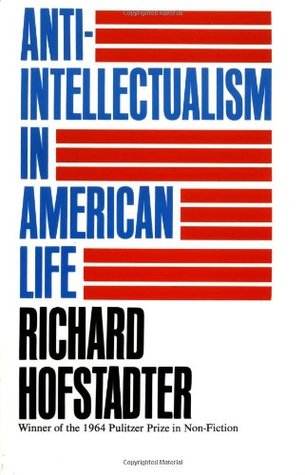
It would only be with the most tentative and hesitant of reservations that a person might call her or himself an intellectual. The denotation carries with it such possibilities and potentialities of arrogance that even being seen reading Richard Hofstadter’s Pulitzer Prize-winning Anti-Intellectualism in American Life in public could be cause for considerable timidity. The end result, however, is so rewarding that it is worth the risk. Seldom have I read a single book that explained so much of what continues to define our society. As an historian, Hofstadter was acutely aware of American self-perception—so much so that it seems foolhardy to distrust him. Although the book was published in 1962, it seems as though the five decades of my life haven’t had time to transpire—things are shockingly similar to the myth of the 1950s that still drives the Religious Right. Hofstadter could be lurking in the corner with his pen even now. I turned to this book because I had grown weary of having felt set upon by a society I have only ever wanted to improve. In tracing the roots of anti-intellectualism Hofstadter clearly demonstrates that the distrust is felt on both sides of the divide. Having not had the dubious benefits of an affluent rearing, I simply followed where my limited talents led. What future is there for a poor boy who likes to read and write? My earliest and most honest aspirations were to become a janitor. At least in that job you can see the filth being scrubbed away.

Expecting an objective historical account of intellectual history, I was surprised to discover that the first section of the book dealt with the privileged place of evangelicalism in early America. I’m not so obtuse as to have overlooked the obvious mockery that the intellect receives so freely from the coffers of Christendom; one need only glimpse the headlines or listen to street-corner evangelists for a fraction of a minute to learn that. I had supposed that my limited experience had made me naïve in assuming religion stonewalls free inquiry. The problem, it seems, is endemic. Those who would suggest that brains are actually meant to be taken out of the box and played with incur the wrath of the almighty.

Hofstadter resisted keeping the gaze too long upon the faithful, for there are clearly other forces at work. The rugged, self-made individualism of a nation that consisted of frontier until comparatively recent times also plays into this suspicion against the self-proclaimed sages. We have all had the displeasure of knowing the self-impressed, and their sticky indulgence in immodesty clings to many who simply can’t turn off the motor in their heads. Instead of walking away from the book feeling justified, I instead felt reflective. My own perceptions have led me down the path of trusting the guidance of the soul (whatever it may be), but the perceptions of others raised in different circumstances lead to materialistic assumptions, or the hunger for power. Deep down inside, though, I know that I shifted perceptions by the slow, steady influence of education. There is no unlearning that. And education has brought us this far. And a little intemperance in appreciating intellectual life may be the most venial of sins.


Book Me

I’m a reader by nature. I grew up, however, with television. I recall somewhat precisely when reading really grabbed me. Starting in fifth grade I began to stash cheap books in an old duffle bag in the room I shared with my brother. We lived in humble circumstances and bookshelves were a luxury, but I kept my precious books together so that I could always find the one I wanted. Eventually I upgraded to a suitcase made out of what appeared to be cardboard. This fascination with books would stay with me my entire life. So would the television side of my education. When I wasn’t watching cheesy B movies or World Federation Wrestling, I was watching documentaries. A few weeks ago, I posted about a documentary site on the web, and I have discovered another site as well, Documentaryz.

One of the benefits of the web is the access to free information. I regret not having the time to watch all the quality material that can be found with a bit of poking around. Documentaryz has several categories of shows available including, as befits this blog, religion titles. The documentary has clearly become an art form as well as a source of information. The problem with the web, however, is so little material is peer reviewed. I can imagine a better world where political speeches and sermons would have to stand before a board of peers to justify their often phantasmagorical claims. A world where someone can make no claims to special knowledge because an old man laid hands on his head or because he has too much money and wishes to run other people’s lives.

So it is that I come back to my books. On the bus, or in the airport, or train station, I often feel hopelessly outmoded as I sit among people with beeping, chirping, or rhythm-and-blues spewing devices. I sit holding a book. It’s bulky, and sometimes requires both hands to keep open. It doesn’t make any noise. I am the librarian of public transit. Sometimes well-wishers suggest that I might cull the herd a bit, get rid of some of the books I’ve spent a lifetime gathering. I think back to a little kid in a stuffy room with a duffle full of paperbacks and I realize that books are a lifestyle choice. They are a part of me. As much as I enjoy watching documentaries, I begin and end my day with books. It may be a parody or some bizarre irony, but the only room in our apartment without books is the bathroom. They are not the waste products, but the stuff of life itself.


Academic Omelets

As an erstwhile accidental adjunct, I came to see a side of the academy increasingly rare these days: the professional who must earn his or her keep. That life is less than half-a-year away and I still look to see what is happening as higher education crumbles under its own excessively disproportionately top-heavy infrastructure. An article in a recent Chronicle of Higher Education outlined how an adjunct, on his own initiative, began a survey of working conditions for those in similar academic situations. The results went viral and universities felt the need (only occasionally) to justify their actions. Expediency at the cost of a few eggheads nobody worries about, but when the news starts to leak like so many yolks, it is about time to at least act concerned. The phrase that stuck in my shell as I read the piece was this: “many adjuncts nevertheless feel they embody a lower class in academe.”

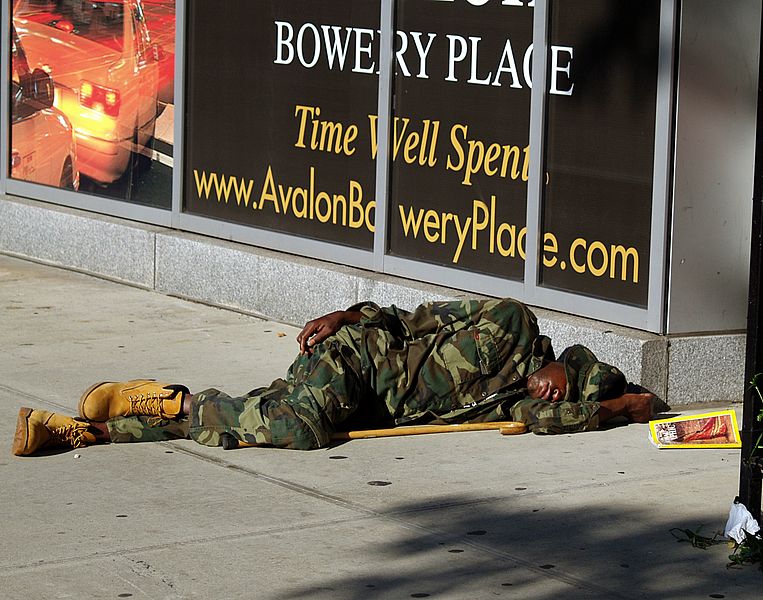
I felt like a bulls-eye had just been struck, and that bulls-eye had been painted on my forehead. Higher education has always been subject to claims of elitism and exclusivity. I entered the industry because at every stage along the way my instructors encouraged me to continue since I thrived in that atmosphere. I had entered higher education, however, from a humble, working class family. No dreams of power drove me—it was the sheer joy of learning. When I tried to situate myself among those who had had a leg-up in life, it was an uneasy fit. It’s like that uncomfortable feeling when a homeless person sits next to you on the subway. You know you could help, but you know there is an invisible wall that separates your world from his or hers. And hopefully, somewhere deep inside, you also realize that that homeless person could have been you.

The adjuncts are the working class among higher education. At some schools the full-time faculty teach very little and get to earn their lights as the brilliant minds who write books. I’ve written a couple myself. The difference is, they are bona fide. Privileged. Education used to be considered a great leveler. As in most myths, the truths in that sentiment are heavily metaphorical. Education could level the playing field if people weren’t prone to accept privilege when it is offered to them. What adjunct would not just as soon become the full professor with a light load and the fame of being featured on television and interviewed in Time? I don’t mean to single out universities—people in all situations tend to behave that way. No, I don’t single out universities. It was just that I hoped they might have been above this kind of thing.

This is your life, on adjuncts.


Nevermore

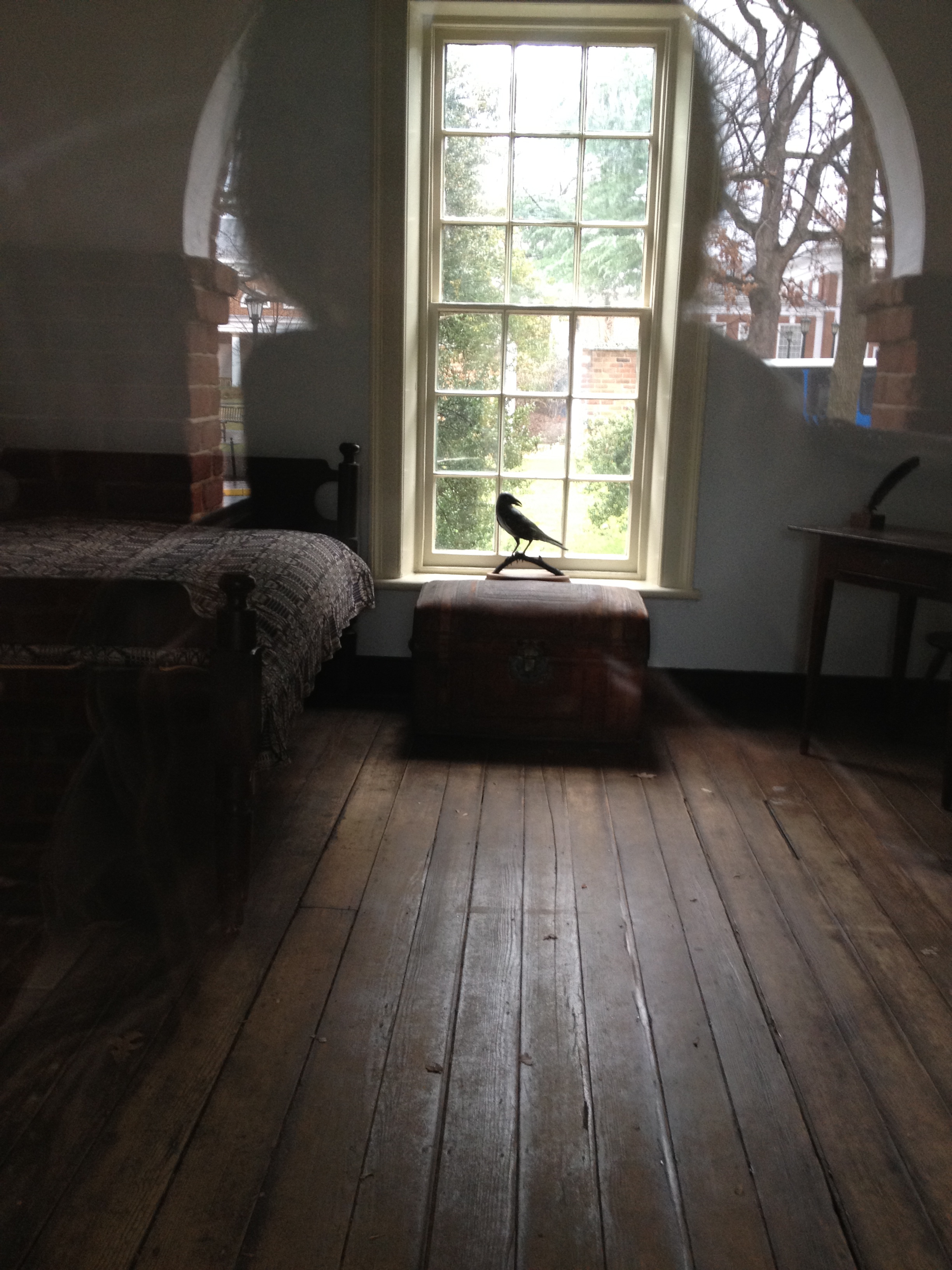
Once in a while an uncanny clarity penetrates this fog of an asphyxiating miasma that passes for a life in higher education. It was a rainy, gray day in February when I stood outside 13 West Range at the University of Virginia, looking into Edgar Allan Poe’s restored room. Poe, who is right up there with Melville and Moses among the greatest writers of all time, lived a life that was short, sad, and silenced. Or so it seemed. Dead by 40, with a career that never really got a foothold, Poe would seem to be the ideal model of a failure. His currency, however, has preserved the voice of unrest that pulses like the very life-blood through American culture. Even as a teenager, I identified with Poe. Knowing that I could never attain his level of polish and perfection, even listening to the cadences of “The Raven” can still reduce me to tears. So, standing outside his room in the gloomy rain was a private epiphany.

13 West Range

Undefined was the sense of loose ends and hopelessly tangled threads of a life I tried to weave without the blessing of Athena. I ended up at a small seminary where my influence was limited to the few students with open minds. It was truly a gothic experience, living at Nashotah House with its medieval mindset and matching physical setting. Daily watching my learning being shredded by the staunch dictates of undying dogma, I never forgot Poe. When my own career was jettisoned by a bloated theology that had no room for questions, I spent many months in a depression so deep that life had almost lost that spark of hope that makes it worth continuing. Again and again the waves crashed over me—this was the doing of the church. Those who putatively followed the teaching of a man who said, “Do unto others—” Fill in the blank.

Poe was forced out of school by an unloving foster parent who valued money more than his adoptive son. Traveling up and down the east coast looking for a place to fit his writings into a slot for a little money, he died from causes that will never be identified. Today we know he was a meteor—a brief, brilliant light in a darkened sky. He is the patron saint of all those whose voices have been silenced by an unfeeling establishment. Even in my wildest dreams, I never hope to approach the depth and grandeur of his pen, but I can stand here in the rain and commune with him. The emblem of the Raven Society stands perched in that room, and its single word is the dying word of hope in the face of an uncaring world. And that one word will be the epitaph of society that refuses, even now, to listen.


Fall of the Planet of the Apes

Perhaps it is being under the influence of a head-cold that just won’t go away, or perhaps something deeper, I decided to watch Rise of the Planet of the Apes. Raised in a fundamentalist household, I was enamored of Planet of the Apes (the original one) and watched it and all its sequels repeatedly back before VCRs made owning such chestnuts possible. Perhaps it was that taste of forbidden fruit—evolution—that left such an exotic buzz in my head, or perhaps it was the unforgettable climax. The message that we’ve done this to ourselves. I once even missed seeing a high school friend after several years’ absence on a visit home because an all-day Planet of the Apes marathon was airing on TV. Perhaps it was the subtlety, the Rod Serling feel to it, or the deep level of empathy it evoked, for whatever reason, that original movie remains one of my personal favorites. In Rupert Wyatt’s slick new backstory, something was missing.

The CGI of Rise of the Planet of the Apes is pretty remarkable, except for the occasional jerkiness of violent scenes intended to pump up the testosterone. The subtle emotions visible in Caesar’s every glance conveyed the sense that animals share rights to this planet with us. I’ve been reading about animal intelligence again, and it saddens me that we’ve reached this far in our development only to continue the fiction that homo sapiens are unique among the tree of life. It’s not much of a tree when one of the branches is not and never has been attached. Our animal cousins have much to teach us, and perhaps that’s why I keep returning to Planet of the Apes, despite Charlton Heston. Even the new movie makes several nods to the original with naming the main family Rodman, Caesar building a three-dimensional puzzle of the statue of liberty only halfway complete, calling his mother “Bright Eyes,” spraying Caesar with a hose in his cage and calling the primate center a madhouse, and the cheesy repetition of “Take your stinking paws off me you damn dirty ape!” It simply can’t rise to the level set by the writing of Rod Serling and Michael Wilson.

The box-office success of the film tells us something about ourselves. Ironically, and perhaps intentionally, Wyatt’s version neuters the evolution. The apes don’t rise from an unspeakably long evolutionary track from us, but we create them with the nemesis of twenty-first century humans, the virus. Caesar and his friends are genetically engineered by humans, and God has nothing to do with it. In the original, a theological subtlety lingered as a religious court of orangutans condemned Taylor for religious reasons. His claim of human primacy was heresy to primate sensibilities. The new version takes itself too seriously for that. We can’t jangle the evolution keys anymore because of our own national schizophrenia concerning the raw power of nature. Just when we think we’ve evolved beyond petty superstition masquerading as righteousness, yet another state attempts to guillotine the entire scientific enterprise. It’s a sure thing that if the apes don’t get us, we’ll take care of it ourselves. That was the message already in 1968.


And Then There Were None

Whatever happened to evil? There was a time—when I was being reared in a conservative, evangelical, Republican household—that certain kinds of behavior were considered evil. And not all of them took place in the bedroom. Some of the most blatant acts of evil included using others for your own advantage, putting yourself first, and valuing things above people. Somewhere in the decades that I’ve been alive, all of that has changed—from a politician’s eye-view, anyway. Now that we’re in what’s passing for winter, some days are decidedly chilly. Seeing the homeless hunkered down in the Port Authority Bus Terminal (where there is even an organized, charitable group that tries to help them out), or sitting on subway vents to catch some of the warm air, or shivering on a street corner day after day, I wonder where the evil has gone.

In the neo-evangelical world of cheap prosperity and cheap family values, the name of Jesus gets bandied about like an over-inflated beach-ball. Many who utter his name obviously don’t read his life story. According to the Gospels, Jesus spent his adult life as a homeless wanderer who was particularly sympathetic to the poor. He doesn’t refer to them as evil, but he does have very harsh words for the privileged establishment. Such words harsh the euphoria built upon our own self-importance. As I see the homeless in the winter’s chill, it occurs to me that their lifestyle is much closer to that of Jesus than is the that of the executive who works 33 floors above them. Their demands on life are minimal. Their stares should make us uncomfortable.

And yet, look at those running for office. The amount of money they spend to make each other look bad is obscene. They try to make themselves look righteous for the Tea Party crowd, but their assets weigh them down. I shiver for the homeless. I shiver when I see the news about the ultra-wealthy bragging about who can dig up the most mud. Most of them would have no idea which end of the shovel to use. I’m afraid that having grown up in a modest setting has forever biased me against posers and average guy wannabes. I’ve had jobs that have involved shovels, sledgehammers, and hard scrubbing. The average person struggles and shivers sometimes. The average person spends some time on his or her knees and sometimes ends up on the ground. And even though the average person falls down more than our shining leaders, we never get quite so dirty. Politicians don’t sling the mud at us. To be honest, I think they don’t even see us.

The son of man has no place to lay his head


Don’t Let Them Frack You

One of the consequences of having been born into a post-industrial society is the sense that others have managed to set the parameters even before I became aware of them. In the summer of 2010 I learned about the Deepwater Horizon accident. Prior to that, I had no idea that semi-submersible, deep-water drilling was even possible, let alone already happily lining billionaires’ pockets. I felt violated. This is my planet too. That same year, while attending a FIRST robotics competition in Trenton, the high school kids were greeted after the event by a lone protestor wearing a sandwich board warning of the dangers of fracking. In New Jersey it is very easy to find people protesting. Sometimes their nemeses are purely delusional. “What’s fracking?” I asked one of the kids (all of whom are arguably smarter than me). He didn’t know. I looked it up once I got home, and once again had the feeling that somebody was messing up my planet without me knowing.

Sure, human habitation has a tremendous impact on the environment. It is part of the curse of consciousness. Nevertheless, at some level we must know that our actions threaten not only other species, but also our own existence as well. A story on CNN about fracking, back in my own oil-industry state of Pennsylvania, demonstrates the dangers all too clearly. I grew up in the shadow of a petroleum refinery—Pennsylvania is where the oil industry began. Unfortunately it also has a history of poisoning its own environment. The CNN story highlights the dilemma of Dimock, a tiny town with water contamination caused by fracking. Not even a hundred miles away to the south lies Centralia, still slowly asphyxiating from its fifty-year old mine fire. Our lust for fossil fuels—and more importantly, the wealth they bring—has bankrupted our sense of responsibility to our planet and to each other.

I am certain free-market entrepreneurs would characterize what I sense to be injustice as mere complaining. But there comes a point at which we have to ask if the extra energy is worth the cost. Maybe we could do with a little less. I know that’s blasphemy in capitalist ears, but it is a truth whose scars scrawl across the landscape of this nation. Just about 150 miles southwest of Dimock lies Three Mile Island, a testament to our love of power. Over on the western edge of the state sits the ghost town called Pithole. An oil boom town, it ran out of steam when deeper pools were discovered elsewhere. When I stand in its deserted streets, returned to nature after the many decades of neglect, I realize that it is a silent symbol of human ambitions. We should not give up on our earth, lest it give up on us. It is not too late. Yet.

Borrowed from the National Fuel Accountability Coalition


A Strange Confirmation

I’ve been tweeting the Bible. Many years ago I lost track of how many times I had read it, but tweeting seems to be a way to examine the text carefully, 140 characters at a time. As a college student who’d recently learned about textual criticism (many years ago), I approached my local pastor and asked him if we could try something at church. I had a big, old, black leather Bible set up in the vestibule and made announcements—and even had it printed in the bulletin—that we were going to copy the Bible. I placed a three-ring binder and a pen next to the Bible, and I asked the parishioners to write down a verse in the notebook on their way in or out of church. I wanted to see how long it would take, and to give the laity an idea of how difficult it was to copy accurately. (Hey, I was young and idealistic!) The Bible sat there many months, perhaps a couple of years. I would occasionally check on progress, and was surprised to see we were still in Genesis. We hadn’t even reached the flood yet. And mistakes? Ye gods! It was like the Bible had been written on another planet. I now see the many problems with the way the experiment was set up, but copying the Bible is a revealing exercise nonetheless.

My tweets are with the King James Version of the Bible, and over the weekend I discovered something. According to the KJV, seed-bearing plants are male. Note Genesis 1.11 “Let the earth bring forth grass, the herb yielding seed, and the fruit tree yielding fruit after his kind, whose seed is in itself.” This corresponds to a post I wrote late last year about the notion of distorted masculinity in the biblical worldview. The operating assumption seems to be that male and seediness go together. Since the Bible is literally right, somebody better get out there and explain the facts of life to the female plants that constitute roughly half the flora on this planet. Herein lies the rub: ancient assumptions no longer hold sway. Trees are not all “hes,” and yet many treat the surrounding context of a literal seven days (only one day in Genesis 2) as worthy to take down science itself.

Once in a while I have my own gripe with science—or at least its cousin technology. I was looking forward, many years down the road, to putting all my Bible tweets together into a seamless whole. The tweet I twittered on Sunday, however, never appeared. I can’t go back and add the missing 140 characters now, because that would throw the order off. And those ancient scribes thought they had it hard! Maybe there is an object lesson at play here. Maybe the utter devotion to a text has the potential to lead the righteous astray. As a society we’ve built a tremendous world of luxury around ourselves (well, most of us), and isolated ourselves from the wild animals and masculine fruits of biblical times. And yet, when we look at the text up close, we often find things we might not expect. Or even support. I will dutifully carry on my Bible tweeting, but like any human venture, my Bible will never be perfect.