
While going through a folder looking for some vital record recently I ran across my baptism certificate. The more I pondered this piece of paper the more reflective I became. In this electronic age when you can pay your bills online, keep all your bank records online, apply for and (perhaps) be offered a job online, we still hold stock in simple pieces of paper. Even without a pre-nup, couples are given a piece of paper to prove that they are married. When we’re born the first gift of the government is a birth certificate. Most of us don’t get to see our own death certificates, which, I suppose, is mostly a good thing. With the exception of the latter, we often have occasion to show these official papers to prove we are who we say we are. But what of the baptism certificate? Who do we show it to? Is it for God’s eyes only?
As an occasional dabbler in genealogy I have come to know the value of the family Bible. Sometimes the family tree recorded therein contains records that even the government may lack, often tucked away between the testaments as if we were all Maccabees. It might seem a curious place to keep personal records, but the practice dates back to the time when, if families could not afford to surround themselves with books, they would at least have a Bible. That Bible was a logical place for vital records since many people believed their own lives were recorded in God’s great book and having your name in a Bible was a species of insurance: after all, if God wrote it surely it was good to have your name there.
Like much of commerce, genealogy has now shifted to the Internet. The Church of Jesus Christ of Latter Day Saints has extensive online databases available (for a fee). We are all curious about where we’ve come from—how this spark of consciousness got inside this body. We can look at our birth certificate and learn some of the vital statistics, but we know that we are somehow more than the simple blending of gametes to form a zygote. At thresholds along the way we are given papers by which we might later prove ourselves. My box full of diplomas lies moldering away in some mildew-infested closet while on my bookshelf rests a Bible with the record of how it all began. At each major junction some form of religion is there, and more often than not, when it is all over we’ll end up with a piece of paper to prove who we’ve been.
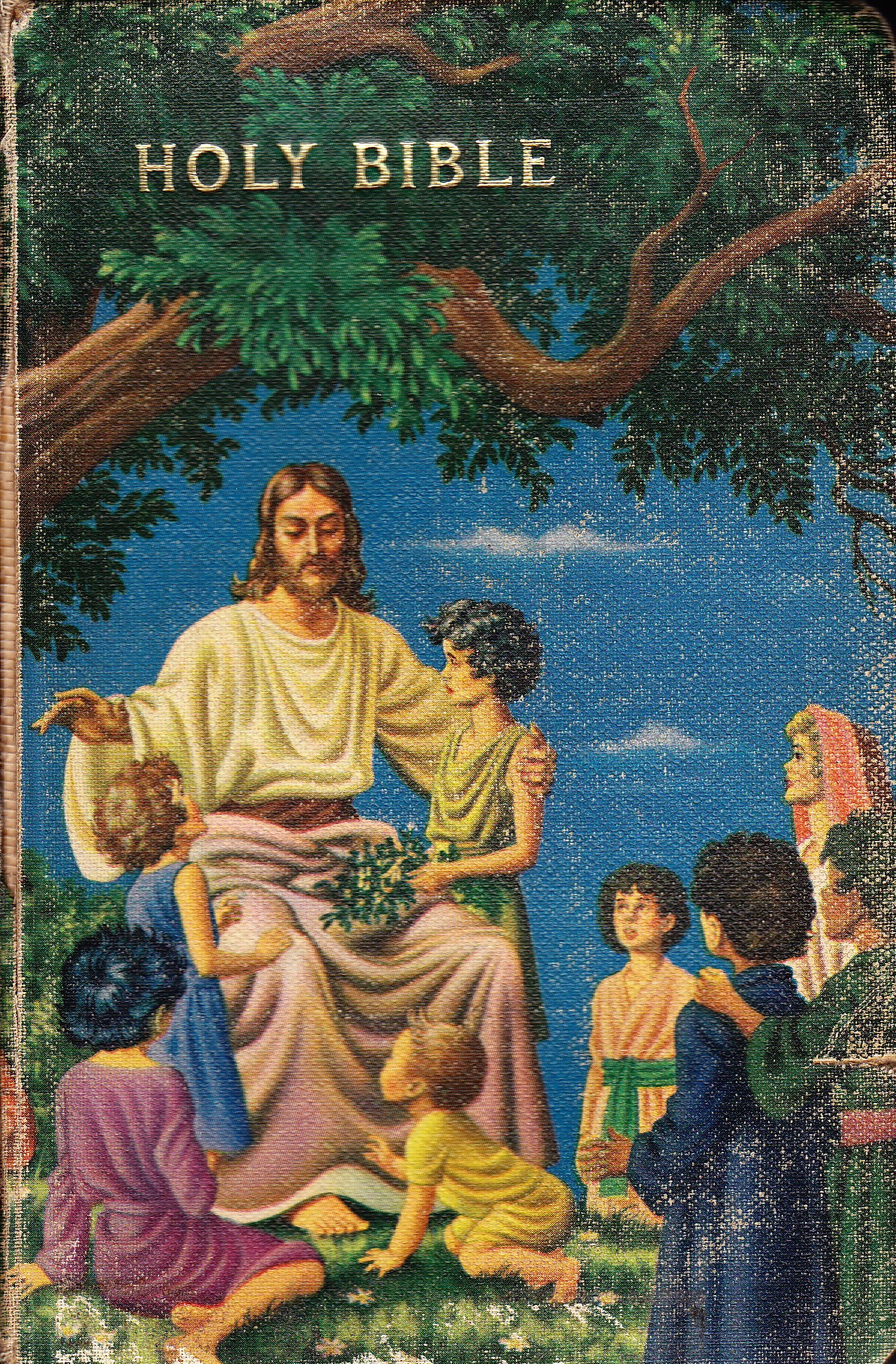
A bureau of vital statistics
 Steve A. Wiggins
3 thoughts on “Vital Statistics”