
One of the (many) oddities of the publishing business is that nobody really seems to know the exact number of copies a book has sold. This may seem strange, but as Michael Castleman’s wonderful book The Untold Story of Books points out, there has always been a kind of antagonism between publishers and authors regarding who has earned what. In the early days of publishing authors pretty much had to pay to be published. These days royalties are specified in publishing contracts but tracing them accurately remains a fool’s errand. Ebooks are very easily pirated and many, if not most, are available for free on pirate websites. Some publishers themselves, depending on the software they use, may not have a precise number of how many sold. Trying to get a clear idea of how much reach your book has attained is well-nigh impossible.
Book publishers carefully guard sales figures. In the biz, we use a vendor known as BookScan to get point-of-sales figures for other publishers which, we all know, aren’t fully accurate. BookScan is run by Nielsen, the same company that does television ratings. How many people actually watched a specific television show? Nobody knows. Depends on how many people were in the room. And other factors. Was the TV on but nobody actually watching? Was it a public television? If so, how many people saw it? You get the idea. It may seem weird, but the book business also operates with such constraints. As an author, however, one gets curious.
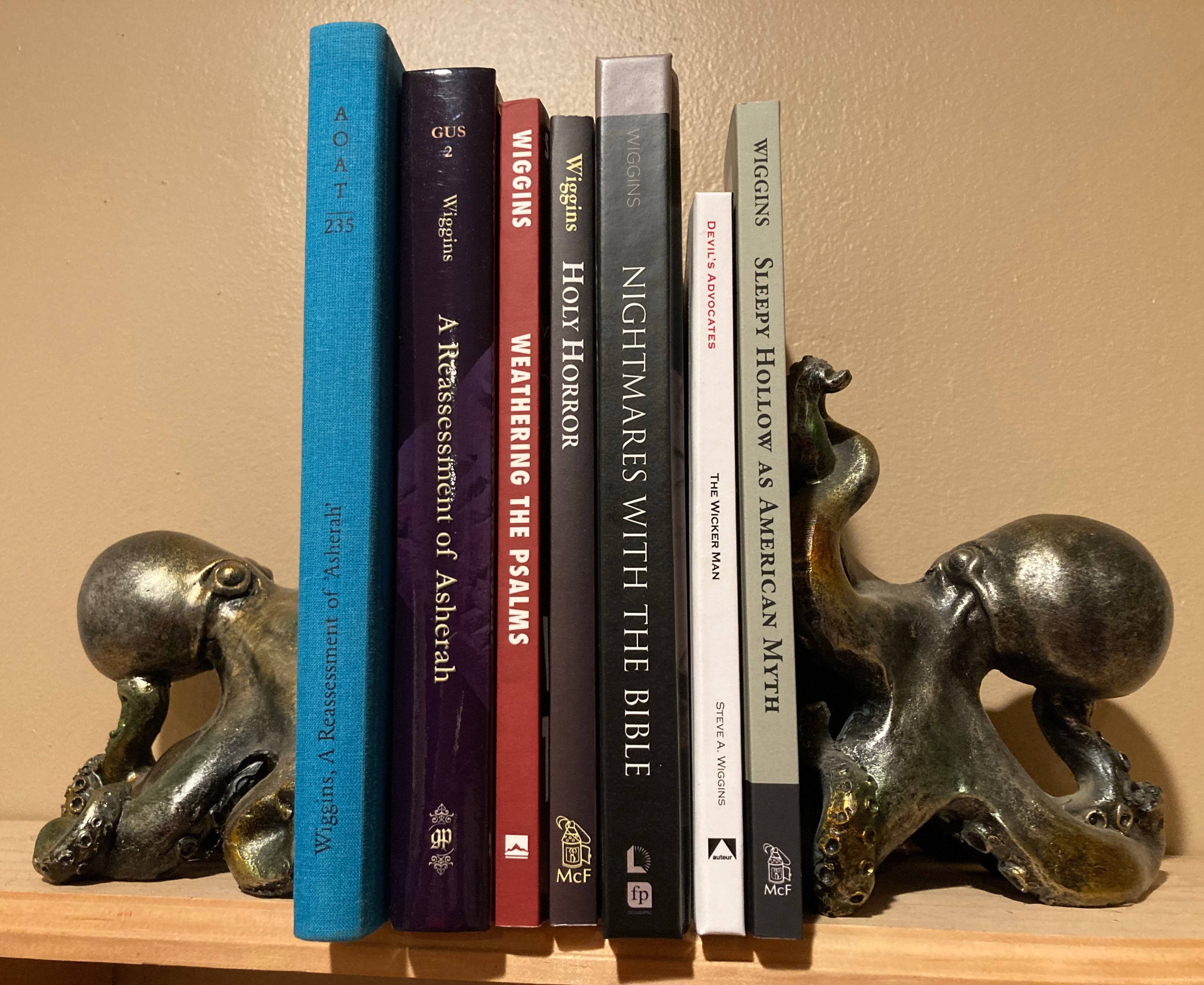
I’ve written six books that have been published. For my first book I have never in my life received a royalties statement. Ever. I never even had a contract for it. For my second book, I get regular royalties statements but they don’t include lifetime totals. The same is true for my fourth and fifth books. Statements, sometimes irregular, only grudgingly cite the number of copies sold since the last statement. If it ever arrived. The publisher for books three and six does actually say directly how many copies of the book sold on their royalties statements. Gold star!
This may seem unbelievable, but it is true. It’s difficult to imagine it, but businesses don’t always know what assets, in physical form, they actually have. In the case of publishing, ebooks complicated an already tenuous process of counting how many copies of a book have been sold, let alone read. I do get curious and even occasionally email publishers to try to get a sense of how many copies made it out the door. Each of my six darlings represents years of work. It’s only natural to wonder how well they’re doing out there in the world.

